
Categories
Industry Knowledge News Planning Advice

What actually is the Grey Belt?

What actually is the Grey Belt?

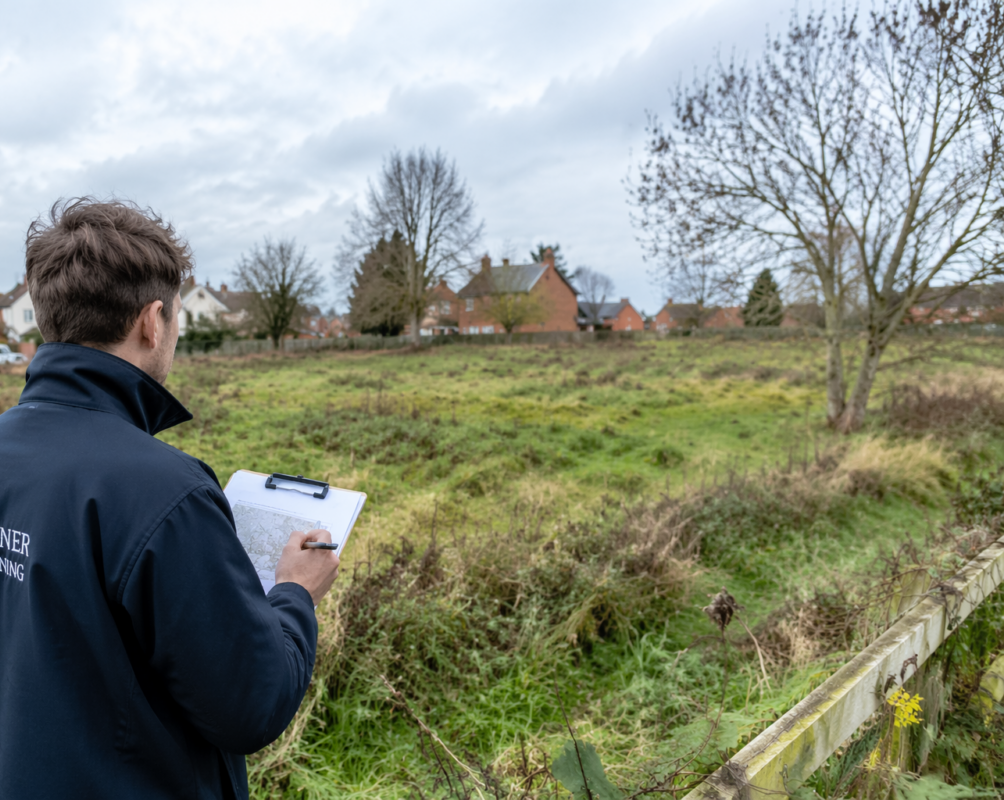
Since its formal introduction into the National Planning Policy Framework (NPPF), all everyone seems to be talking about is Grey Belt. So we though we would provide a bit of a breakdown to assist with what actually is the Grey Belt.
What is the definition of Grey Belt?

Firstly, Grey Belt is defined as land within the Green Belt which is either land that is previously developed or land which does not contribute strongly to the following purposes of the Green belt:

  • to check the unrestricted sprawl of large built-up areas.
  • to prevent neighbouring towns merging into one another.
  • to preserve the setting and special character of historic towns.

Additionally, the site needs to be sustainably located within accessible proximity to public transport or links to services and facilities, whilst also meeting an evidenced unmet need for the type of development being proposed.
What is meant by the 'Golden Rules'?

Applications for major development, have the additional option of meeting the ‘Golden Rules’, which if met means the scheme is given significant weight in favour of the proposal, with these further rules as follows:

  • Affordable housing being 15 percentage points above the highest existing affordable housing requirement which would otherwise apply to the development, subject to a cap of 50%.
  • Necessary improvements to local or national infrastructure.
  • The provision of new, or improvements to existing, green spaces that are accessible to the public. New residents should be able to access good quality green spaces within a short walk of their home, whether through onsite provision or through access to offsite spaces. 

The new NPPF has removed the footnote 7 restrictions to the Grey Belt definition.

Given the above, we have been working on several Grey Belt projects, with one located in Basildon, Essex which we recently got permission for by justifying that the development did not strongly contribute to the purposes of the Green Belt and it was located in a sustainable location, whilst meeting the housing need at a time when the Council could not demonstrate a five year housing land supply.
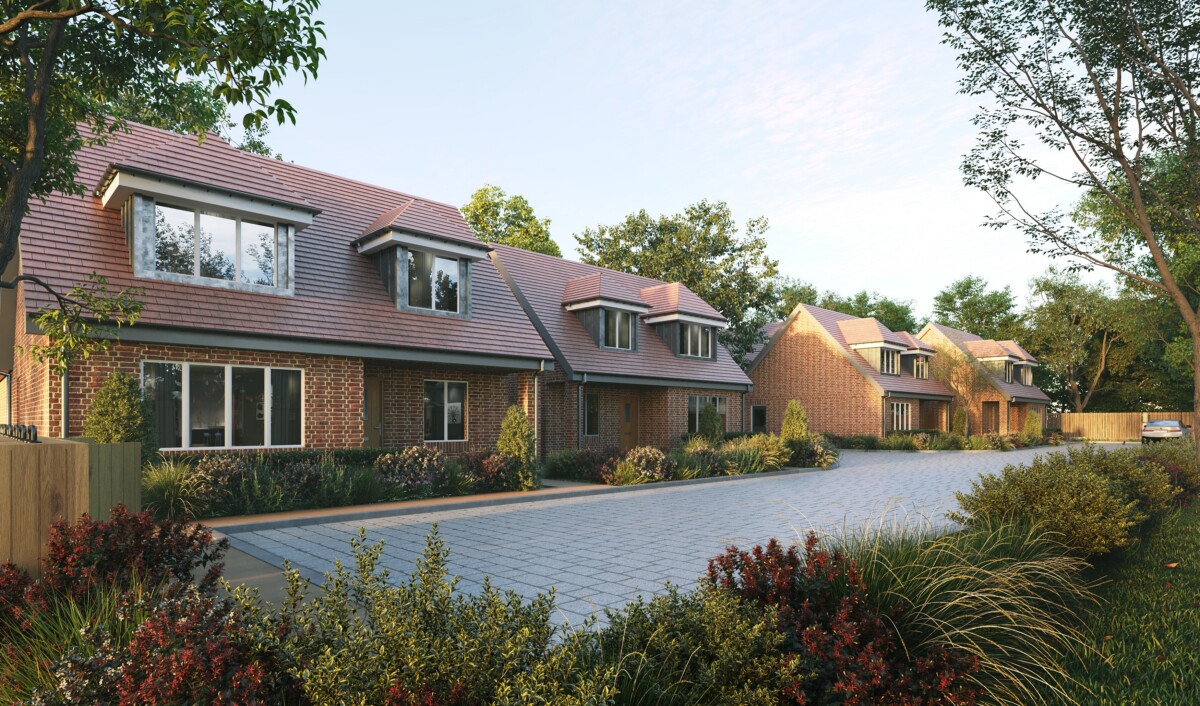
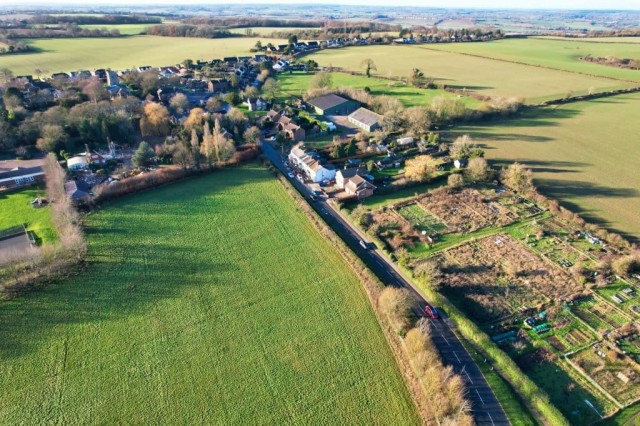
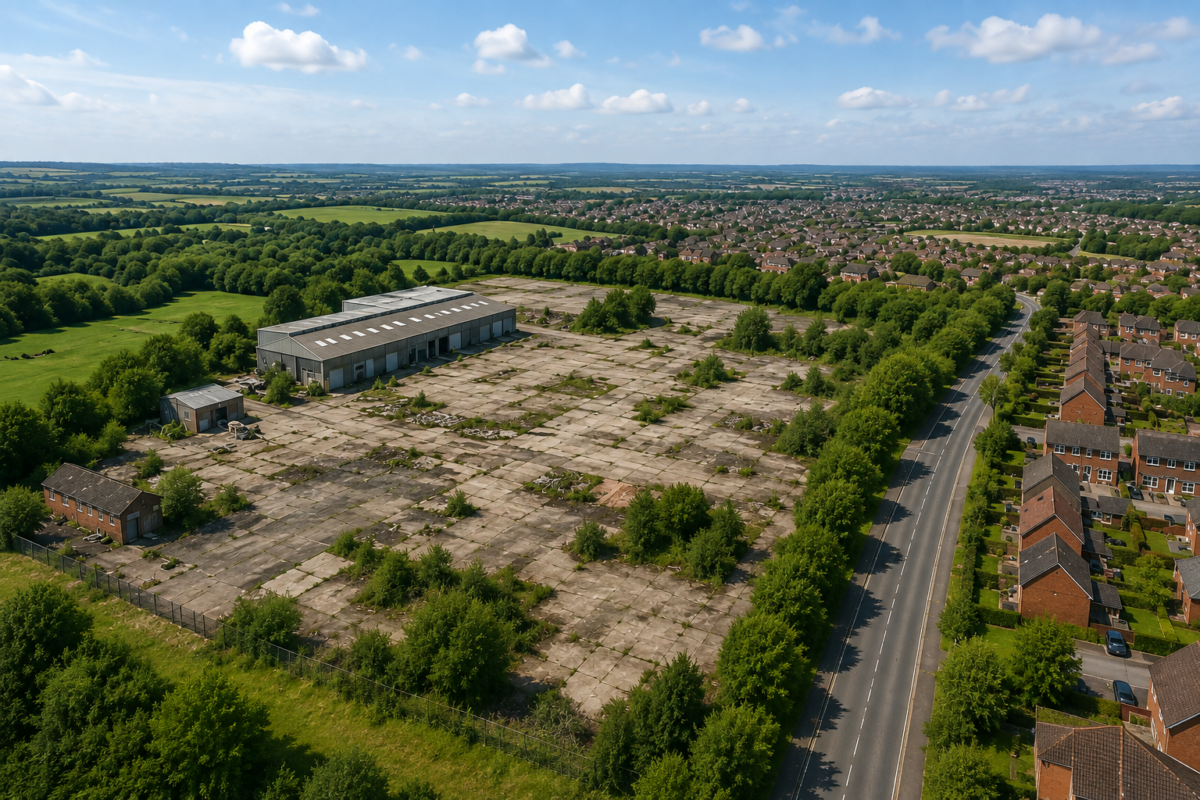
Grey Belt Site, Essex – Warner Planning

Get in touch!

If you have land in the Green Belt, and would like to discuss with us whether it can be considered Grey Belt, please get in touch with the team, and we would be happy to see whether the site has potential.

How to get in touch…

Having a consultant involved in your project, is a great way to reduce the risk of errors and it can drastically speed up the timeline for achieving planning permission.

If you think you need support with your project, we’d be happy to help.

You can contact us directly via the details below, or if you would prefer, you can fill in the form below and one of the team will be in touch.

T: 01908 592580
E: info@warnerplanning.co.uk

Recent Posts

What actually is the Grey Belt?

Since its formal introduction into the National Planning Policy Framework (NPPF), all everyone seems to be talking about is Grey Belt. So we though we would provide a bit of a breakdown to assist with what actually is the Grey Belt.

Roald Dahl Day!

To celebrate Roald Dahl Day we wondered what sort of planning permission would be needed for some of the places that Roald created in his books?

Back British Farming – A spotlight on Agricultural Planning Applications

At a time when the difficulties facing British Farming are very much in the spotlight, here at Warner Planning we help farmers and landowners navigate a range of rural planning opportunities, such as new or replacement agricultural buildings, farm diversification, barn conversions, renewable energy and rural tourism.

Categories
Industry Knowledge News Planning Advice

Back British Farming – A spotlight on Agricultural Planning Applications

Back British Farming – A spotlight on Agricultural Planning Applications

Back British Farming Day is celebrated on the 10th of September every year and celebrates the vital role farmers play in supporting our countryside, communities and economy.

At a time when the difficulties facing British Farming are very much in the spotlight, here at Warner Planning we help farmers and landowners navigate a range of rural planning opportunities, such as new or replacement agricultural buildings, farm diversification, barn conversions, renewable energy and rural tourism.
Whilst we have many examples of how planning can support rural businesses, here’s a few recent examples of rural projects Warner Planning has been successful in securing permission for.

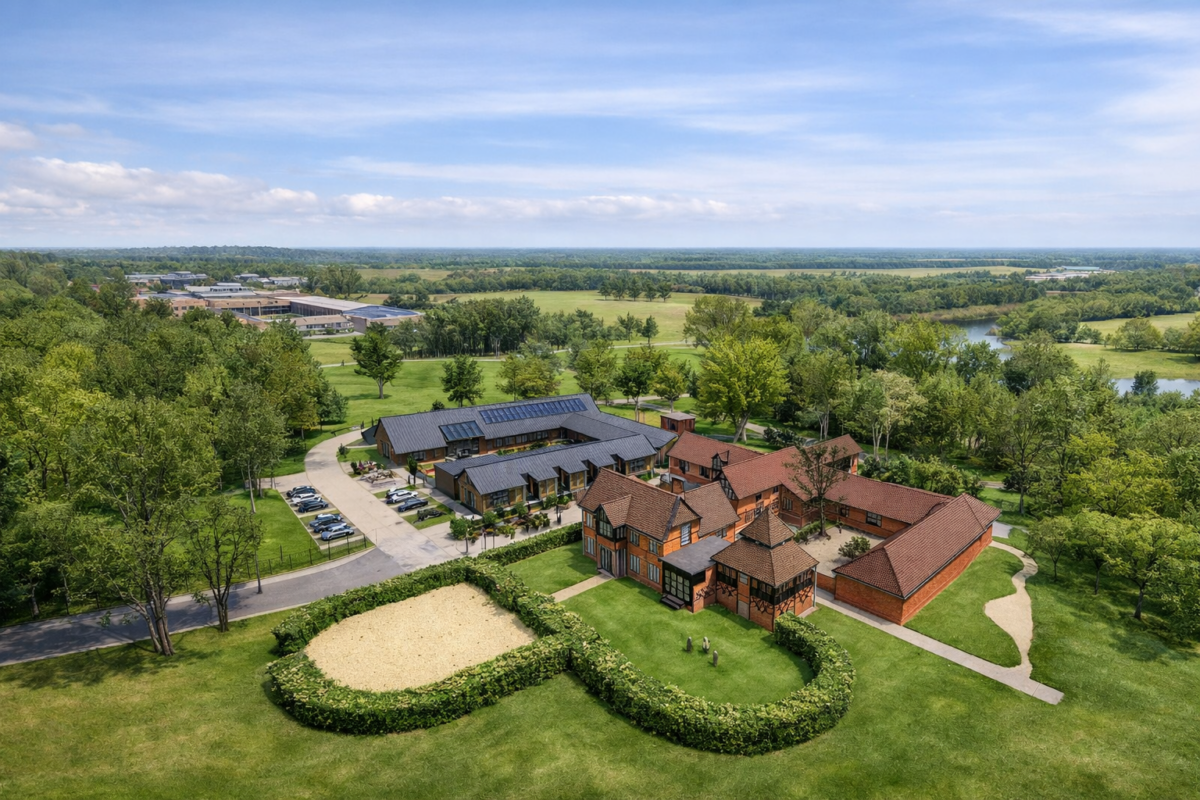
Diversification - Aldenham Estate

Warner Planning successfully obtained full planning permission for this former farmstead in rural Hertfordshire, to demolish some of the existing buildings on site and erect a new office hub as well as extending and altering an exiting building to convert it into an office space, café and function room.

We have since been appointed to submit the discharge of conditions applications for the site. 

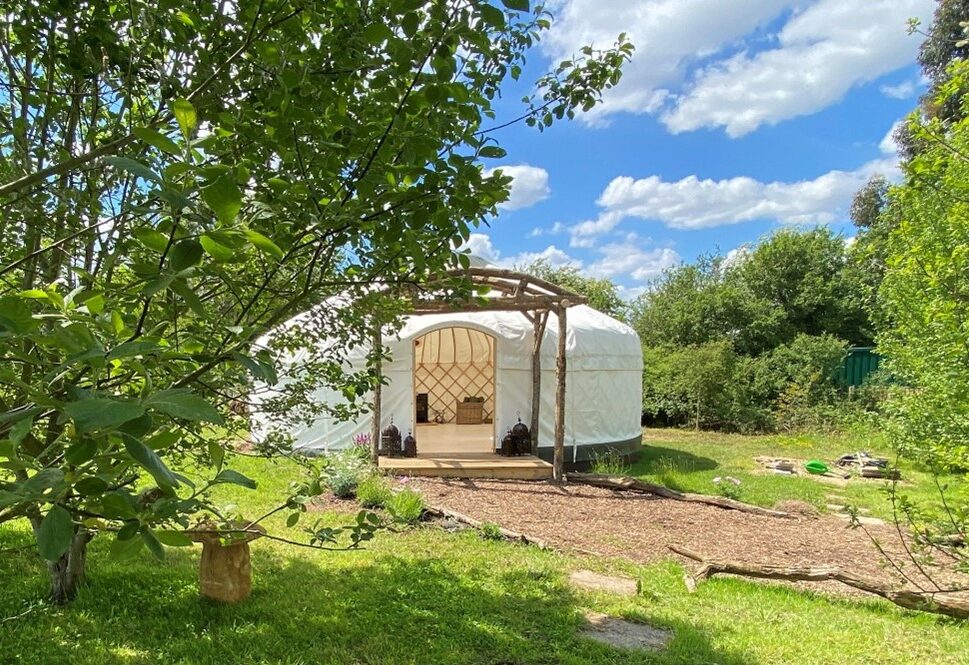
Leisure - Home Farm Yoga Tent

Warner Planning originally obtained permission for the erection of a Yoga Tent for a temporary period of two years at a Glamping site situated within the Green Belt in rural Hertfordshire.

This was followed by a new successful submission for an additional period of 5 years. 

Barn Conversions - Hartlebury Manor Stables

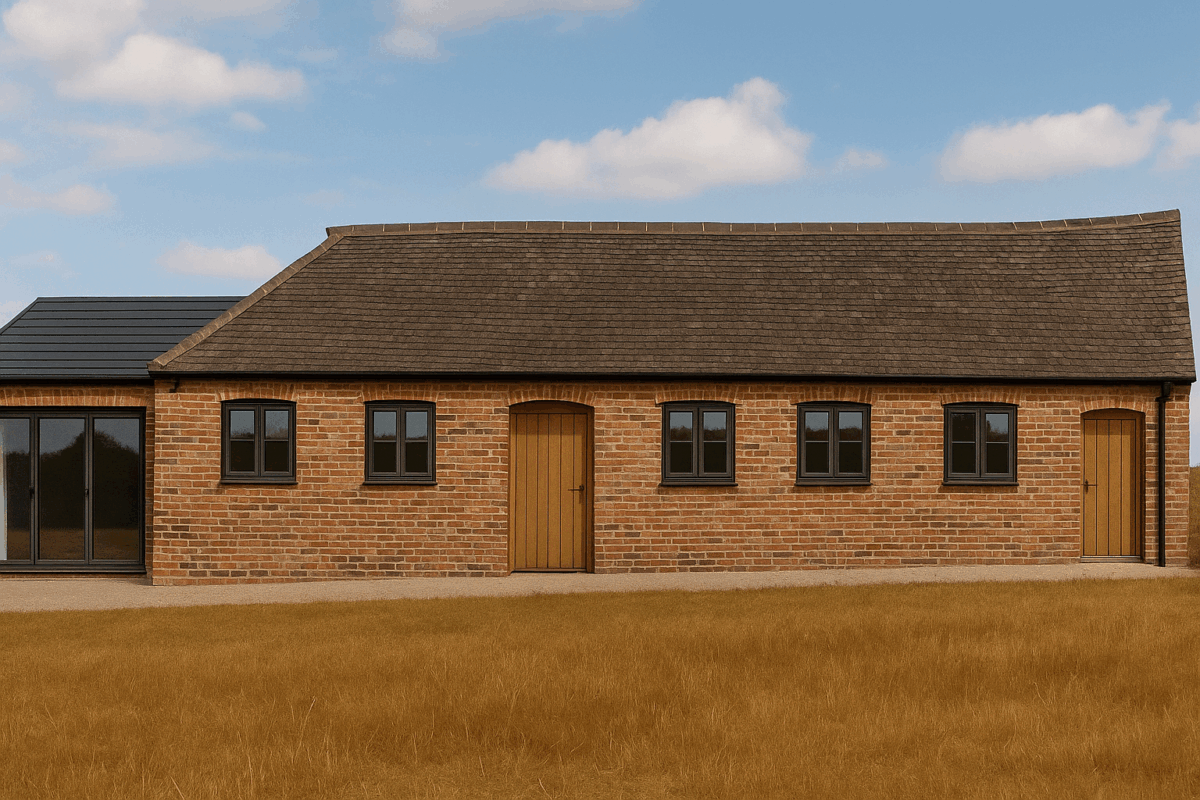
Warner Planning successfully achieved permission for the conversion of the the existing disused barns situated within the Green Belt in Worcestershire into three residential dwellings with associated outbuildings, parking and landscaping.

Barn and Silo Conversion - Saunderton Lee

Warner Planning successfully submitted a planning application to Buckinghamshire Council for the conversion of a former agricultural barn and silo situated within the Green Belt and create 3 x 4-bed houses.

Replacement Barn - Marsh Hill Farm

Warner Planning successfully achieved permission for the construction of a replacement commercial barn with associated parking, EV charging points and cycle store on the site of a former barn which had previously been lost to a fire.

Barn Extension and Diversification - Buckinghamshire

Warner Planning successfully achieved permission for change of use and an extension to an existing agricultural building on a farm in Buckinghamshire to allow for B2 use class and diversification of the activities on the farm. 

Get in touch!

Every rural site is unique, and early planning advice can help identify opportunities and overcome potential planning challenges. Please do get in touch if you need our help!

Header photo: Back British Farming Day – NFUonline

How to get in touch…

Having a consultant involved in your project, is a great way to reduce the risk of errors and it can drastically speed up the timeline for achieving planning permission.

If you think you need support with your project, we’d be happy to help.

You can contact us directly via the details below, or if you would prefer, you can fill in the form below and one of the team will be in touch.

T: 01908 592580
E: info@warnerplanning.co.uk

Recent Posts

Planning Myth “You Cannot Develop on the Green Belt”

A long standing planning myth is that once an area is designated as Green Belt, that it cannot then be developed and whilst there may be more restrictions on what can be done, there are still opportunities for certain sites in the Green Belt.

Back to School? A lesson in S106 Agreements!

Planning applications might not be the first thing you relate to schools, but they are strongly linked, particularly with residential development where families with children might be moving into a new area. As part of the planning process developers and applicants are often required to make financial contributions towards various services, infrastructure and facilities.

Categories
Industry Knowledge News Planning Advice

Can I apply for Retrospective Planning Permission?

Can I apply for Retrospective Planning Permission?

As discussed in our earlier article on planning enforcement, carrying out development without the required permissions can lead to enforcement action. Planning rules and permitted development rights can be complex, and the system is continually evolving, so it is understandable that homeowners and property owners may sometimes be unsure about whether permission is required. A retrospective application can therefore provide an option where work has already been carried out because the planning requirements were misunderstood or overlooked.

What is a retrospective application?

A retrospective application is considered in broadly the same way as an application made before development takes place. The Council will assess the development against relevant planning policies and other material considerations, and there is no guarantee that retrospective permission will be granted. The fact that the development has already been completed does not mean that it will automatically be accepted.

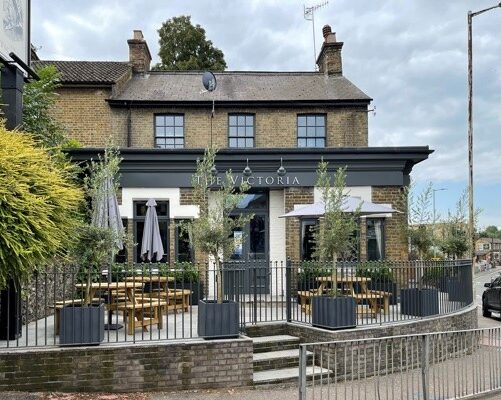
The Victoria Pub in Watford

It is important to remember that applying retrospectively can carry additional risks. If the Council considers that the development is unacceptable and permission is refused, enforcement action may follow. In some circumstances, this could ultimately require alterations to, or the removal of the development.

For this reason, we would always recommend checking whether planning permission is required before starting any work. Where development has already taken place, obtaining early professional advice can help establish the available options, including whether a retrospective application is appropriate or whether another route may be available.

How can Warner Planning help?

If you are unsure whether planning permission was required for work that has already been carried out, we can review the circumstances and advise you on the most appropriate next steps.

How to get in touch…

Having a consultant involved in your project, is a great way to reduce the risk of errors and it can drastically speed up the timeline for achieving planning permission.

If you think you need support with your project, we’d be happy to help.

You can contact us directly via the details below, or if you would prefer, you can fill in the form below and one of the team will be in touch.

T: 01908 592580
E: info@warnerplanning.co.uk

Recent Posts

Bedford Borough Call for Sites 2026

The preparation of the new “Bedford Borough Local Plan 2050” is now underway. The new plan will establish a long-term vision for the Borough, identifying where new homes, employment opportunities, infrastructure and green spaces will be delivered over the next 25 years.

Categories
Industry Knowledge News

Planning Myth “You Cannot Develop on the Green Belt”

Planning Myth “You Cannot Develop on the Green Belt”

A long standing planning myth is that once an area is designated as Green Belt, that it cannot then be developed and whilst there may be more restrictions on what can be done, there are still opportunities for certain sites in the Green Belt.

urbanistarchitecture.co.uk

Development within the Green Belt is inherently considered as an inappropriate form of development, however, the following exemptions provide a non-exhaustive list of some that apply and we come across on a regular basis at Warner Planning:

  • Development or buildings which would support a use for agriculture and forestry.
  • Extending, altering, reusing or replacing an existing building, subject to this not resulting in disproportionate additions over and above the size of the original building. A replacement building must be for the same use and not materially larger than the original building. 
  • Limited residential infilling in villages, which basically fills in gaps in the built form within settlements, but typically the plot would need to be well contained/encompassed by development to be deemed acceptable.
  • Provision of affordable housing for identified local community needs under policies set out in the development plan (including policies for rural exception sites).
  • The partial or complete redevelopment of previously developed land (including a material change of use to residential or mixed use including residential), whether redundant or in continuing use (excluding temporary buildings), which would not cause substantial harm to the openness of the Green Belt.
  • A newer form of exemption for consideration would be Grey Belt, where the development is meeting an unmet need, is sustainably located and does not fundamentally undermine the Green Belt purposes (a, b & d).

Additionally, major development which provides 50% affordable housing, can be provided significant weight in the balancing exercise.

Very Special Circumstances

In addition to the above, where development is deemed as inappropriate and would result in harm to the Green Belt, this can still be approved if ‘Very Special Circumstances’ can be justified and any perceived harm is outweighed by the benefits. We would add that the bar for what justifies as VSC is very high and typically this would involve a collection of aspects rather than just a singular point. Some examples would be catering to a known need (housing, play space, community facility) or providing over and above the 10% BNG requirement.

Looking at some recent examples of the projects we have been working on at Warner Planning, we have recently got permission for the change of use of an existing Listed Building in Three Rivers District Council, which this being permissible under the previously developed land exemption and enabled a vacant historic building to be brought back into use after years of neglect. We have also managed to gain permission in Essex for a four unit scheme on a piece of land which was within the residential curtilage of an adjoining property, and this was approved on the basis of Grey Belt, although an argument could be put together that this also constituted as limited infilling.

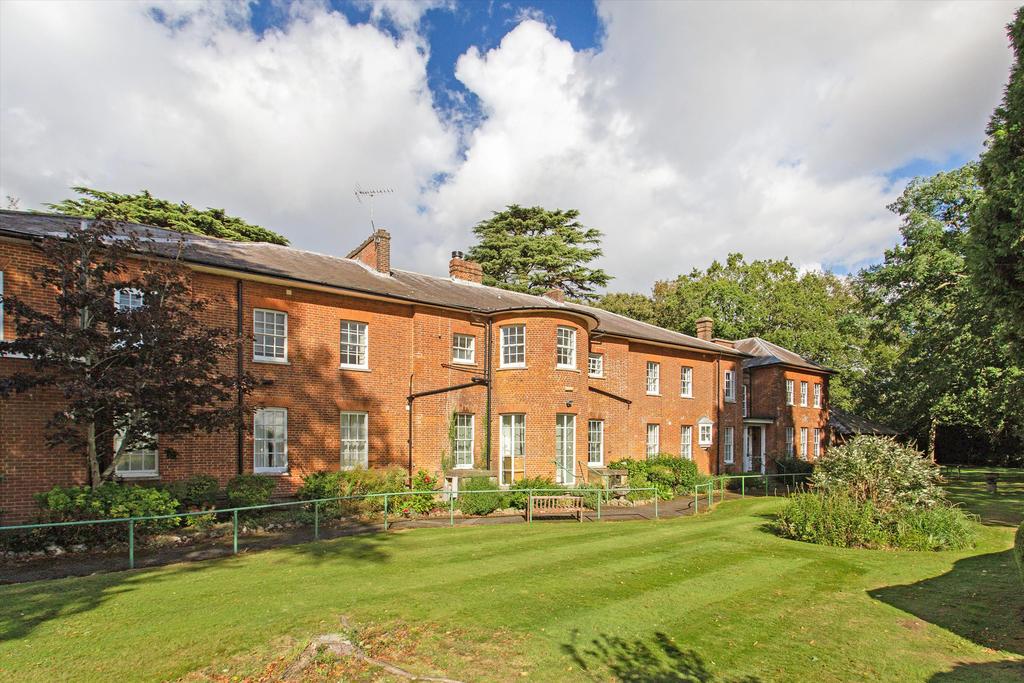
Croxley House - onthemarket.co.uk

As such Warner Planning has extensive experience in navigating the complexities of Green Belt sites and the additional challenges they face. So if you have any queries about the Green Belt or would like to discuss a site with us, we would be more than happy to chat this through with you and the potential your site has moving forward.

How to get in touch…

Having a consultant involved in your project, is a great way to reduce the risk of errors and it can drastically speed up the timeline for achieving planning permission.

If you think you need support with your project, we’d be happy to help.

You can contact us directly via the details below, or if you would prefer, you can fill in the form below and one of the team will be in touch.

T: 01908 592580
E: info@warnerplanning.co.uk

Recent Posts

World Population Day 2026

Planning is at the forefront of increasing population growth with placemaking and place-shaping through strategic planning decisions which must carefully balance existing and future needs and resources.

Categories
Industry Knowledge News Planning Advice

Back to School? A lesson in S106 Agreements!

Back to School? A lesson in S106 Agreements!

As the summer holidays are in full swing and any of you with children will be trying to juggle work, childcare and the endless requests for ‘can I have another snack please?’ you may not be thinking too much about the empty school buildings and teachers who are currently enjoying the peace and quiet!

Planning applications might not be the first thing you relate to schools, but they are strongly linked, particularly with residential development where families with children might be moving into a new area. As part of the planning process developers and applicants are often required to make financial contributions towards various services, infrastructure and facilities.

These contributions are calculated depending on the scale and type of development and need to be justified by the Council as being appropriate for the proposal. The amounts will vary and will be tailored to the project. The final sums will be secured by a signed Legal Agreement (usually referred to as a Section 106 Agreement or S106) and these contributions ensure that local improvements can be delivered to support the proposal. Examples of contributions can include money towards the following, but these would not apply to all applications:

  • Local healthcare provision for additional capacity.
  • Local ambulance service.
  • Library services.
  • Public art and museums.
  • Highway improvement works including footpaths.
  • Public transport upgrade and provision.
  • Learning and skills training.
  • Affordable housing (if not being delivered on-site).
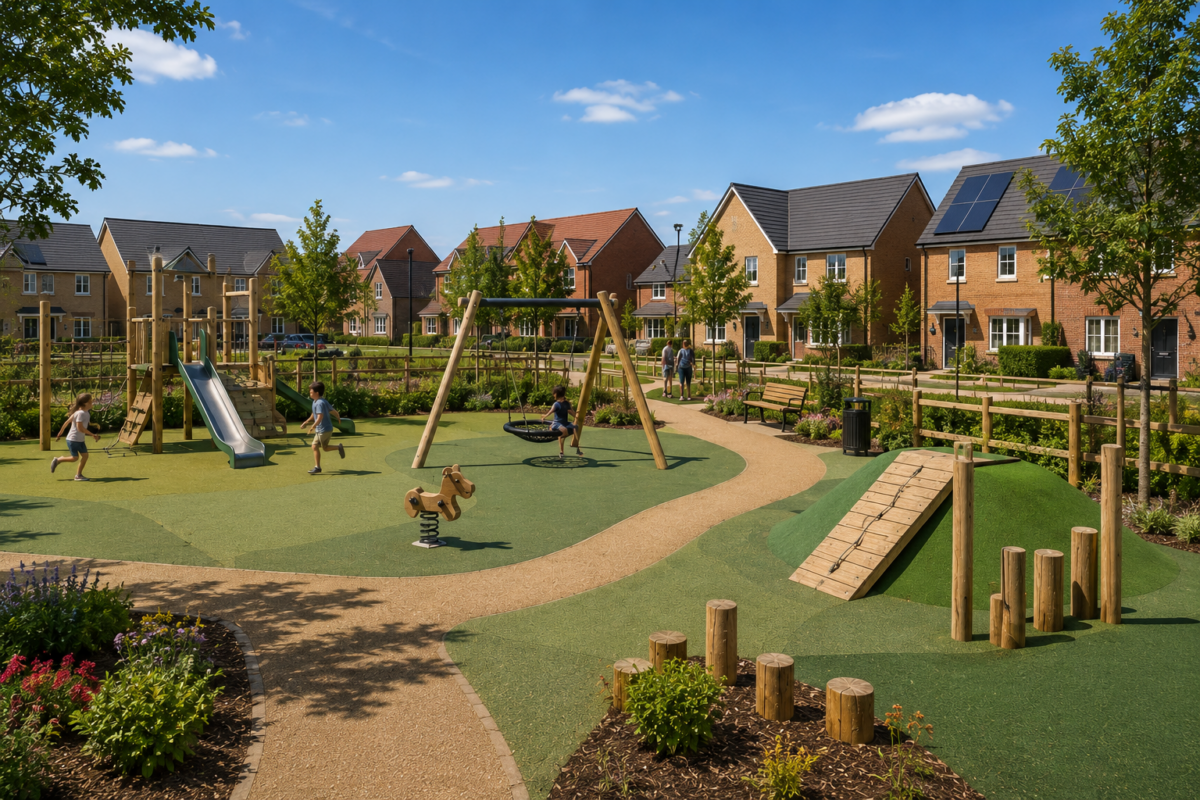
  • Local play areas and leisure facilities.
  • School upgrade and extensions to increase capacity.
  • Public open space enhancements.
  • Biodiversity enhancements.
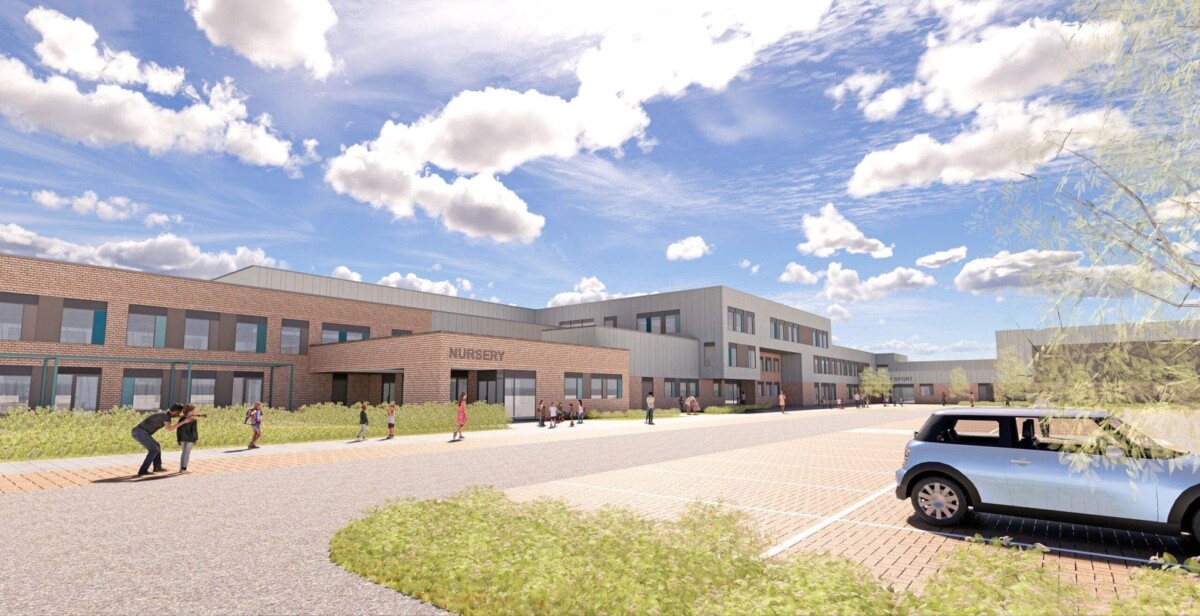
A new school in Milton Keynes

If you see improvement projects happening in your local area it is possible that these might have been funded by a developer as part of a planning consent. Councils are required to consider applications in the context of contributions, and these can help to overcome any elements of a scheme which might not quite deliver all that is required to make it acceptable. The benefits that these contributions deliver are significant and help to bring improvements to many different aspects of your community. Developers have to include S106 contributions in their financial planning as it can form a large part of their overall project budget.

The S106 process ensures that new development (including commercial projects) will deliver the necessary infrastructure improvements to ensure that the additional demands on services are provided.

Warner Planning supports clients by proactively monitoring obligations contained within S106 Agreements, including pre-commencement requirements, and seeking their timely discharge as development progresses.

So, while your child’s school is having a deep clean over the holidays ready for a new school term in September you might see new classrooms, new teachers joining and new facilities and these might have been funded by developer contributions.

Everyday is a school day!

How to get in touch…

Having a consultant involved in your project, is a great way to reduce the risk of errors and it can drastically speed up the timeline for achieving planning permission.

If you think you need support with your project, we’d be happy to help.

You can contact us directly via the details below, or if you would prefer, you can fill in the form below and one of the team will be in touch.

T: 01908 592580
E: info@warnerplanning.co.uk

Recent Posts

What does and doesn’t count as an Annexe?

With property prices, care home costs and private renting all leading to many people struggling to afford the accommodation that they need there are families seeking a route which might be a solution. Annexes can be a great way to allow extended family members to live together, and this is popular for inter-generational living of all ages.

Categories
Industry Knowledge News Planning Advice

BNG Rules Update 2026

BNG Rules Update 2026

The Government has confirmed changes to Biodiversity Net Gain requirements

After months of speculation following the first indications of potential changes late last year, the Government has now confirmed amendments to the Biodiversity Net Gain (BNG) requirements.

The changes are intended to provide greater clarity and remove some of the uncertainty surrounding the application of BNG to smaller and shorter-term development proposals.

So what are the changes?

The amendments will take effect from 6 August 2026, provided that the development site does not contain priority habitat.

From this date:

Developments of 0.2 hectares or less will be exempt

Small development sites measuring 0.2 hectares or less will be exempt from the mandatory BNG requirements.

Short-term developments will be exempt

Short-term developments will also be exempt, provided that the planning permission relates to the whole site and the permission is granted for a period of less than five years.

Self-build and custom-build developments will no longer have a specific exemption

Self-build and custom-build developments will no longer benefit from a specific exemption from BNG.

However, the Government’s position is that these developments will typically fall within the new 0.2-hectare exemption, meaning that many smaller self-build and custom-build schemes may still not be subject to the mandatory BNG requirement.

What does this mean for developers and landowners?

While the amendments may appear relatively limited, they provide welcome clarity for those bringing forward smaller or short-term development proposals.

Greater certainty around when BNG requirements apply should help reduce uncertainty during the planning application process, support more consistent decision-making by Local Planning Authorities and, importantly, potentially help unlock more suitable development opportunities.

Get in touch!

If you are considering a development proposal and would like to understand how the changes to BNG may affect your site, please get in touch with Warner Planning to explore how we can assist.  

How to get in touch…

Having a consultant involved in your project, is a great way to reduce the risk of errors and it can drastically speed up the timeline for achieving planning permission.

If you think you need support with your project, we’d be happy to help.

You can contact us directly via the details below, or if you would prefer, you can fill in the form below and one of the team will be in touch.

T: 01908 592580
E: info@warnerplanning.co.uk

Recent Posts

What are the benefits of a Pre-Application in 2026?

You might be wondering whether you should first submit a Pre-Application or to go straight in to the Council with a full Planning Application. Katy has been breaking down the benefits of a Pre-Application to help you decide.

Categories
Industry Knowledge News

The Most Fascinating Finds Made During Planning Applications

The Most Fascinating Finds Made During Planning Applications

When people think about planning applications, they often think of drawings, policies and consultations. However, planning can also play a crucial role in uncovering and protecting Britain's hidden heritage.

Before many developments can proceed, archaeological assessments may be required to establish whether a site contains remains of historical significance. Over the years, this process has led to the discovery of extraordinary archaeological finds that have transformed our understanding of Britain's past.

How Planning Helps Discover History

The planning system requires local planning authorities to consider the impact of development on heritage assets, including archaeological remains.
Where a site has archaeological potential, applicants may be required to undertake:
• Desk-based assessments
• Geophysical surveys
• Trial trenching
• Archaeological excavations
While these investigations can sometimes be viewed as an additional step in the planning process, they regularly uncover evidence of past communities that would otherwise remain hidden forever.

Remarkable Discoveries Made Through Development

Anglo-Saxon Cemetery Found Before Housing Development
Ahead of residential development projects across England, archaeologists have uncovered previously unknown Anglo-Saxon burial grounds containing jewellery, weapons and personal possessions. These discoveries have provided valuable insights into how communities lived and commemorated their dead more than 1,500 years ago.

Roman Settlements Beneath Modern Fields
Numerous housing and commercial developments have revealed extensive Roman settlements, villas and road networks. In some cases, entire communities complete with workshops, homes and burial grounds have been identified during pre-construction investigations.

These discoveries help historians better understand the spread of Roman Britain and how people lived outside major towns.

Major Discoveries During HS2
The archaeological work undertaken in advance of the construction of HS2 has uncovered thousands of archaeological features spanning more than 6,000 years of history.
Finds have included:
• Prehistoric ceremonial monuments
• Roman settlements
• Medieval villages
• Ancient burial sites
• Evidence of early industrial activity
Many of these discoveries would likely never have been investigated without the development project.

One of the world's oldest railway roundhouses uncovered during the HS2 development

Medieval Villages Lost to Time
Planning-led excavations have revealed entire medieval settlements that disappeared centuries ago. Archaeologists have uncovered house foundations, streets, workshops and everyday objects, helping to recreate how people lived in medieval Britain.

Archaeological Discoveries Uncovered Through Development in Milton Keynes and Buckinghamshire

One of the best recent examples occurred in Olney, where archaeological investigations undertaken ahead of a proposed supermarket development uncovered a remarkably well-preserved Roman mosaic. Archaeologists also found evidence of a Roman villa, bath house and associated structures. Following the discovery, the development proposals were amended to help protect the remains.

MK Citizen: Developers unearth 'intricate' Roman mosaic at proposed Aldi site in Milton Keynes

Recent archaeological work associated with the expansion of Milton Keynes East has revealed extensive Iron Age and early Roman settlement activity, adding to the growing picture of how the area was occupied long before the New Town existed. These discoveries have been showcased through local archaeology events organised by the City Council.

Borderarchaeology.com

Balancing Development and Heritage

A common misconception is that archaeology prevents development from taking place. In reality, the planning system aims to balance the need for growth with the protection and recording of heritage assets.

Most archaeological discoveries do not stop development. Instead, they are carefully investigated, recorded and preserved where appropriate before construction continues.

This approach ensures that important historical information is not lost while still allowing new homes, infrastructure and employment opportunities to be delivered.

Conclusion

Every planning application has the potential to uncover a forgotten chapter of Britain’s history. From Roman settlements and Anglo-Saxon cemeteries to medieval villages and prehistoric monuments, some of our most fascinating archaeological discoveries have come about because development prompted archaeologists to investigate what lay beneath the surface.

The next time you see a housing development or major infrastructure project being built, it is worth remembering that the planning process may have already helped uncover centuries, or even millennia, of hidden history beneath the ground.

One of the best-preserved gardens ever discovered in this country was found during HS2 development excavations in Warwickshire

How to get in touch…

Having a consultant involved in your project, is a great way to reduce the risk of errors and it can drastically speed up the timeline for achieving planning permission.

If you think you need support with your project, we’d be happy to help.

You can contact us directly via the details below, or if you would prefer, you can fill in the form below and one of the team will be in touch.

T: 01908 592580
E: info@warnerplanning.co.uk

Recent Posts

Categories
Industry Knowledge News

Bedford Borough Call for Sites 2026

Bedford Borough Call for Sites 2026

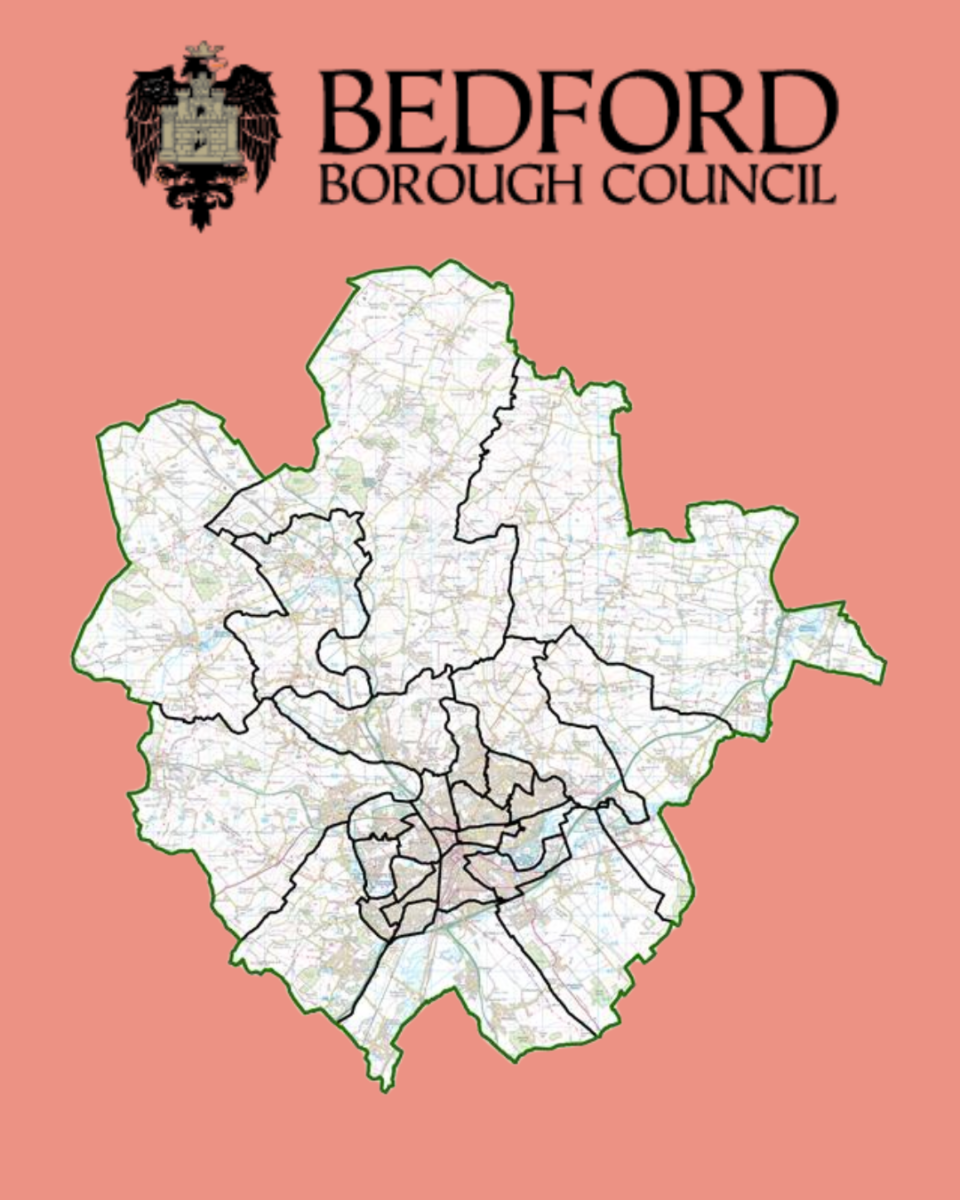
New Bedford Borough Council Local Plan 2050

The preparation of the new “Bedford Borough Local Plan 2050” is now underway. The new plan will establish a long-term vision for the Borough, identifying where new homes, employment opportunities, infrastructure and green spaces will be delivered over the next 25 years.

As part of the first stage of the plan-making process, Bedford Borough Council is inviting submissions through its Call for Sites process and early engagement consultation, which will run until October 2026. This presents a valuable opportunity for landowners, developers, businesses, community groups and residents to help shape the emerging strategy by promoting sites and sharing their views before decisions are made.

If you have land to promote, development propositions to discuss, or simply want to influence the future growth of Bedford Borough, now is the time to get involved.

If you would like advice on the consultation process, promoting a site or preparing representations, please do get in touch with our team on info@warnerplanning.co.uk, we’d be happy to help.

How to get in touch…

You can contact us directly via the details below, or if you would prefer, you can fill in the form below and one of the team will be in touch.

T: 01908 592580
E: info@warnerplanning.co.uk

Recent Posts

Categories
Industry Knowledge News

World Population Day 2026

World Population Day 2026

This year World Population Day is celebrated across the world on the 11th of July. This history of this special event stems from a United Nations Development Programme from 1989.
The key focus is to shine a light on key issues including sustainable development, gender equality, youth empowerment, reproductive health and education

The current levels of population continue to rise with a figure of 7 billion being reached in 2011 and projections citing a figure of 9 million by 2037. There are many factors leading to this increase not limited to:

  • Increase in life-expectancy through improved living conditions and healthcare.
  • Inaccessibility to reproductive education.
  • International migration.
  • Economic stability driving improved welfare standards and population growth.

To support the increasing population growth there needs to be a correlating increase in homes, infrastructure, services, provisions and employment to sustain these growing communities.

Planning is at the forefront of this with placemaking and place-shaping through strategic planning decisions which must carefully balance existing and future needs and resources.

Applications must consider additional demands on resources in addition to the benefits they bring. Local Planning Authorities will determine how any proposal will meet the ongoing needs of each community and in some instances, contributions will be sought to support additional demands. These can include amongst others sums payable towards education provision, highway improvements, healthcare, libraries, sports and leisure facilities and affordable housing. 

Spatial planning teams with local Councils will map out future development requirements for housing, employment and infrastructure. Targets are set for sufficient land to supply the calculated need for homes to ensure that there is a sufficient supply over a specified period (Five-Year Housing Land Supply). For Councils who are under-performing on their housing performance this can impact the way in which they receive applications so it can be a factor in the outcome

Housing Supply and Delivery.

https://worldpopulationclock.net/

As populations increase there is also awareness of environmental considerations and how carbon emissions must be reduced and construction must include technologies for energy efficiency.

Conclusion

As World Population Day highlights the increase in population over time and the socio-economic factors which influence this it is important to connect that planning and plan-making supports the ongoing need for careful management of resources, protection of the environment and future-proofing demands for people to live, study, work and enjoy happy, healthy lives in their communities.

If you have a project that you are considering please talk to us!

How to get in touch…

Having a consultant involved in your project, is a great way to reduce the risk of errors and it can drastically speed up the timeline for achieving planning permission.

If you think you need support with your project, we’d be happy to help.

You can contact us directly via the details below, or if you would prefer, you can fill in the form below and one of the team will be in touch.

T: 01908 592580
E: info@warnerplanning.co.uk

Recent Posts

Can I appeal a Planning Decision in 2026?

Having a Planning Consultant involved in your appeal gives you a much higher chance of success. Warner Planning have the knowledge, experience and ethos to assess if you have grounds for an appeal and provide your case with the best possible prospects.

Categories
Industry Knowledge News

Could Silverstone be built Today?

Could Silverstone be built Today?

Could Silverstone Be Built Today? The Planning Challenges Facing a Modern Motorsport Circuit

Each summer, hundreds of thousands of motorsport fans descend on Silverstone for the British Grand Prix. The iconic circuit has become synonymous with speed, innovation and British sporting success. But it raises an interesting planning question: if Silverstone were proposed today, would it secure planning permission?

The answer is likely yes, but the route to approval would be far more complex than when the circuit first emerged from a former RAF airfield in the late 1940s. Modern planning places a much greater emphasis on understanding and mitigating the impacts of development. A proposal for a major motorsport venue would need to navigate a number of significant planning considerations before a decision could be made.

Traffic and Transport Impacts

Perhaps the most obvious challenge would be accommodating the huge numbers of visitors attending events throughout the year.

A comprehensive Transport Assessment would be required to understand the impact on the surrounding highway network. This would consider vehicle movements, public transport options, pedestrian access, traffic management plans and sustainable travel opportunities. Local and National highway authorities would expect robust evidence demonstrating that the network could operate safely and efficiently during both event and non-event days.

Noise Impacts

Motorsport and noise go hand in hand, but modern planning policy requires decision-makers to carefully consider the effects on nearby residents.

Detailed acoustic assessments would be needed to establish existing baseline conditions, predict noise levels during events and identify appropriate mitigation measures. Restrictions on operating hours, limitations on certain activities and physical noise barriers could all form part of any planning approval.

Ecology and Biodiversity

Environmental considerations have become increasingly important within the planning process.

Ecological surveys would be required to identify protected species and habitats within and around the site. Under current legislation, developments are also expected to deliver Biodiversity Net Gain, meaning proposals must demonstrate measurable improvements to biodiversity rather than simply avoiding harm.

Biodiversity goes full throttle as Stowe Gardens and Silverstone Circuit announce joint campaign

Landscape and Visual Effects

A development of Silverstone’s scale would inevitably alter the character of the surrounding landscape.

Landscape and Visual Impact Assessments would consider how grandstands, hospitality facilities, lighting and supporting infrastructure would be perceived from surrounding viewpoints. Careful design and landscaping strategies would be essential to minimise adverse effects.

Flood Risk and Drainage

Large areas of hardstanding associated with circuits and car parks can increase surface water runoff.

A planning application would therefore require Flood Risk Assessments and sustainable drainage proposals to ensure that development does not increase flood risk elsewhere.

Air Quality and Climate Considerations

Increasingly, planning decisions must address wider environmental objectives.

Assessments would be required to examine air quality impacts arising from increased traffic, while applicants would also be expected to demonstrate how the development aligns with climate change policies through energy efficiency measures and sustainable design principles.

Economic Benefits

Silverstone contributes significantly to the regional economy, supporting employment, tourism and investment. Any contemporary proposal would place considerable emphasis on these socio-economic benefits, highlighting job creation, visitor spending and wider regeneration opportunities.

So, could Silverstone be built today?

The reality is that iconic developments such as Silverstone are unlikely to receive a simple “yes” or “no” answer. Instead, they would be subject to a rigorous planning process balancing environmental considerations, community impacts and economic benefits.

What this experiment illustrates is just how much the planning system has evolved. Today’s approach seeks not only to facilitate development but to ensure that it is sustainable, evidence-led and capable of delivering long-term benefits.

The next time you watch the cars line up on the grid at Silverstone, it may be worth considering that, in the modern planning system, securing permission might prove just as demanding as winning the race itself.

How to get in touch…

Having a consultant involved in your project, is a great way to reduce the risk of errors and it can drastically speed up the timeline for achieving planning permission.

If you think you need support with your project, we’d be happy to help.

You can contact us directly via the details below, or if you would prefer, you can fill in the form below and one of the team will be in touch.

T: 01908 592580
E: info@warnerplanning.co.uk

Recent Posts