

Planning Myth “You Cannot Develop on the Green Belt”

A long standing planning myth is that once an area is designated as Green Belt, that it cannot then be developed and whilst there may be more restrictions on what can be done, there are still opportunities for certain sites in the Green Belt.

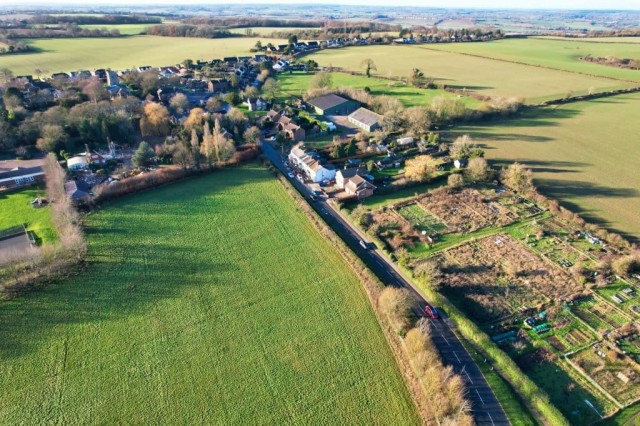
urbanistarchitecture.co.uk

Development within the Green Belt is inherently considered as an inappropriate form of development, however, the following exemptions provide a non-exhaustive list of some that apply and we come across on a regular basis at Warner Planning:

  • Development or buildings which would support a use for agriculture and forestry.
  • Extending, altering, reusing or replacing an existing building, subject to this not resulting in disproportionate additions over and above the size of the original building. A replacement building must be for the same use and not materially larger than the original building. 
  • Limited residential infilling in villages, which basically fills in gaps in the built form within settlements, but typically the plot would need to be well contained/encompassed by development to be deemed acceptable.
  • Provision of affordable housing for identified local community needs under policies set out in the development plan (including policies for rural exception sites).
  • The partial or complete redevelopment of previously developed land (including a material change of use to residential or mixed use including residential), whether redundant or in continuing use (excluding temporary buildings), which would not cause substantial harm to the openness of the Green Belt.
  • A newer form of exemption for consideration would be Grey Belt, where the development is meeting an unmet need, is sustainably located and does not fundamentally undermine the Green Belt purposes (a, b & d).

Additionally, major development which provides 50% affordable housing, can be provided significant weight in the balancing exercise.

Very Special Circumstances

In addition to the above, where development is deemed as inappropriate and would result in harm to the Green Belt, this can still be approved if ‘Very Special Circumstances’ can be justified and any perceived harm is outweighed by the benefits. We would add that the bar for what justifies as VSC is very high and typically this would involve a collection of aspects rather than just a singular point. Some examples would be catering to a known need (housing, play space, community facility) or providing over and above the 10% BNG requirement.

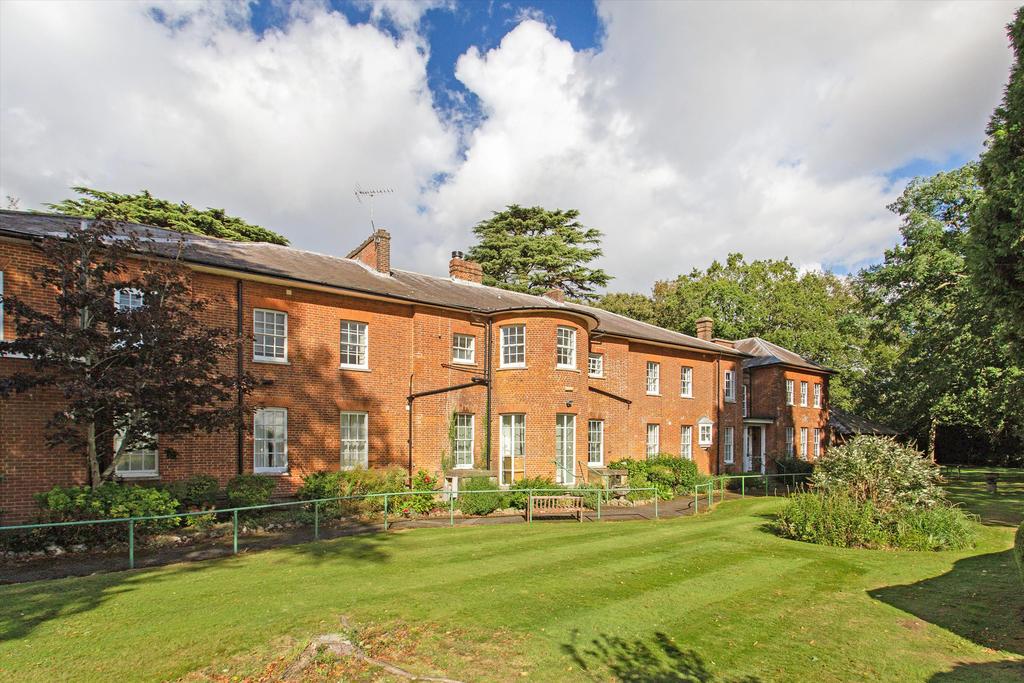
Looking at some recent examples of the projects we have been working on at Warner Planning, we have recently got permission for the change of use of an existing Listed Building in Three Rivers District Council, which this being permissible under the previously developed land exemption and enabled a vacant historic building to be brought back into use after years of neglect. We have also managed to gain permission in Essex for a four unit scheme on a piece of land which was within the residential curtilage of an adjoining property, and this was approved on the basis of Grey Belt, although an argument could be put together that this also constituted as limited infilling.

Croxley House - onthemarket.co.uk

As such Warner Planning has extensive experience in navigating the complexities of Green Belt sites and the additional challenges they face. So if you have any queries about the Green Belt or would like to discuss a site with us, we would be more than happy to chat this through with you and the potential your site has moving forward.

How to get in touch…

Having a consultant involved in your project, is a great way to reduce the risk of errors and it can drastically speed up the timeline for achieving planning permission.

If you think you need support with your project, we’d be happy to help.

You can contact us directly via the details below, or if you would prefer, you can fill in the form below and one of the team will be in touch.

T: 01908 592580
E: info@warnerplanning.co.uk

Recent Posts

Back to School? A lesson in S106 Agreements!

Planning applications might not be the first thing you relate to schools, but they are strongly linked, particularly with residential development where families with children might be moving into a new area. As part of the planning process developers and applicants are often required to make financial contributions towards various services, infrastructure and facilities.