Roald Dahl Day!
Planning is at the forefront of increasing population growth with placemaking and place-shaping through strategic planning decisions which must carefully balance existing and future needs and resources.


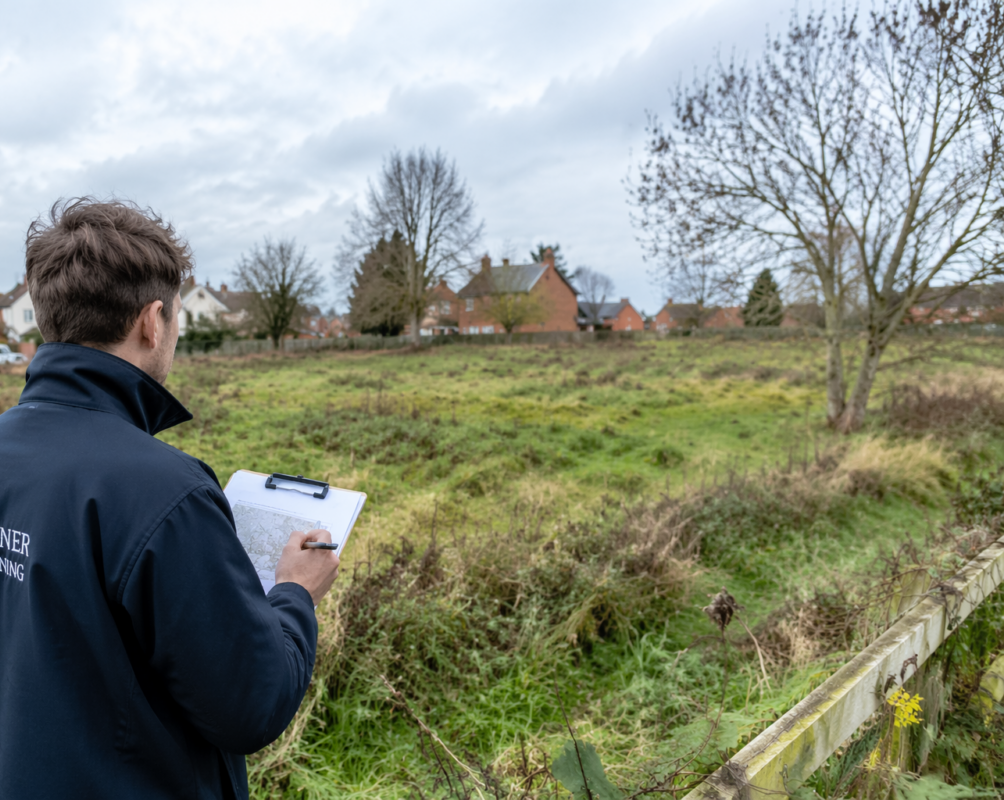
A few of the key benefits from our point of view are as follows:

Some examples of real appraisal outcomes
We recently undertook a site appraisal in Buckinghamshire (former Wycombe Area) for a longstanding client, as part of this we looked at the site history. This revealed a plethora of enforcement matters and refused applications/appeals which would impact on what the client was looking to achieve. Whilst this does not necessarily mean the development cannot go forward, we informed the client so that they could amend their offer to the landowner accordingly so that it reflected the greater level of risk
Another site appraisal was undertaken in Dacorum, and this site in visually looked prime for residential development, however, as part of our appraisal we identified that the site was within the Chilterns Beechwoods Exclusion Zone, which prohibits any residential development that would result in a net gain in dwellings. This meant that our client could walk away from this one before they were financially committed and enabled them to invest in other opportunities.
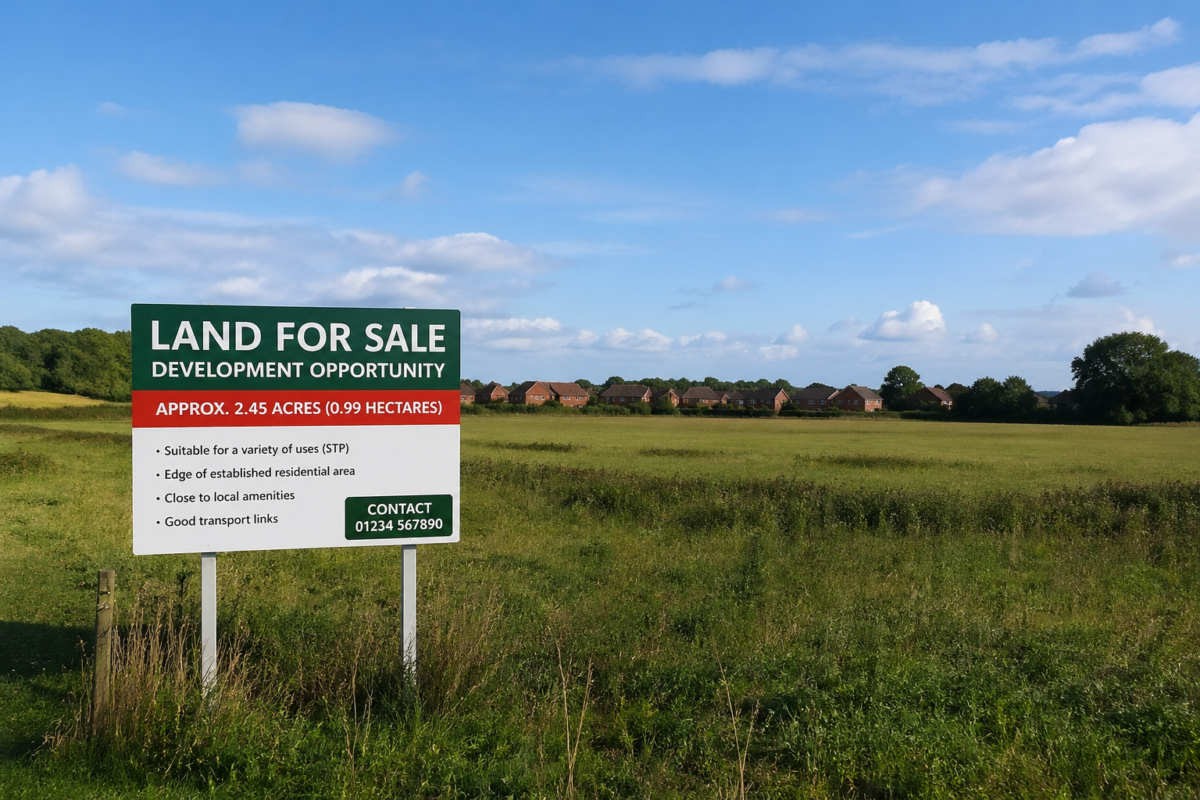
Alternatively, we prepared an appraisal for a site in one of the north-western London Boroughs, and this found the site to be suitable for development as was expected. But what we were able to add for the client in this instance was the local precedent of other approved schemes, which meant that a greater density was suitable for the location and they could achieve a higher quantum of development.
In short, a planning appraisal is about de-risking and strengthening a project before it formally enters the planning system and we at Warner Planning would be more than happy to see how we can assist with your projects through undertaking these initial planning appraisals.

Get in touch!
If you’re navigating the planning process and need guidance, our team would be more than happy to help and having the right planning consultant on board can make all the difference in turning complexity into clarity!
Having a consultant involved in your project, is a great way to reduce the risk of errors and it can drastically speed up the timeline for achieving planning permission.
If you think you need support with your project, we’d be happy to help.
You can contact us directly via the details below, or if you would prefer, you can fill in the form below and one of the team will be in touch.
Planning is at the forefront of increasing population growth with placemaking and place-shaping through strategic planning decisions which must carefully balance existing and future needs and resources.
At a time when the difficulties facing British Farming are very much in the spotlight, here at Warner Planning we help farmers and landowners navigate a range of rural planning opportunities, such as new or replacement agricultural buildings, farm diversification, barn conversions, renewable energy and rural tourism.
A retrospective application can provide an option where work has already been carried out because the planning requirements were misunderstood or overlooked.