


Categories
Industry Knowledge News

Planning Myth “You Cannot Develop on the Green Belt”

Planning Myth “You Cannot Develop on the Green Belt”

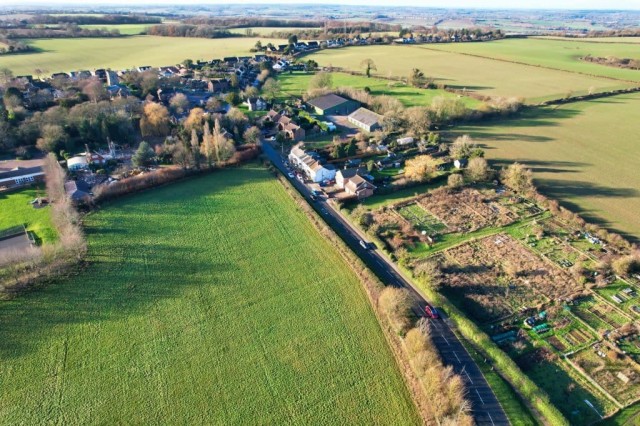
A long standing planning myth is that once an area is designated as Green Belt, that it cannot then be developed and whilst there may be more restrictions on what can be done, there are still opportunities for certain sites in the Green Belt.
urbanistarchitecture.co.uk

Development within the Green Belt is inherently considered as an inappropriate form of development, however, the following exemptions provide a non-exhaustive list of some that apply and we come across on a regular basis at Warner Planning:

  • Development or buildings which would support a use for agriculture and forestry.
  • Extending, altering, reusing or replacing an existing building, subject to this not resulting in disproportionate additions over and above the size of the original building. A replacement building must be for the same use and not materially larger than the original building. 
  • Limited residential infilling in villages, which basically fills in gaps in the built form within settlements, but typically the plot would need to be well contained/encompassed by development to be deemed acceptable.
  • Provision of affordable housing for identified local community needs under policies set out in the development plan (including policies for rural exception sites).
  • The partial or complete redevelopment of previously developed land (including a material change of use to residential or mixed use including residential), whether redundant or in continuing use (excluding temporary buildings), which would not cause substantial harm to the openness of the Green Belt.
  • A newer form of exemption for consideration would be Grey Belt, where the development is meeting an unmet need, is sustainably located and does not fundamentally undermine the Green Belt purposes (a, b & d).

Additionally, major development which provides 50% affordable housing, can be provided significant weight in the balancing exercise.

Very Special Circumstances

In addition to the above, where development is deemed as inappropriate and would result in harm to the Green Belt, this can still be approved if ‘Very Special Circumstances’ can be justified and any perceived harm is outweighed by the benefits. We would add that the bar for what justifies as VSC is very high and typically this would involve a collection of aspects rather than just a singular point. Some examples would be catering to a known need (housing, play space, community facility) or providing over and above the 10% BNG requirement.

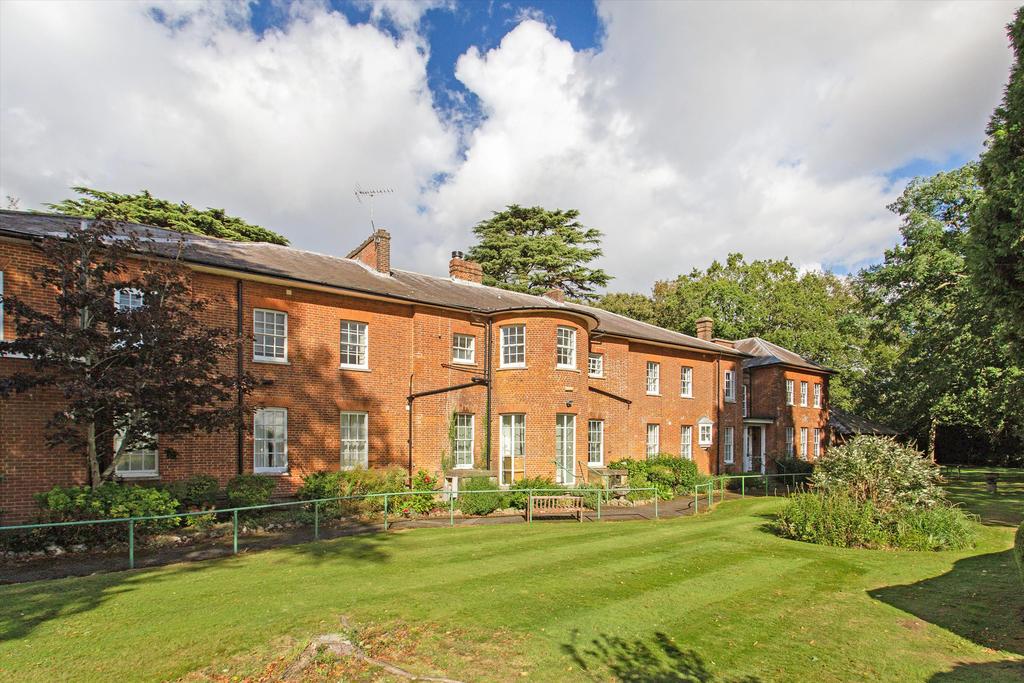
Looking at some recent examples of the projects we have been working on at Warner Planning, we have recently got permission for the change of use of an existing Listed Building in Three Rivers District Council, which this being permissible under the previously developed land exemption and enabled a vacant historic building to be brought back into use after years of neglect. We have also managed to gain permission in Essex for a four unit scheme on a piece of land which was within the residential curtilage of an adjoining property, and this was approved on the basis of Grey Belt, although an argument could be put together that this also constituted as limited infilling.
Croxley House - onthemarket.co.uk

As such Warner Planning has extensive experience in navigating the complexities of Green Belt sites and the additional challenges they face. So if you have any queries about the Green Belt or would like to discuss a site with us, we would be more than happy to chat this through with you and the potential your site has moving forward.

How to get in touch…

Having a consultant involved in your project, is a great way to reduce the risk of errors and it can drastically speed up the timeline for achieving planning permission.

If you think you need support with your project, we’d be happy to help.

You can contact us directly via the details below, or if you would prefer, you can fill in the form below and one of the team will be in touch.

T: 01908 592580
E: info@warnerplanning.co.uk

Recent Posts

Houses in Multiple Occupation (HMO)

With house prices rising and the ongoing challenge of building enough homes to meet demand there are many people seeking alternative ways to live independently without having to fund a mortgage or rent for an entire property. It can also be a great way to make friends and socialise if you are moving to a new area for work or studying.

How long does planning really take?

It’s one of the first questions clients ask us, and the answer is rarely as simple as 8 weeks, which we know isn’t the answer that you want to hear!

Categories
Industry Knowledge News

The Most Fascinating Finds Made During Planning Applications

The Most Fascinating Finds Made During Planning Applications

When people think about planning applications, they often think of drawings, policies and consultations. However, planning can also play a crucial role in uncovering and protecting Britain's hidden heritage.

Before many developments can proceed, archaeological assessments may be required to establish whether a site contains remains of historical significance. Over the years, this process has led to the discovery of extraordinary archaeological finds that have transformed our understanding of Britain's past.

How Planning Helps Discover History

The planning system requires local planning authorities to consider the impact of development on heritage assets, including archaeological remains.
Where a site has archaeological potential, applicants may be required to undertake:
• Desk-based assessments
• Geophysical surveys
• Trial trenching
• Archaeological excavations
While these investigations can sometimes be viewed as an additional step in the planning process, they regularly uncover evidence of past communities that would otherwise remain hidden forever.

Remarkable Discoveries Made Through Development

Anglo-Saxon Cemetery Found Before Housing Development
Ahead of residential development projects across England, archaeologists have uncovered previously unknown Anglo-Saxon burial grounds containing jewellery, weapons and personal possessions. These discoveries have provided valuable insights into how communities lived and commemorated their dead more than 1,500 years ago.

Roman Settlements Beneath Modern Fields
Numerous housing and commercial developments have revealed extensive Roman settlements, villas and road networks. In some cases, entire communities complete with workshops, homes and burial grounds have been identified during pre-construction investigations.

These discoveries help historians better understand the spread of Roman Britain and how people lived outside major towns.

Major Discoveries During HS2
The archaeological work undertaken in advance of the construction of HS2 has uncovered thousands of archaeological features spanning more than 6,000 years of history.
Finds have included:
• Prehistoric ceremonial monuments
• Roman settlements
• Medieval villages
• Ancient burial sites
• Evidence of early industrial activity
Many of these discoveries would likely never have been investigated without the development project.

One of the world's oldest railway roundhouses uncovered during the HS2 development

Medieval Villages Lost to Time
Planning-led excavations have revealed entire medieval settlements that disappeared centuries ago. Archaeologists have uncovered house foundations, streets, workshops and everyday objects, helping to recreate how people lived in medieval Britain.

Archaeological Discoveries Uncovered Through Development in Milton Keynes and Buckinghamshire

One of the best recent examples occurred in Olney, where archaeological investigations undertaken ahead of a proposed supermarket development uncovered a remarkably well-preserved Roman mosaic. Archaeologists also found evidence of a Roman villa, bath house and associated structures. Following the discovery, the development proposals were amended to help protect the remains.

MK Citizen: Developers unearth 'intricate' Roman mosaic at proposed Aldi site in Milton Keynes

Recent archaeological work associated with the expansion of Milton Keynes East has revealed extensive Iron Age and early Roman settlement activity, adding to the growing picture of how the area was occupied long before the New Town existed. These discoveries have been showcased through local archaeology events organised by the City Council.

Borderarchaeology.com

Balancing Development and Heritage

A common misconception is that archaeology prevents development from taking place. In reality, the planning system aims to balance the need for growth with the protection and recording of heritage assets.

Most archaeological discoveries do not stop development. Instead, they are carefully investigated, recorded and preserved where appropriate before construction continues.

This approach ensures that important historical information is not lost while still allowing new homes, infrastructure and employment opportunities to be delivered.

Conclusion

Every planning application has the potential to uncover a forgotten chapter of Britain’s history. From Roman settlements and Anglo-Saxon cemeteries to medieval villages and prehistoric monuments, some of our most fascinating archaeological discoveries have come about because development prompted archaeologists to investigate what lay beneath the surface.

The next time you see a housing development or major infrastructure project being built, it is worth remembering that the planning process may have already helped uncover centuries, or even millennia, of hidden history beneath the ground.

One of the best-preserved gardens ever discovered in this country was found during HS2 development excavations in Warwickshire

How to get in touch…

Having a consultant involved in your project, is a great way to reduce the risk of errors and it can drastically speed up the timeline for achieving planning permission.

If you think you need support with your project, we’d be happy to help.

You can contact us directly via the details below, or if you would prefer, you can fill in the form below and one of the team will be in touch.

T: 01908 592580
E: info@warnerplanning.co.uk

Recent Posts

What actually is the Grey Belt?

Since its formal introduction into the National Planning Policy Framework (NPPF), all everyone seems to be talking about is Grey Belt. So we though we would provide a bit of a breakdown to assist with what actually is the Grey Belt.

Roald Dahl Day!

To celebrate Roald Dahl Day we wondered what sort of planning permission would be needed for some of the places that Roald created in his books?