
Categories
Industry Knowledge News

Screen Free Week 2026

Screen Free Week 2026

How can Planning help get us off screens and out into nature?

National Geographic published an article highlighting the importance of getting outside to help families to communicate with each other. The article sets out the benefits of spending time outdoors to support better communication.

‘It’s no secret that the simple act of going outdoors provides kids with a bounty of cognitive, emotional and physical benefits. Kids who spend time in nature are happier, healthier, smarter, more cooperative, and more creative. Research also shows that getting outside reduces stress, anxiety and depression. Plus, it lowers the risk of childhood obesity and alleviates symptoms of attention deficit hyperactivity disorder.’

The benefits of putting away screens and devices doesn’t just impact children in a positive way, it can also apply to adults who are dealing with the everyday challenges of family life, work, finances, health and other worries. Getting out and about together as a group offers a great way to find time and space to communicate whilst exploring and learning about the natural world.

From an article posted in 2025 by the BBC helping to encourage teenagers to enjoy the great outdoors, Kadra Abdinasir from the Centre for Mental Health said:

‘Research shows that spending time outdoors and in nature has many benefits and can help boost our overall wellbeing and mental health. Whether it’s a stroll in your local park, hiking or even birdwatching, being in nature can help improve our mood and help us feel more relaxed.’

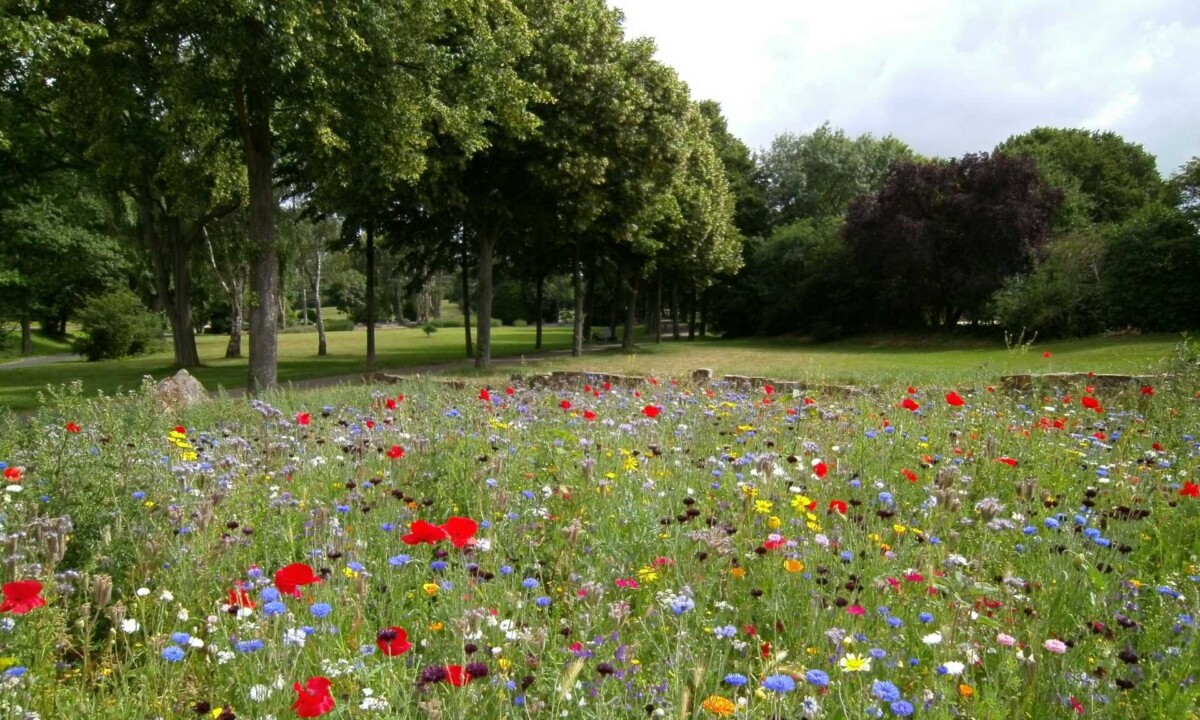
Image: www.natgeokids.com

Screen Free Week this year runs from the 4th to the 10th of May, with everyone encouraged to put down their devices and reconnect with the world around them. 

Avoiding screens can be difficult at any age with mobile phones being an easy time vacuum; the term doomscrolling was named a 2020 word of the year by Oxford English Dictionary!

Putting devices away for dedicated time outside for exercise, exploring and engagement can be a vital way to make opportunities for adventures!

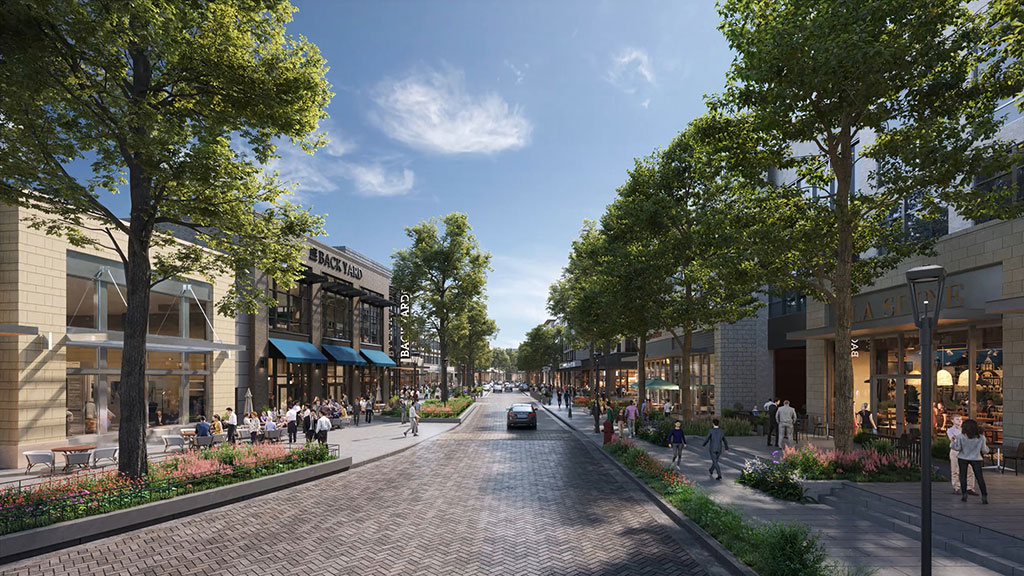
Planning can play a key role in these precious outdoor spaces. Applicants are sometimes required to make contributions for the enhancement or provision of existing green spaces to mitigate against the impact of additional visitors often referred to a Suitable Alternative Natural Green Space (SANG). Larger schemes often include dedicated areas for outdoor play and leisure. Councils set out requirements for how these spaces should be delivered often publishing their own Open Space Assessments. It is important to include the necessary areas for outdoor space as part of any planning layout. This also includes play equipment, areas for sports, private and shared gardens which also have their own minimum requirements to make sure that every home has somewhere to enjoy outside.

The links below are helpful signposts to find somewhere new to explore with friends, family or even colleagues on a lunchtime stroll!

It’s always best to check that you have a planned route beforehand which allows access and remember there is no such thing as bad weather, only unsuitable clothing!

How to get in touch…

You can contact us directly via the details below, or if you would prefer, you can fill in the form below and one of the team will be in touch.

T: 01908 592580
E: [email protected]

Recent Posts

Categories
Industry Knowledge News Planning Advice

Desk to Decision Journey

Desk to Decision Journey

From Desk to Decision: The Planning Journey in Practice

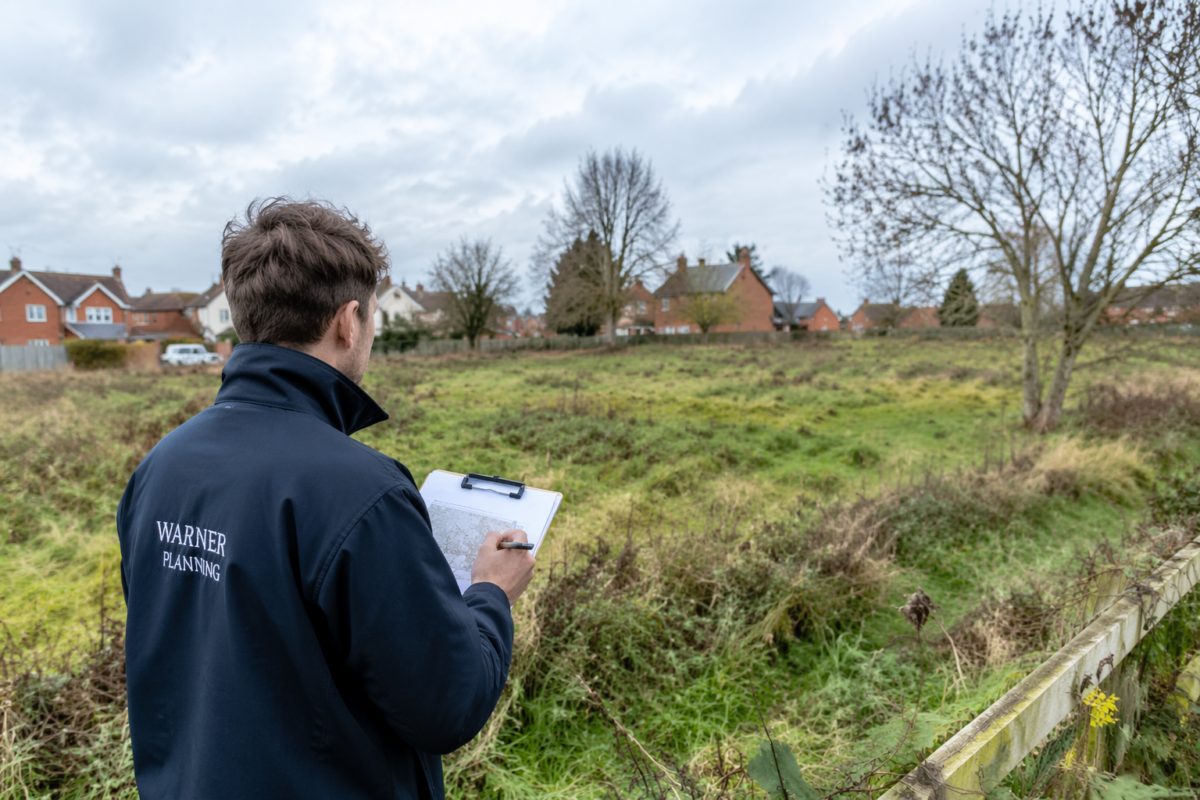
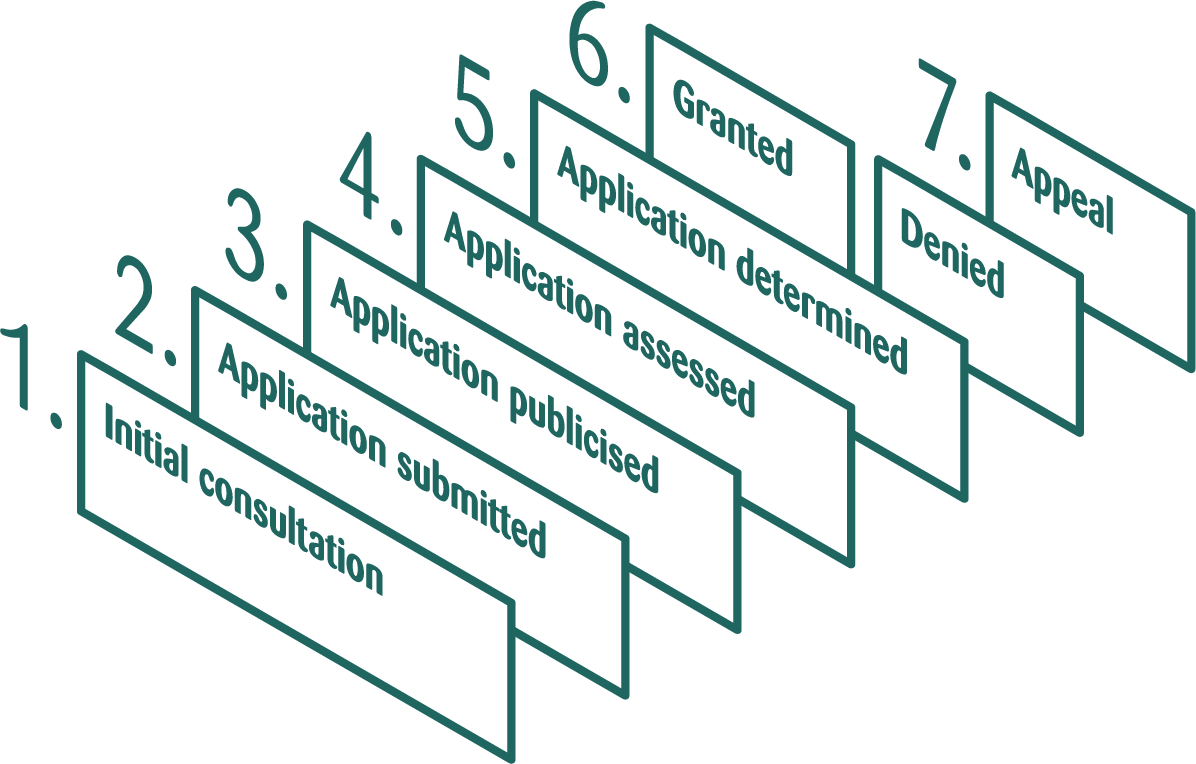
The planning process doesn’t begin with certainty, it usually begins with an initial site visit. The first visit is fundamental. We’re not simply viewing land or a building; we’re identifying constraints, uncovering opportunities, and understanding access options, context, and potential risk in real time. From here, the project starts to take shape through an initial site appraisal, which brings together the planning history of the site, policy context, site constraints, physical characteristics, and an emerging planning strategy. These findings are then discussed with the client, allowing us agree the next steps.

Where appropriate, we may engage in Pre-Application discussions with the Local Planning Authority, allowing us to test the proposal early, gain initial feedback, and identify potential issues before progressing to a formal submission. This often helps to reduce risk and improve certainty.

Next step, technical input!

Once we have a clear understanding of the site, we engage the wider consultant team, including transport, ecology, drainage, heritage, and design specialists (where appropriate and required). This stage is where quotes are reviewed, scopes are refined, and early assumptions are challenged. This is where the initial concept starts to take shape, with design and technical work evolving alongside one another in an iterative process.

As technical work progresses, our role becomes one of coordination and critical review. We assess each report, challenge conclusions where necessary, and ensure consistency across the project. At the same time, we begin preparing the planning statement, which acts as the narrative that holds the entire application together.

At this point, clarity starts replacing uncertainty. We define what is being proposed, why it is appropriate, and how it responds to both policy and place. We work closely with the architect to ensure drawings are finalised, technical reports are aligned, and every document is checked to ensure that any given application is as robust as possible, complete, and ready for submission.

However, submission does not mark the end of the process!

Following submission, we are responsible for managing the validation process, ensuring all documentation meets the Local Planning Authority’s requirements to avoid unnecessary delays. Once validated, we monitor consultee responses and review feedback as it arrives. It is the case that some of the comments are straightforward, but others require careful consideration. Where necessary, we prepare rebuttals, which respond clearly and professionally, addressing concerns, challenging assumptions, and reinforcing the planning case without unnecessary complexity.

Achieve planning permission with Warner Planning

Behind the scenes, the application is assessed by an allocated Case Officer and depending on the scale or sensitivity of the proposal, may be determined under delegated powers or presented to Planning Committee for decision. And what comes next… the decision!

An approval or refusal marks the end of one journey and the beginning of the next. But in many cases, our involvement doesn’t stop there. We often continue to support clients through post-decision stages, including discharging planning conditions, addressing planning obligations, or managing appeals where required.

From desk to decision, the journey is rarely linear, but it is always deliberate. When done well and effectively, every stage plays its part in reaching a robust and defensible outcome.

Get in touch!

If you’re navigating the planning process and need guidance, our team would be more than happy to help and having the right planning consultant on board can make all the difference in turning complexity into clarity!

How to get in touch…

Having a consultant involved in your project, is a great way to reduce the risk of errors and it can drastically speed up the timeline for achieving planning permission.

If you think you need support with your project, we’d be happy to help.

You can contact us directly via the details below, or if you would prefer, you can fill in the form below and one of the team will be in touch.

T: 01908 592580
E: [email protected]

Recent Posts

Categories
Industry Knowledge News Planning Advice

Planning Myths: Decision Making

Planning Myths: Decision Making

Decision Making in Planning - Quality vs. Quantity

There is a long-standing misconception that if a planning application is submitted which is not supported locally, the best way to prevent it from succeeding is to submit large numbers of letters/petitions of objection to the Council in response. However, the number of representations made in objection (or support!) of an application does not automatically mean that it will be refused (or approved!).

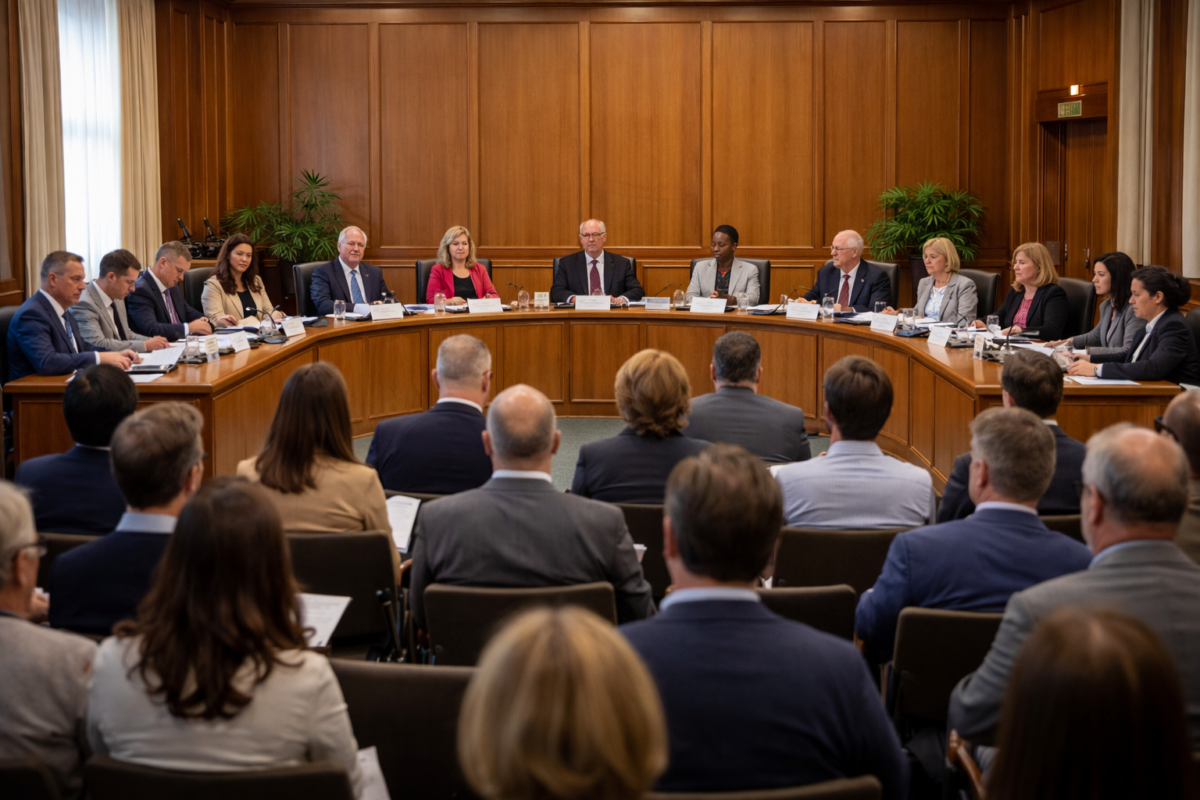
The amount of correspondence can however trigger an application being determined in a public meeting (Planning Committee) rather than at Officer level (Delegated Decision). Again, this does not mean that the application will be refused/approved however a Committee decision will mean that elected Members of the Committee, supported by the Chair of Committee and Council Officers, will discuss and debate the proposal in a public setting and it will add an additional layer of scrutiny.

A Committee meeting may also give the opportunity for a number of public speakers (procedures for this are managed by the Council’s Democratic Services/Committee Manager) to present their thoughts on the application to the Committee, Officers and any attendees. The Case Officer will have prepared a Committee Report with an Officer recommendation which will then be discussed. Members of Committee who discuss the proposal must ensure however that any decision they make is based on relevant planning policy, guidance and material planning considerations. A large number of public objections would not be a sufficient reason to refuse or approve an application unless there are substantial planning grounds to accompany this.

When does an application go to Planning Committee?

The number of representations needed for Officers to take an application to Committee is usually set out in the Council’s agreed Scheme of Delegation. This will vary from Authority to Authority. In most cases between 90-95% of submitted applications will be determined under Delegated powers with a report and recommendation made to a Senior Officer/Team Leader/Manager who has authority to issue decisions ‘in-house’. In certain circumstances, should an application be deemed to be significantly controversial or significant, it can be agreed between Officers and the Chair of Committee for it to be brought before Planning Committee on the grounds of public interest/significance.

Keeping representations relevant

If an application is being considered and a representation (comment) is made, either against or in favour, the Case Officer will review this submission to extract the material planning considerations. Our previous article sets out the valid planning considerations and also those which aren’t valid, for example the impact on property prices.

The key for all involved parties is to focus on relevant planning matters. Whilst communities may wish to submit correspondence directly to the Council to express their views it is important to be aware that whilst this may impact the process and format in which an application is determined it will not necessarily result in an application being determined in-line with their views. It is also helpful to mention that should an application be refused either by Committee or via a Delegated Decision the applicant will still have a Right of Appeal which will be dealt with via the Planning Inspectorate so a refusal does not necessarily mean that the application won’t be permitted at a later date through the Appeals process.

Achieve planning permission with Warner Planning

Public engagement

The Planning Process does encourage public engagement, and publicity is carried out when an application is first validated to notify those who would be most impacted by the proposed development. This publicity can be in various forms depending on the proposal, the location and how each Authority arranges their communication. It could be letters posted to individual properties, site notices displayed or notifications in the local press.

How can Warner Planning help?

Many people now choose to appoint a Planning Consultant to support them through the planning process particularly when preparing submissions to the Council to secure planning consent. Interested third parties can also appoint a Planning Consultant to prepare and submit comments on their behalf in response to a planning application that they have been notified of. Warner Planning have previously prepared representations on behalf of Parish Councils, community groups and individuals as part of the planning process.

Get in touch!

If there is a potential project which you would like to discuss in more detail, please do get in touch. If you are seeking support with making a representation on a current application as an interested party we would love to hear from you to see how we can assist!

How to get in touch…

Having a consultant involved in your project, is a great way to reduce the risk of errors and it can drastically speed up the timeline for achieving planning permission.

If you think you need support with your project, we’d be happy to help.

You can contact us directly via the details below, or if you would prefer, you can fill in the form below and one of the team will be in touch.

T: 01908 592580
E: [email protected]

Recent Posts

Can I appeal a Planning Decision in 2026?

Having a Planning Consultant involved in your appeal gives you a much higher chance of success. Warner Planning have the knowledge, experience and ethos to assess if you have grounds for an appeal and provide your case with the best possible prospects.

Categories
Industry Knowledge News Team News

Autonomous Vehicles Demonstration In Milton Keynes

Autonomous Vehicles Demonstration In Milton Keynes

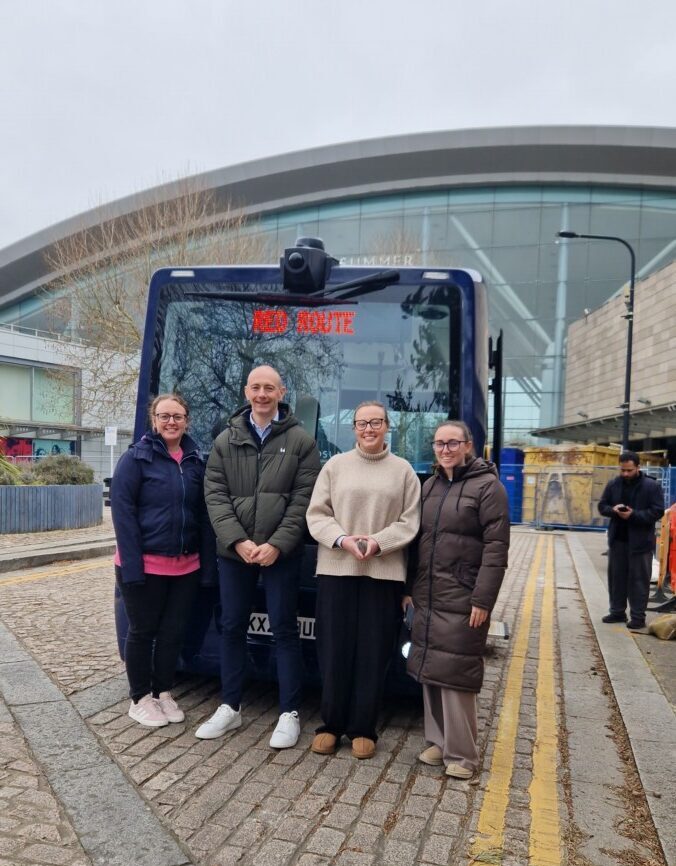
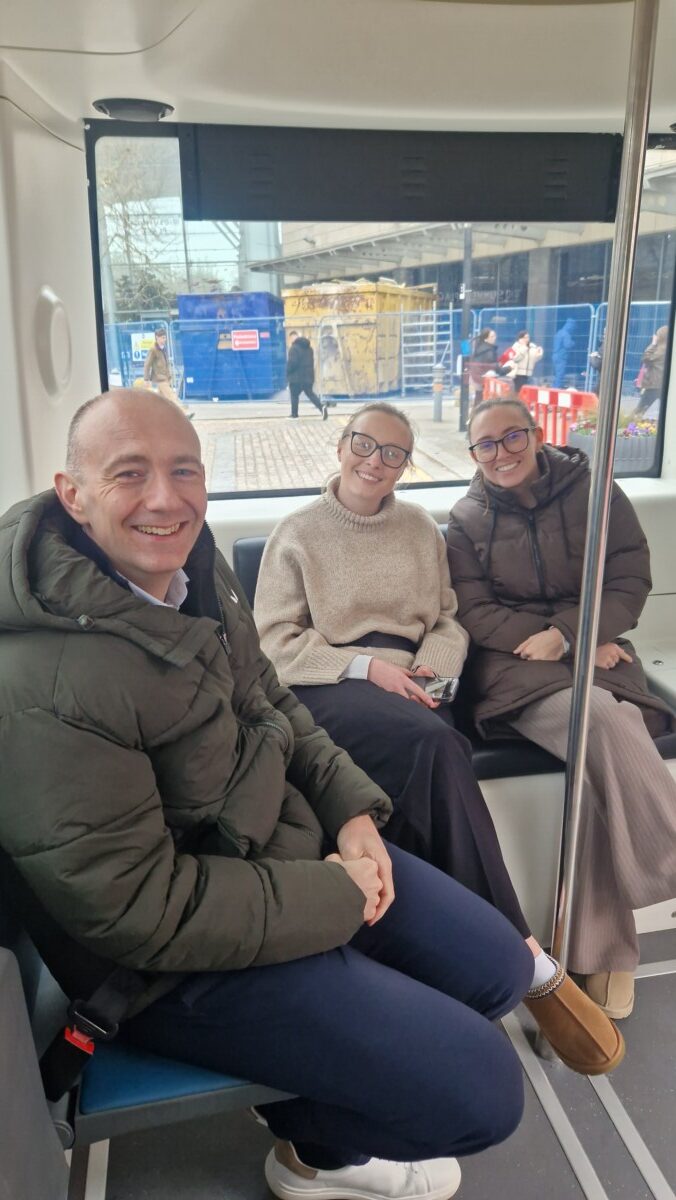
Sustainable transport plays a big part in planning new developments and the Warner Planning team were excited to have the opportunity to experience the autonomous Ohmio LIFT when they were testing in Milton Keynes 🚌.

The Ohmio LIFT is a completely autonomous, zero emission, accessible shuttle which is already in use in South East Asia and at airports including Amsterdam’s Schiphol Airport.
 
We were impressed by how the AI technology is used to safely navigate the road network including the famous Milton Keynes roundabouts, traffic lights and even tricky blind T junctions.
 
Hopefully these vehicles will soon be making their way to Milton Keynes, offering a Sustainable Transport option to residents, commuters and visitors alike!
 

How to get in touch…

Having a consultant involved in your project, is a great way to reduce the risk of errors and it can drastically speed up the timeline for achieving planning permission.

If you think you need support with your project, we’d be happy to help.

You can contact us directly via the details below, or if you would prefer, you can fill in the form below and one of the team will be in touch.

T: 01908 592580
E: [email protected]

Recent Posts

Meal Box Packing at St Mark’s Meals

The Warner Planning Team were proud to take part in our own Litter Picking challenge in the green space areas around our office in Broughton, Milton Keynes

Categories
Industry Knowledge News Planning Advice

Sustainable Development in Planning

Sustainable Development in Planning

Sustainable Development in Planning: Moving Beyond Policy Compliance

Sustainable development is no longer a secondary consideration in the planning system. It is the foundation upon which decisions are made. For developers, landowners and investors alike, understanding what sustainable development truly means in practice is essential to securing permission and delivering successful schemes.

At its core, sustainable development is about balance: supporting economic growth, delivering social value, and protecting the environment for future generations. The planning system is designed to weigh these three strands together, ensuring that new development contributes positively to the places in which it sits. Sustainable development and the pillars of this are underpinned by the NPPF (paragraph 8).

What does “Sustainable Development” mean in practice?

In practical terms, sustainable development typically involves:

  • Making effective use of land, particularly previously developed sites
  • Ensuring that a sufficient number and range of homes can be provided to meet the needs of present and future generations
  • Locating development where services and infrastructure already exist
  • Designing buildings that are energy-efficient and future-proofed
  • Enhancing biodiversity and green infrastructure
  • Protecting landscape character and heritage significance
  • Safeguarding residential amenity and promoting healthy living environments

Importantly, sustainability is not limited to environmental performance alone. A well-designed home within an established settlement that supports local services and contributes to housing supply can represent sustainable development just as much as a low-carbon building in isolation.

The Role of Design

Good design is central to sustainability. Schemes that respect local character, respond to landscape features, and integrate natural assets are more likely to gain support from decision-makers and communities alike.

Sustainable design now extends beyond materials and insulation standards. It encompasses orientation, passive solar gain, natural surveillance, walkability, landscaping, drainage strategies, and biodiversity net gain. Increasingly, planning authorities expect a holistic approach that demonstrates how each element works together.

Biodiversity Net Gain

With the introduction of mandatory Biodiversity Net Gain, sustainability has become more measurable. Developments must now leave the natural environment in a measurably better state than before. This shift represents a significant evolution in planning policy, embedding environmental enhancement into the development process rather than treating it as mitigation alone.

Thoughtful landscaping, habitat creation, sustainable drainage systems (SuDS), and tree retention are now core components of a robust planning strategy.

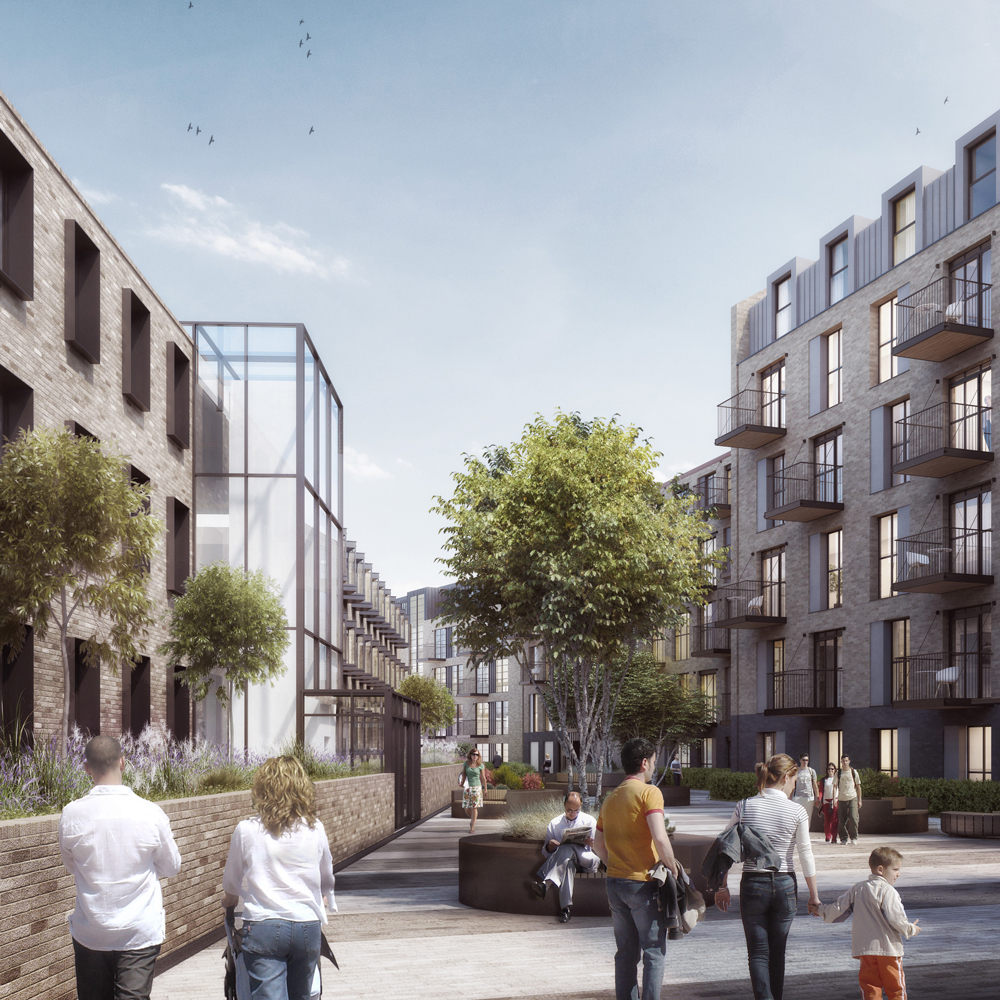
Image: blog.wavin.com

Deliverability and Longevity

True sustainability also considers longevity. Buildings should be adaptable, energy-efficient, and resilient to climate change. Schemes that rely on unsustainable infrastructure or create long-term maintenance burdens are unlikely to meet the broader sustainability test.

Planning is increasingly forward-looking, assessing not only whether development is acceptable today, but whether it will continue to perform well decades into the future.

Our Approach

At Warner Planning, we approach sustainable development as a strategic process rather than a checklist exercise. Early appraisal of policy context, environmental constraints, and design opportunities allows us to shape proposals that are robust, defensible, and aligned with national and local objectives as part of the planning balance.

We work collaboratively with architects and expert sub-consultants to ensure that sustainability is embedded from the outset. This proactive approach reduces risk, strengthens applications, and supports positive engagement with planning authorities.

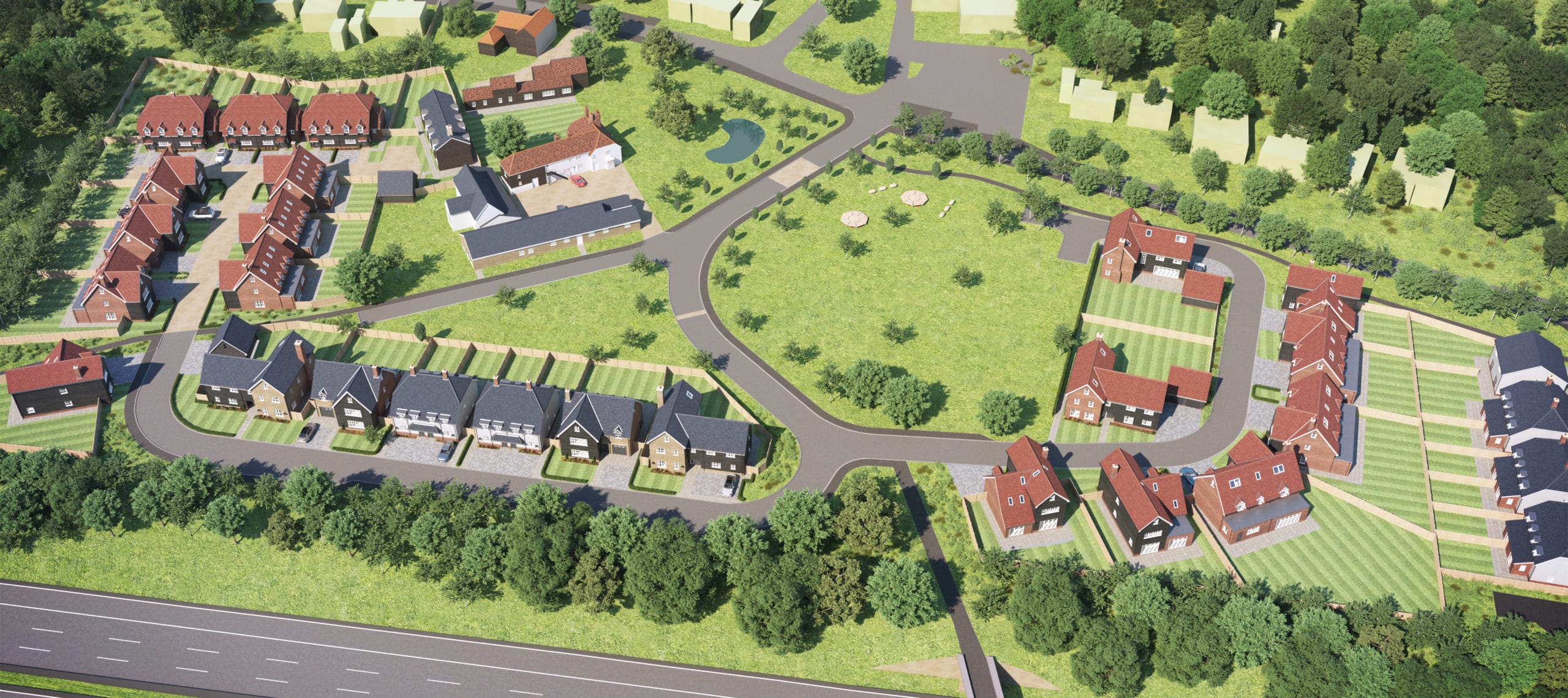
Image: gensler.com

Final Thoughts

Sustainable development is not about doing the minimum to satisfy policy, it is about creating places that work. When schemes are thoughtfully designed, appropriately located, and environmentally responsible, they are more likely to secure permission and deliver long-term value.

If you are considering a development project and would like advice on how sustainability considerations may influence your planning strategy, we would be pleased to discuss your proposals.

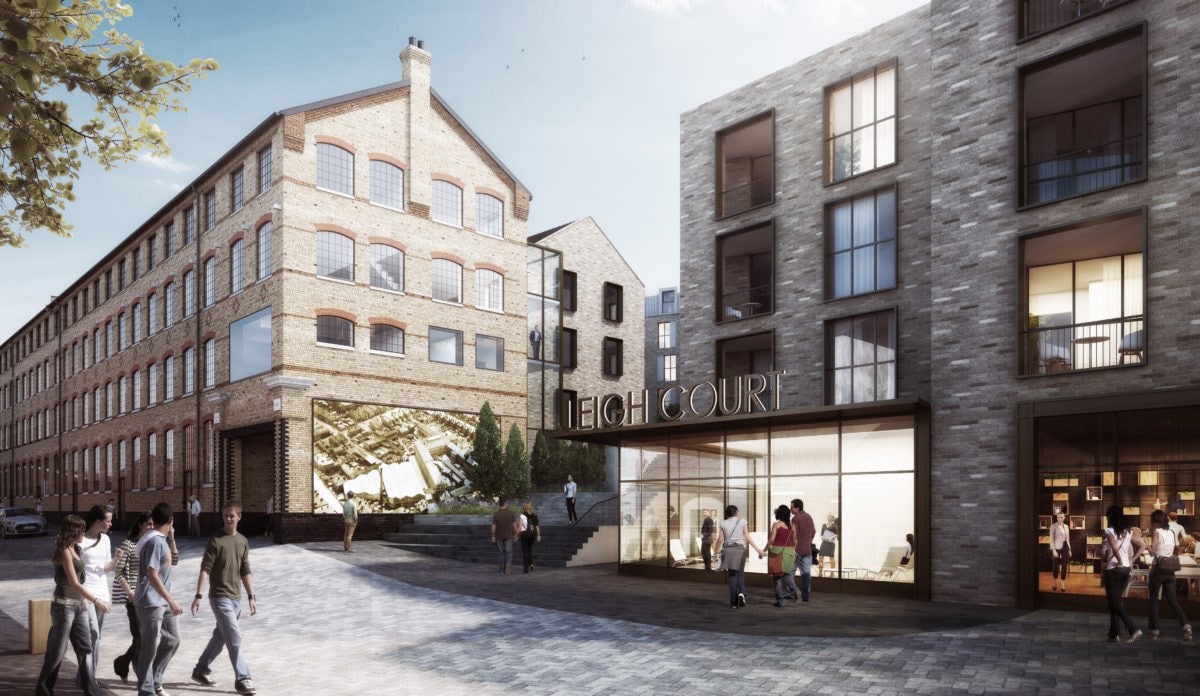
Image: campusestate.co.uk

How to get in touch…

Having a consultant involved in your project, is a great way to reduce the risk of errors and it can drastically speed up the timeline for achieving planning permission.

If you think you need support with your project, we’d be happy to help.

You can contact us directly via the details below, or if you would prefer, you can fill in the form below and one of the team will be in touch.

T: 01908 592580
E: [email protected]

Recent Posts

Categories
Industry Knowledge News

International Women’s Day 2026

International Women’s Day 2026

Women in Planning: Shaping Places, Shaping Futures

This March, ahead of International Women's Day we celebrate the women who shape our cities, communities, and futures through their involvement in the planning industry. From policymaking, transport, housing, and environmental design, women in planning play a critical role in creating places that are more inclusive, sustainable, and resilient.

Historically, planning has not always reflected diverse voices of society with historic profiles of the industry lacking female representation. Yet over time, women planners have consistently pushed the profession forward, advocating for safer public spaces, equitable access to services, affordable housing, and community-led decision making. Their work reminds us that planning is not just about land use or infrastructure, but about people and everyday life shaping communities that thrive for future generations.

Today, women in planning lead major projects to completion, influencing policy at every level, mentoring the next generation, and challenging sometimes outdated norms within the profession. They bring expertise, creativity, and lived experience that enrich planning outcomes and help ensure cities work for everyone, across gender, age, ability, and background. Women can offer a real perspective on modern living and are able to add an extra dimension on sometimes outdated perceptions of what makes a scheme successful.

However, there is still work to be done. Gender inequality persists in leadership representation, pay, and recognition across the planning sector. International Women’s Day is not only a moment to celebrate achievements, but also to recommit to creating workplaces and planning systems that value diverse perspectives and provide equal opportunities to thrive.

As we look to the future, empowering women in planning is essential to building better places. By supporting inclusive leadership, amplifying women’s voices, and fostering equitable pathways into the profession, we strengthen planning itself. It is also a priority to ensure that young women considering planning as a profession are encouraged by role models who they may aspire to. With a historic decline in interest in planning as a profession for young people it is more important than ever to shine a light on inspirational women.

This International Women’s Day, we recognise and thank the women who create, plan, support, design, advocate, inspire and lead, helping to create connected communities and promote the industry for generations to come.

The following resources are helpful signposts for future discussions, research and shining a spotlight on women in planning:

International Women’s Day Milton Keynes: International Women’s Day Event Milton Keynes 06.03.26 – Women in Enterprise

Women in Planning: Women in Planning UK

Women of Influence: The Planner’s Women of Influence 2025

Women and Planning: Past, Present and Future: Championing the power of planning

Commonwealth Women in Planning Network: Women in Planning

How to get in touch…

You can contact us directly via the details below, or if you would prefer, you can fill in the form below and one of the team will be in touch.

T: 01908 592580
E: [email protected]

Recent Posts

Categories
News Team News

Client Feedback

Client Feedback

We had an excellent experience working with Warner Planning on the conversion of a Grade II listed building into a residential home. From the outset, they demonstrated a deep understanding of listed building regulations and the sensitivities involved in working with a heritage asset. Their advice was clear, practical, and always well-reasoned, balancing conservation requirements with our aims for a comfortable, functional home. The planning application was handled professionally and efficiently, with strong supporting documentation and constructive engagement with the local planning authority and conservation officers. Thanks to their expertise and persistence, planning permission was successfully granted with minimal stress for us as clients. We would highly recommend them to anyone seeking planning consent for complex or listed building projects.

From start to finish I have been kept updated, informed and involved at every stage of a very very frustrating application for a change of use from domestic to commercial. We encountered many setbacks but Katy remained calm, professional and supportive throughout. I became accustomed to her jolly emails to both myself and other parties always asking if we were well / had a good holiday or weekend before asking the important questions - and it certainly worked to keep everyone in the process totally onside! I would not hesitate to use Warner Planning again if I needed any help with planning matters

Warner Planning were very professional and helped us through the planning process. We thank them for helping us to gain change of use for our site. Will definitely recommend.

5* couldn't recommend the team highly enough. Despite a frustrating approach from the council, the team were always on hand and ready to deal with any queries and help us achieve the desired result.

This is our first time of using Warner Planning and we would now not use anyone else having received such a first class service from them! Our main contact has been Katy and she has been absolutely superb in steering our project through to planning approval (and it was not an easy site and we have previously had two rejections) always thinking outside the box and working with such professionalism and expertise. Katy was extremely ably assisted by Sophie who is always completely diligent in what she does and so very pleasant to deal with. All in all absolutely delighted and I really cannot recommend Warner Planning more highly.

We couldn't be more grateful for the exceptional expertise and dedication of Warner Planning. Navigating the complexities of planning permission for our project had proven to be an uphill battle, but the Warner Planning Team made what felt impossible a reality. They demonstrated an impressive understanding of planning regulations, provided innovative solutions, managed the relationship with the Council and handled every challenge with professionalism and determination. Thanks to their guidance and support, our vision is now becoming a reality. We wholeheartedly recommend Warner Planning to anyone needing expert assistance with planning permission—they truly are brilliant!

Having twice unsuccessfully applied for planning I was recommended to appoint Warner Planning. This was therefore a challenging project because of the previous rejected applications. Establishing agreement with the Planning Officer on the village curtilage/build boundary, proximity of large trees and new bio diversity legislation as well as the original concerns about the house design and scale, all adding to the complexity. Warner Planning used their expertise to engage with the Planning Department and address these issues professionally and systematically finally resulting in the granting of our planning application. I would highly recommend the services of Warner Planning.

I can't praise Simon enough for his thorough and professional service. He has gone over and above what he was asked to carry out, achieving results and all at a very reasonable cost. I would highly recommend Simon and his team and would use them again in a heartbeat

Our site was Locally Listed, an ex community asset AND Simon was working within a Joint Venture structure. He never got flustered, he had a great rapport with the planning team through a pandemic and our many ups and downs. He is brilliant.

I have found Warner Planning very professional, easy to deal with, always prepared to explain planning guidelines and procedures, and give advice on how to proceed.

Everything was dealt with from drawing up plans to arranging surveys. I would always use them again and would recommend them to anyone.

Dear Simon, Thank you for helping us get planning permission for our new family home!

Simon, Thank you for getting our pre-application submitted, promptly and so thoroughly.

How to get in touch…

Having a consultant involved in your project, is a great way to reduce the risk of errors and it can drastically speed up the timeline for achieving planning permission.

If you think you need support with your project, we’d be happy to help.

You can contact us directly via the details below, or if you would prefer, you can fill in the form below and one of the team will be in touch.

T: 01908 592580
E: [email protected]

Recent Posts

Categories
Industry Knowledge News Planning Advice

Can I appeal a Planning Decision in 2026?

Can I appeal a Planning Decision in 2026?

No one wants an appeal, but sometimes it’s unavoidable. If planning has failed, we’d love to represent you in your appeal.

If your planning application has been refused by the Local Authority you have the right to appeal this decision with the Planning Inspectorate. There are specific timescales in which this appeal needs to be submitted depending on the type of application.

How can Warner Planning help me with my appeal?

Having a planning consultant involved at this stage will give you much higher chances of a successful appeal. Our team at Warner Planning has the knowledge, experience and ethos to quickly focus on the facts, assess if you have grounds for an appeal and provide your case with the best possible prospects.

Our approach to appeals is tenacious and our innovative thinking has brought many appeals to a successful conclusion, when at first they may have seemed to be lost causes.

Having a consultant involved in your appeal, is a great way to reduce the risk of errors and it can drastically speed up the timeline for achieving planning permission.

Contact us to discuss your needs and let’s see if we can help you.

How to get in touch…

You can contact us directly via the details below, or if you would prefer, you can fill in the form below and one of the team will be in touch.

T: 01908 592580
E: [email protected]

Recent Posts

Categories
Industry Knowledge News Planning Advice

What are Permitted Development Rights in 2026?

What are Permitted Development Rights in 2026?

Some projects don’t require planning permission as they qualify under “Permitted Development Rights”.

These rights cover a wide range of works including building operations, extensions, demolition and certain changes of use and they can apply to both residential and non-residential properties.

How do I know whether my project qualifies as Permitted Development?

We often receive this question from our clients, and the answer depends on a number of factors, including the size and location of your project, as well as its overall appearance.

Within Permitted Development Rights there are still certain standards and criteria that need to be met such as the size, location and appearance of your project; as well as additional restrictions on Permitted Development in certain ‘designated areas’ such as Conservation Areas and Areas of Outstanding Natural Beauty.

We can help you gain a clearer understanding of which Permitted Development Rights may apply to your project, what is likely to be accepted under Permitted Development, or whether a prior approval certificate is required.

Having a consultant involved in your project, is a great way to reduce the risk of errors and it can drastically speed up the timeline for achieving planning permission.

If you think you need support with your project, we’d be happy to help.

How to get in touch…

You can contact us directly via the details below, or if you would prefer, you can fill in the form below and one of the team will be in touch.

T: 01908 592580
E: [email protected]

Recent Posts

Categories
Industry Knowledge News Planning Advice

What are Material Planning Considerations in 2026?

What are Material Planning Considerations in 2026?

Once a Planning Application has been submitted to and validated by the Local Planning Authority it becomes ‘live’. In accordance with the Council’s individual processes there will be communication with the local community to notify them of the application. This communication will offer an opportunity to express views on the proposal and might be carried out in a number of different ways including notices in the press, letters posted to your home and notices posted nearby to the site.

There are however only certain matters that will be accepted as ‘material planning considerations.’ It is important to focus any comments on these topics. The list below is a helpful guide if you are notified about an application and wish to make a representation or comment to the council:

Overlooking and Loss of Privacy

If an application proposes built form that may increase a relationship between two properties this might constitute overlooking or loss of privacy. Most Local Authorities will assess an application by measuring distances between buildings to make sure that any new development will not cause harm to any the living conditions of any occupiers. 

Loss of Light and Overshadowing

If an application proposes new development which would create a building that is taller than the existing the Council will consider if this will potentially cause any harm to the occupiers of nearby buildings. Any development should not be constructed so close or built so tall to an existing property such that their enjoyment and amenity is affected.

Parking

Most Councils will have published Parking Standards on their website. These Standards will specify the required number of parking spaces for any application proposed. The Standards will vary depending upon the exact location of the development, the type of application and will also specify different types of spaces required e.g. HGV parking, accessible spaces and cycle storage.

Highway Safety and Traffic

In addition to the required number of spaces, a planning application will also have to demonstrate that vehicles can safely enter and exit a site and manoeuvre within it. Furthermore, proposals will also need to make sure that any additional traffic movements can be accommodated within the highway network. New junctions or changes to junctions will also need to safe and not cause harm to highway safety. Routes for other uses including pedestrians and cyclists will also be considered. Councils will prioritise the use of Public Transport and sustainable travel options.

Noise

For applications where additional noise might be generated particularly proposals which are for commercial/industrial activities the Council will often require detailed information relating to noise. Applications will be assessed on the grounds of whether any additional noise would cause harm to the living conditions of any nearby occupiers. The Council may impose conditions that should an application be approved the hours of operation might be restricted. The Council will usually seek technical advice from Environmental Health Officers or Regulatory Services to make sure that impacts from additional noise will be limited.

Heritage and Historic Considerations

If an application falls within a designated Conservation Area or relates to a Listed Building (or both!) or is close to these the Council’s specialist Officers will consider any impact. The Council may require particular materials be used to ensure that impact is minimised and will often request that additional details are provided to make sure that construction would not harm any historic buildings. If a local area has a special and unique appearance or layout the Council may also take this into account. The Council will also use mapping systems and historic records to consider archaeological matters to ensure that any proposed works are not harmful to sites of archaeological importance. 

Historic England

Layout and Density

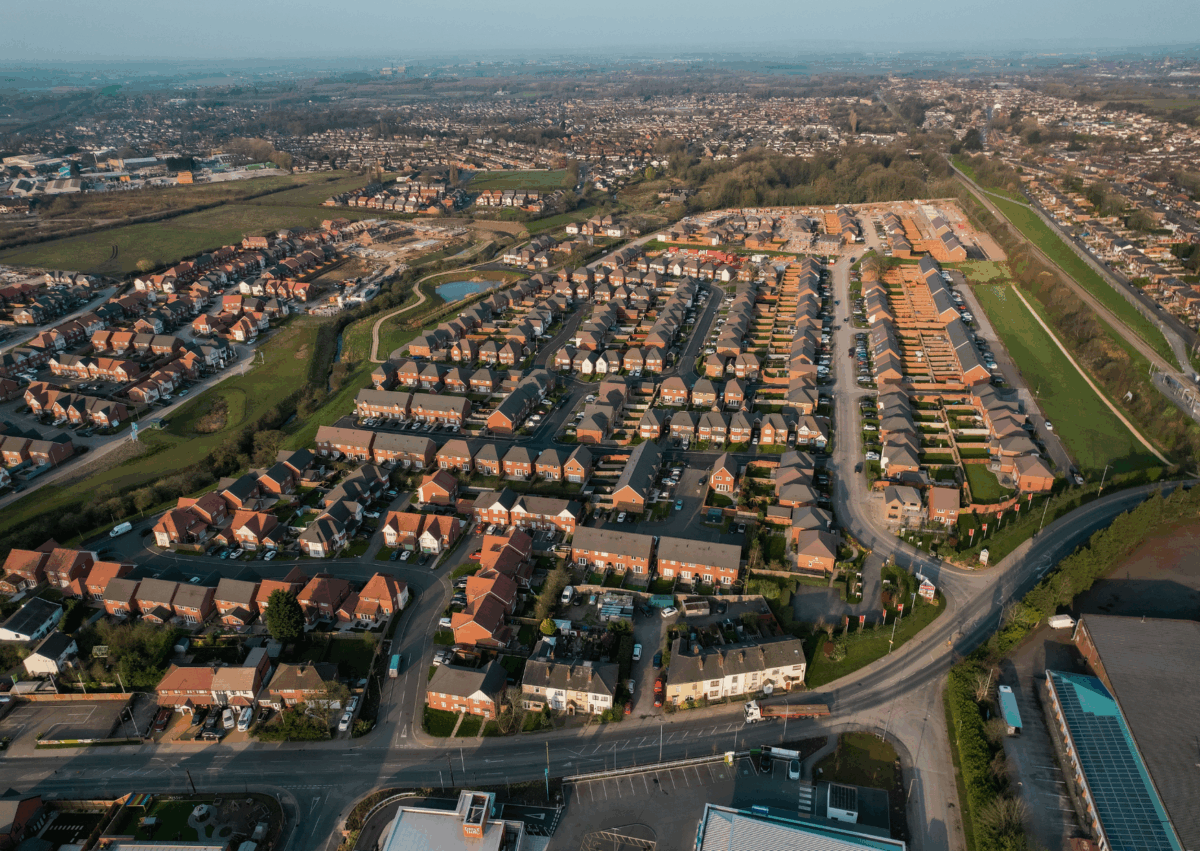
Any application will need to make sure that there is not too much being constructed within a site. Proposals need to make sure they include enough space for circulation, gardens and landscaping. For larger schemes the Council will advise on the dwellings per hectare (dph) that should be delivered to make efficient use of more substantial sites

Design, Appearance and Materials

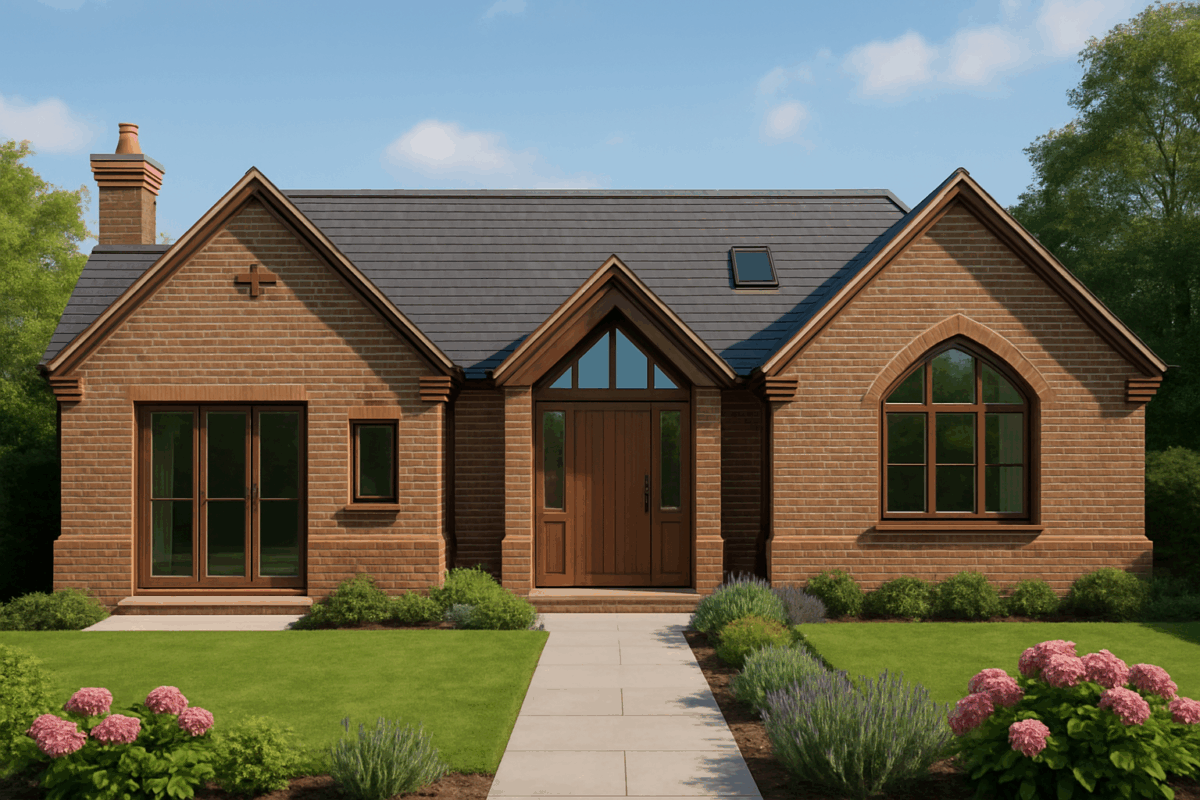
Most applications will usually need to specify how the proposal will appear once it has been completed. Other details that are required might include which materials will be used and what architectural features are included. The Council will usually try to make sure that any application is sensitive to the surroundings and would sit comfortably in the local area once built.

Accessibility

Applications for certain types of development will need to ensure that they are accessible for all groups of society including those with mobility issues and disabilities. Schemes will need to include provision for wheelchair users to live, work and socialise safely.

Historic Planning Decisions

The Council will take into account previous decisions for the site including decisions made by the Planning Inspectorate through the Appeal process. Officers will consider historic decisions to guide future outcomes in the interests of consistency and if they have been ‘tested’ through the Appeal process this will give weight in the determining any application. Whilst previous decisions will be taken in account it is important to be aware that Councils are clear that each application is considered on its own merits so if an application for a similar scheme nearby was approved it will not automatically mean that subsequent applications will have the same outcome. It can be helpful however to highlight any similar proposals if you have examples.

Planning Policies

Planning decisions will be made based on a variety of considerations and criteria but at the heart will be adopted national and local planning policies. At a national level the key document is the National Planning Policy Framework which is periodically updated and sets out the key themes, priorities and aspirations for development across the country. Locally, Council’s will have their own suite of documents which provide more detailed guidance which is particularly relevant to each Local Authority. There will be variations between the local priorities for each Authority depending on their specific characteristics and what their community needs. Officers will consider both national and local policies when making decisions.

Landscaping, Biodiversity and the Environment

Applications which could impact an existing landscape, trees or any protected species will be considered in-line with any Statutory protections. An applicant may need to provide detailed survey information to support an application and the Local Planning Authority will consider any potential harm. Many larger proposals will need to include landscaping as part of any submission to improve the visual appearance and offer wildlife opportunities. In some cases an applicant will need to provide additional biodiversity enhancement measures to add further chances for species to thrive. In many cases planning conditions might be added to any permission to control works during nesting/breeding seasons. 

Flood Risk and Drainage

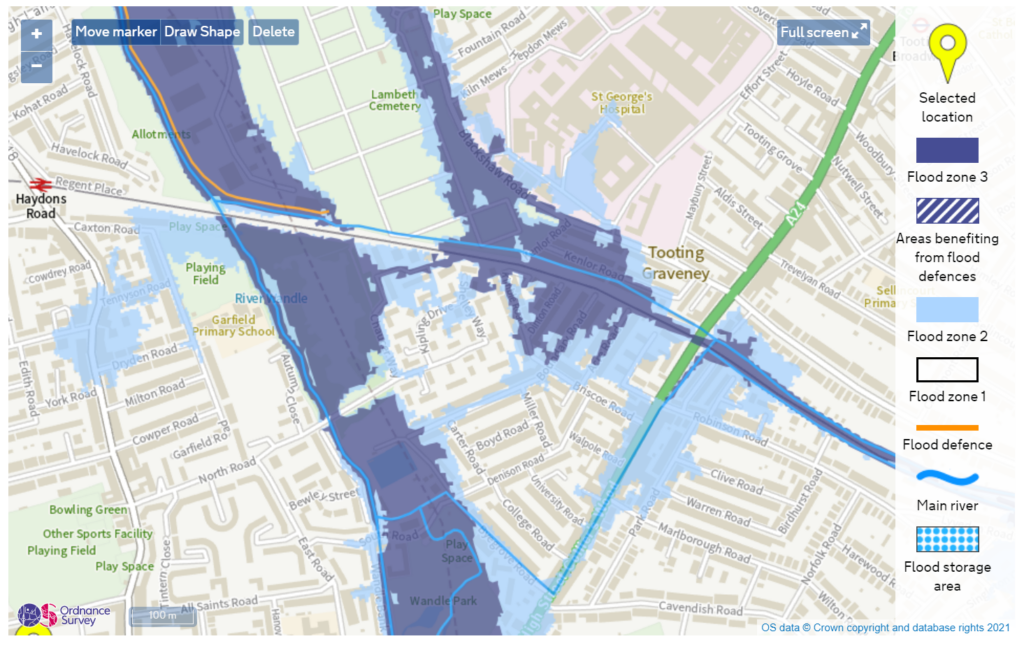
For larger applications and certain smaller schemes technical information will be needed to demonstrate how water will be managed and disposed of. National mapping systems set out flood zones and flood risks information which will inform what information is required. Drainage Consultants are often appointed to provide detailed information to demonstrate that water will be managed and development will not increase the risk of flooding elsewhere. In many cases an application will include on-site measures for dealing with water. 

Flood Map For Planning Service

Conclusions

There are other considerations which the Council will consider as part of determining an application. These matters will depend on the site location, proposed works, constraints, any statutory consultees and and wider considerations which the relevant Council have applied. 

Matters which a Council cannot consider

  • Who the applicant is and their background
  • Loss of views
  • Impact on property values
  • Loss of potential or current trade or increased business competition
  • The strength or number of public representations
  • Disturbance from construction noise during development
  • Concerns from damage to property through construction
  • Maintenance of property
  • Civil matters such as boundary disputes, covenants or other property rights
  • Public Rights of Way
  • Personal circumstances and situations are generally not a material planning consideration

How to get in touch…

Having a consultant involved in your project, is a great way to reduce the risk of errors and it can drastically speed up the timeline for achieving planning permission.

If you think you need support with your project, we’d be happy to help.

You can contact us directly via the details below, or if you would prefer, you can fill in the form below and one of the team will be in touch.

T: 01908 592580
E: [email protected]

Recent Posts