


Artificial Intelligence seems to be taking over every aspect of life at present, with professional conversations in planning being no exception.
In terms of the potential impact on planning applications, the opportunity is significant and vast. AI has the potential to help all parties within the planning system to deal with large volumes of information more efficiently, identify relevant policy and constraints earlier, and make the application process easier to navigate.
Some examples of how AI could be used to assist in planning:
- Review planning policy and identify relevant requirements for validation at an early stage.
- Analyse application documents and highlight missing or inconsistent information.
- Summarise lengthy technical reports and consultation responses.
- Help planning teams identify recurring issues and patterns across applications.
- Make planning information more accessible to applicants and communities.
- Reduce the administrative burden that can slow down decision-making.

But there is an important distinction to make, as planning is not simply a data-processing exercise, but good planning requires professional judgement. It involves balancing policy, design, technical evidence, local circumstances, environmental considerations, community interests and needs of all the parties. Those decisions can have consequences for places and communities for decades, so data alone cannot be relied upon.
That means the most valuable role for AI is about augmenting professional judgement.
If AI can reduce the time spent searching documents, processing information and carrying out repetitive administrative tasks, planners can spend more time on the things that require human expertise, such as understanding places, negotiating better schemes, engaging with communities and exercising sound planning judgement.
There are, of course, important questions around accuracy, transparency, accountability and data quality. AI outputs need to be treated as evidence to interrogate, rather than answers to accept unquestioningly. Used well, however, AI could help create a planning system that is faster and more accessible without sacrificing the quality of decision-making.
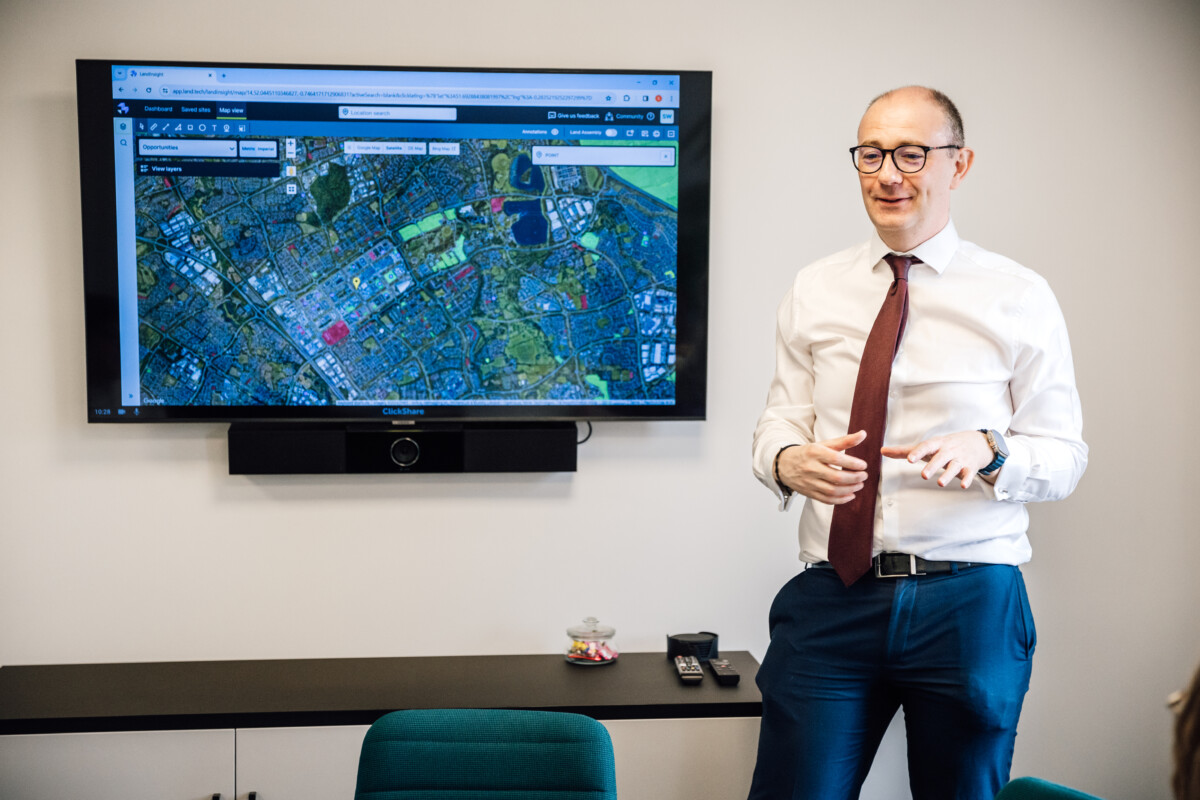
How is AI already being used in Planning?
In June 2026, the UK government announced plans to start using an AI prototype to help officers determine Householder applications in half the time, shortening the process from the current 8 weeks to only 4 weeks. It is currently being trialled at Barnet, Camden and Dorset councils where applications are triaged, summarised and planning officers given an initial assessment of the proposals that they can consider when making their decision. This illustrates how AI can be used effectively without taking away the professional judgement of the case officer.
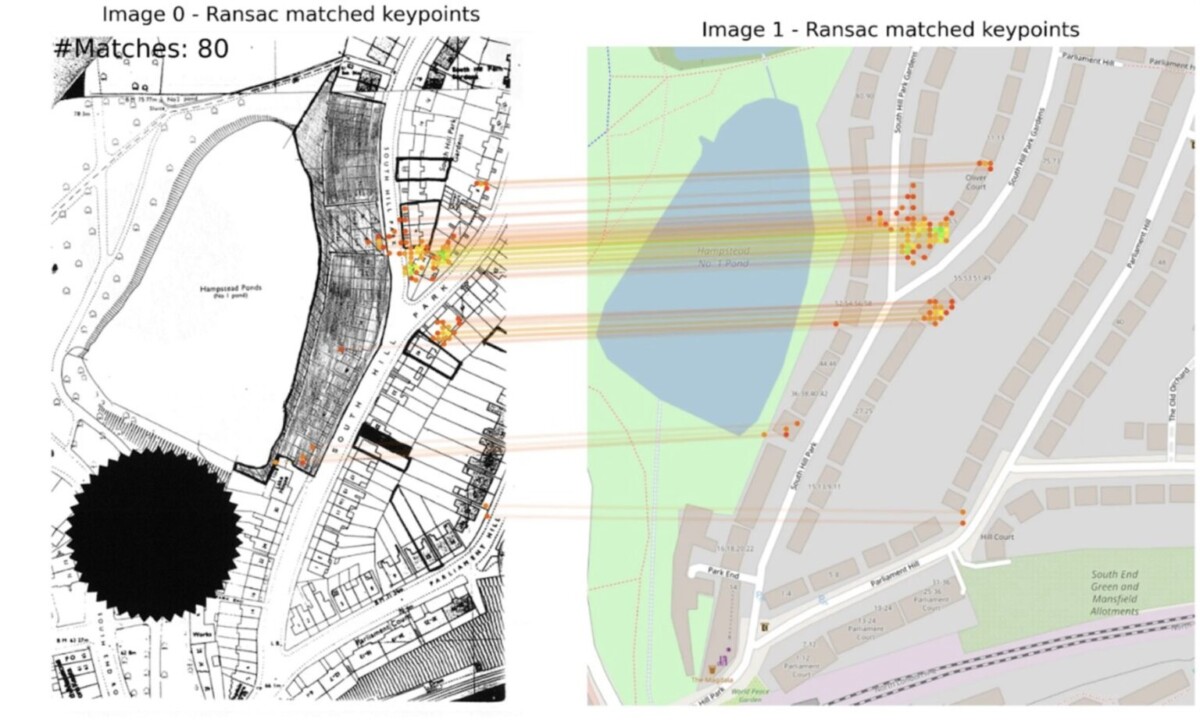
A second AI tool called Extract is also now being used by all councils across England to help planning officers convert decades-old planning documents and maps into usable data in minutes.
The hope is that by freeing up thousands of hours of time, planning officers will be able to focus on decision making which will speed up housebuilding across the country as well as improving reliability, reducing costs and saving time for councils and developers.
Extract – Tools – AI Knowledge Hub
Extract: Using AI to unlock historic planning data – MHCLG Digital
There is no question that AI will play a role in planning applications, but where we should draw the line between automation and professional judgement to ensure we keep the human element to the decision making process?
Where do you think AI could make the biggest difference in the planning application process?
How to get in touch…
Having a consultant involved in your project, is a great way to reduce the risk of errors and it can drastically speed up the timeline for achieving planning permission.
If you think you need support with your project, we’d be happy to help.
You can contact us directly via the details below, or if you would prefer, you can fill in the form below and one of the team will be in touch.
T: 01908 592580 E: info@warnerplanning.co.uk
Recent Posts
Houses in Multiple Occupation (HMO)
With house prices rising and the ongoing challenge of building enough homes to meet demand there are many people seeking alternative ways to live independently without having to fund a mortgage or rent for an entire property. It can also be a great way to make friends and socialise if you are moving to a new area for work or studying.
How long does planning really take?
It’s one of the first questions clients ask us, and the answer is rarely as simple as 8 weeks, which we know isn’t the answer that you want to hear!
AI and Planning: The Future of Applications?
How can AI support planners without replacing the human judgement at the heart of good planning?