

Could Silverstone Be Built Today? The Planning Challenges Facing a Modern Motorsport Circuit
Each summer, hundreds of thousands of motorsport fans descend on Silverstone for the British Grand Prix. The iconic circuit has become synonymous with speed, innovation and British sporting success. But it raises an interesting planning question: if Silverstone were proposed today, would it secure planning permission?
The answer is likely yes, but the route to approval would be far more complex than when the circuit first emerged from a former RAF airfield in the late 1940s. Modern planning places a much greater emphasis on understanding and mitigating the impacts of development. A proposal for a major motorsport venue would need to navigate a number of significant planning considerations before a decision could be made.
Traffic and Transport Impacts
Perhaps the most obvious challenge would be accommodating the huge numbers of visitors attending events throughout the year.
A comprehensive Transport Assessment would be required to understand the impact on the surrounding highway network. This would consider vehicle movements, public transport options, pedestrian access, traffic management plans and sustainable travel opportunities. Local and National highway authorities would expect robust evidence demonstrating that the network could operate safely and efficiently during both event and non-event days.
Noise Impacts

Motorsport and noise go hand in hand, but modern planning policy requires decision-makers to carefully consider the effects on nearby residents.
Detailed acoustic assessments would be needed to establish existing baseline conditions, predict noise levels during events and identify appropriate mitigation measures. Restrictions on operating hours, limitations on certain activities and physical noise barriers could all form part of any planning approval.
Ecology and Biodiversity
Environmental considerations have become increasingly important within the planning process.
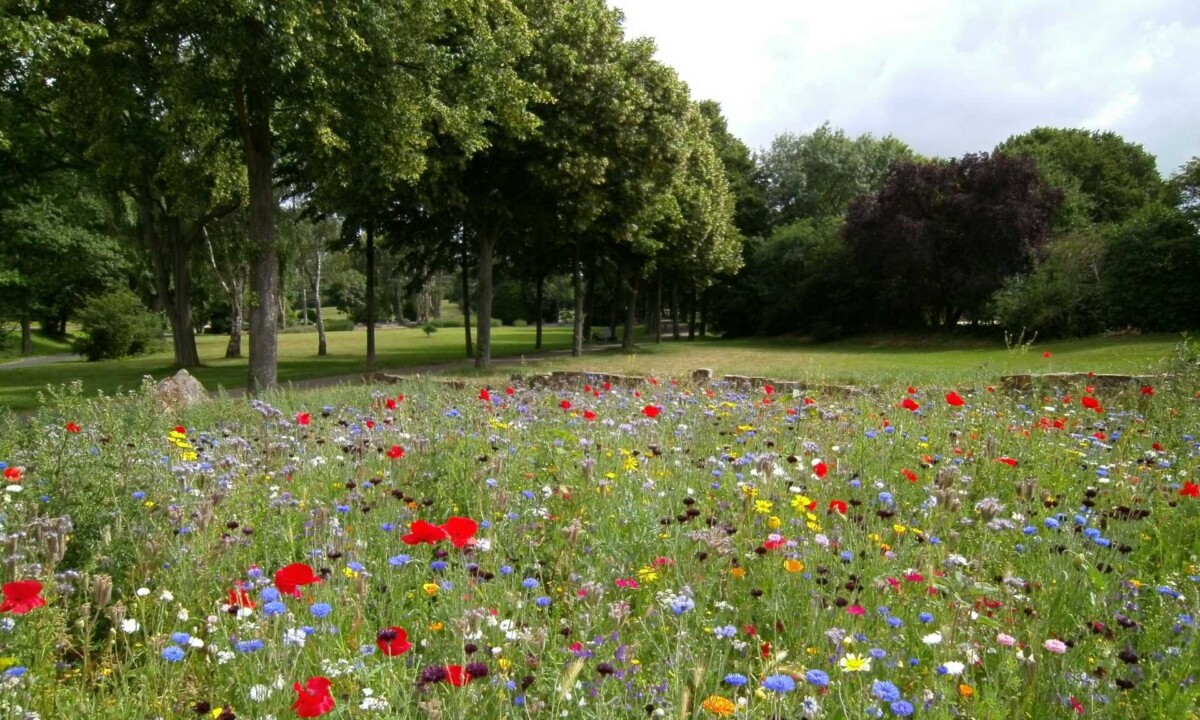
Ecological surveys would be required to identify protected species and habitats within and around the site. Under current legislation, developments are also expected to deliver Biodiversity Net Gain, meaning proposals must demonstrate measurable improvements to biodiversity rather than simply avoiding harm.

Landscape and Visual Effects
A development of Silverstone’s scale would inevitably alter the character of the surrounding landscape.
Landscape and Visual Impact Assessments would consider how grandstands, hospitality facilities, lighting and supporting infrastructure would be perceived from surrounding viewpoints. Careful design and landscaping strategies would be essential to minimise adverse effects.
Flood Risk and Drainage
Large areas of hardstanding associated with circuits and car parks can increase surface water runoff.
A planning application would therefore require Flood Risk Assessments and sustainable drainage proposals to ensure that development does not increase flood risk elsewhere.

Air Quality and Climate Considerations
Increasingly, planning decisions must address wider environmental objectives.
Assessments would be required to examine air quality impacts arising from increased traffic, while applicants would also be expected to demonstrate how the development aligns with climate change policies through energy efficiency measures and sustainable design principles.
Economic Benefits
Silverstone contributes significantly to the regional economy, supporting employment, tourism and investment. Any contemporary proposal would place considerable emphasis on these socio-economic benefits, highlighting job creation, visitor spending and wider regeneration opportunities.

So, could Silverstone be built today?
The reality is that iconic developments such as Silverstone are unlikely to receive a simple “yes” or “no” answer. Instead, they would be subject to a rigorous planning process balancing environmental considerations, community impacts and economic benefits.
What this experiment illustrates is just how much the planning system has evolved. Today’s approach seeks not only to facilitate development but to ensure that it is sustainable, evidence-led and capable of delivering long-term benefits.
The next time you watch the cars line up on the grid at Silverstone, it may be worth considering that, in the modern planning system, securing permission might prove just as demanding as winning the race itself.

How to get in touch…
Having a consultant involved in your project, is a great way to reduce the risk of errors and it can drastically speed up the timeline for achieving planning permission.
If you think you need support with your project, we’d be happy to help.
You can contact us directly via the details below, or if you would prefer, you can fill in the form below and one of the team will be in touch.
T: 01908 592580 E: info@warnerplanning.co.uk
Recent Posts
Roald Dahl Day!
Planning is at the forefront of increasing population growth with placemaking and place-shaping through strategic planning decisions which must carefully balance existing and future needs and resources.
Back British Farming – A spotlight on Agricultural Planning Applications
At a time when the difficulties facing British Farming are very much in the spotlight, here at Warner Planning we help farmers and landowners navigate a range of rural planning opportunities, such as new or replacement agricultural buildings, farm diversification, barn conversions, renewable energy and rural tourism.
Can I apply for Retrospective Planning Permission?
A retrospective application can provide an option where work has already been carried out because the planning requirements were misunderstood or overlooked.








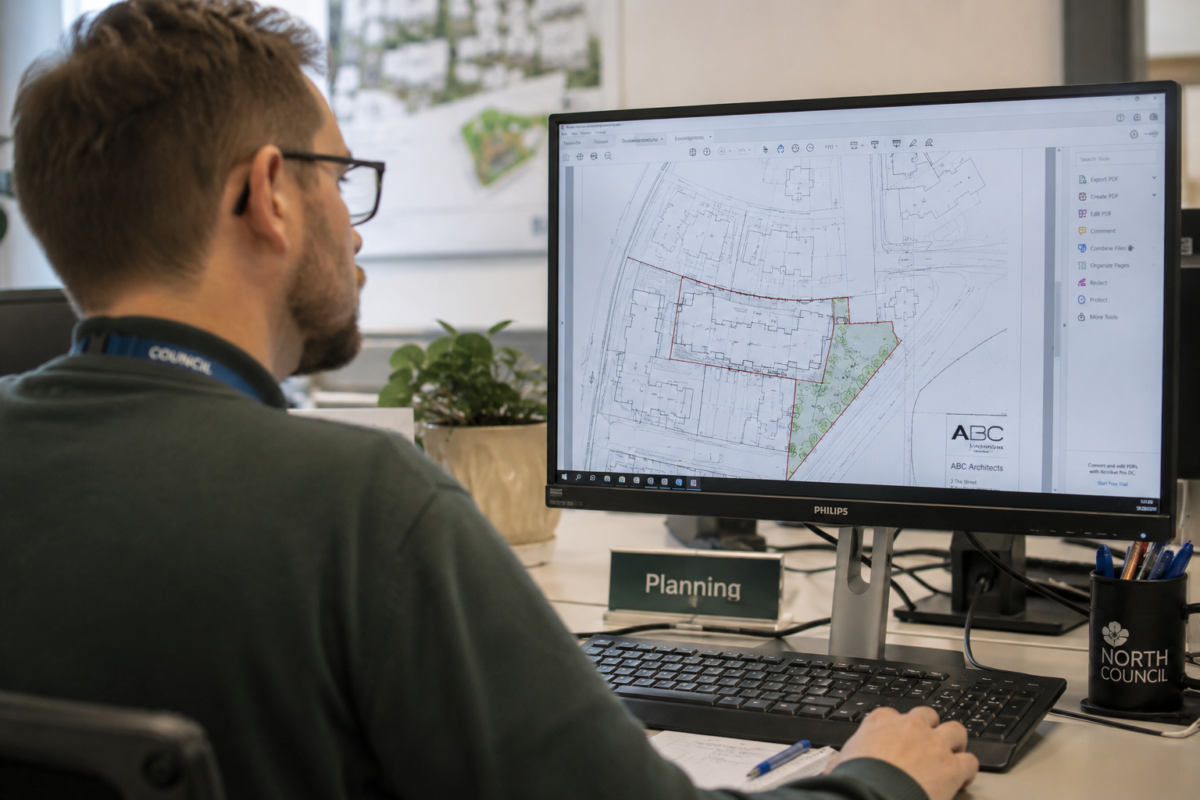



 A Pre-Application submission offers the opportunity to test the principle of development and secure informal views on a scheme. Some feedback also highlights how a scheme might need to be amended to make it more acceptable prior to formal submission which is helpful to have this guidance at an early stage.
 Pre-Application submissions are a great opportunity to provide high-level information about a proposal without the commitment of a full suite of technical reports being required. This allows the Council to provide an initial secure and informal view and allows them to influence proposals without the cost and resources associated with a formal application. Mostly Pre-Applications remain confidential so any proposals are not usually publicised externally which can be helpful with any local sensitivities or commercial considerations.
 If a positive Pre-Application is received this can be a positive addition to support any land-sale if a site is looking to be disposed of. Whilst a positive Pre-Application is not a guarantee for future success it can be used to support any future application and sets out the positive approach that has been taken to Council engagement.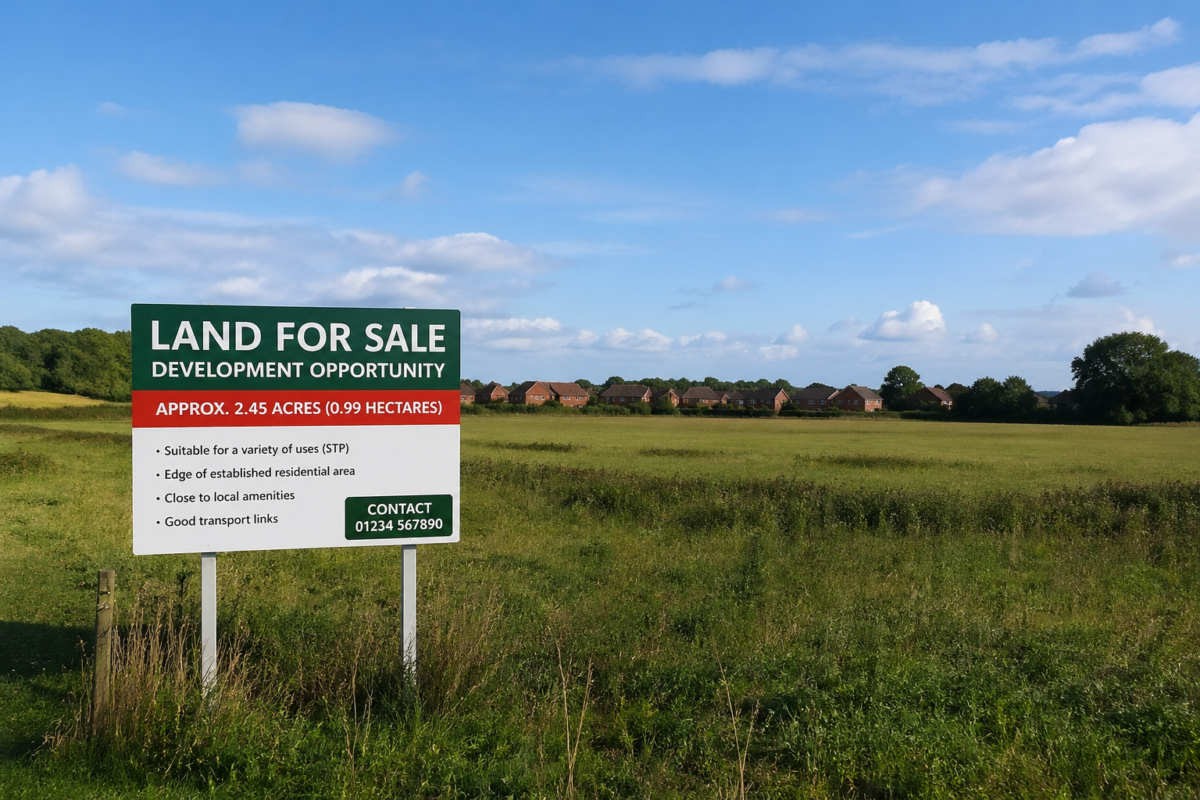
 A Pre-Application submission helps to alert Officers to the potential for further formal submissions in the future. If Officers have had previous involvement with a Pre-Application enquiry it can put any subsequent submission in a more positive light as it isn’t being presented ‘cold’ to the Council. Officers often appreciate this approach.
 Once a formal submission has been made following a Pre-Application enquiry, Officers will often consider this in the context of how open/flexible they are to negotiations/receiving amended/additional information. Many Councils will be more amenable to discussions if a Pre-Application was submitted initially, so beginning with this process can provide additional benefits.
 A Pre-Application response can highlight any technical matters which are likely to be significant as part of any formal application to allow time/resources to be allocated prior to a submission and hopefully lessen the risk of not securing Officer support. A Pre-Application response also often provides a list of information which will be required for validation which can save time and money in the long run!
 Once good working relationships have been established with Officer during a Pre-Application it can often result in early notice of any key relevant events at the Council e.g. notification of a Call for Sites which can be helpful to get ahead of the curve of the process.