

Categories
Industry Knowledge News Team News

Introduction to Warner Planning

Introduction to Warner Planning

Welcome to the Warner Planning site. In our first blog we wanted to introduce ourselves and give you the chance to get to know us a little better.

Best to start with what we do.

In a nutshell, we are planning consultants. We support developers, landowners, and domestic clients across Hertfordshire, Buckinghamshire, Bedfordshire (Home Counties) and the UK. We help our clients navigate the ever-changing and complicated planning system to make sure they can achieve the best possible outcome for their project, whether it be residential or commercial.

Our approach is to provide transparent, honest and efficient advice at every stage of the process. With our technical knowledge and experience, we work to solve your planning problems. Above everything, our aim is to provide our clients with clear, professional and honest advice.

So, what do planning consultants help with?

In the world of planning, there are a number of areas where we can help our clients. Here is a quick breakdown of the areas that we specialise in.

  • Planning Application Consultancy
  • Planning Appraisals and Advice
  • Discharge of conditions
  • Initial Advice and Pre-Application Submissions
  • Strategic Development Planning and Plans
  • Permitted Development
  • Community Infrastructure Levy/Section 106 Agreements and other Obligations
  • Appeals
  • Health Impact Assessments 

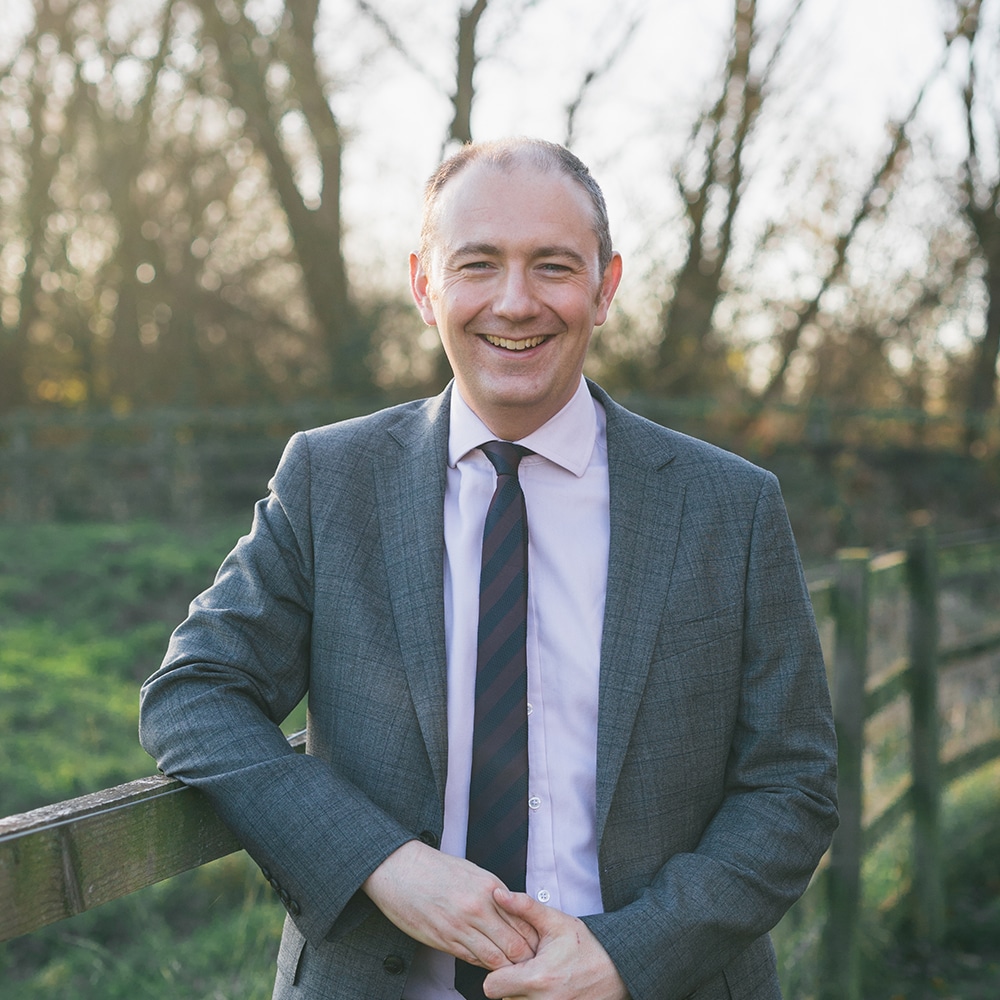
Simon Warner
Managing Director

Simon has over 15 years experience in the planning industry and at the beginning of 2020, he decided to start his own consultancy, which is where we were born!

Believe it or not though, prior to becoming a Town Planner, Simon had aspirations to be a weatherman. He even auditioned at the BBC!
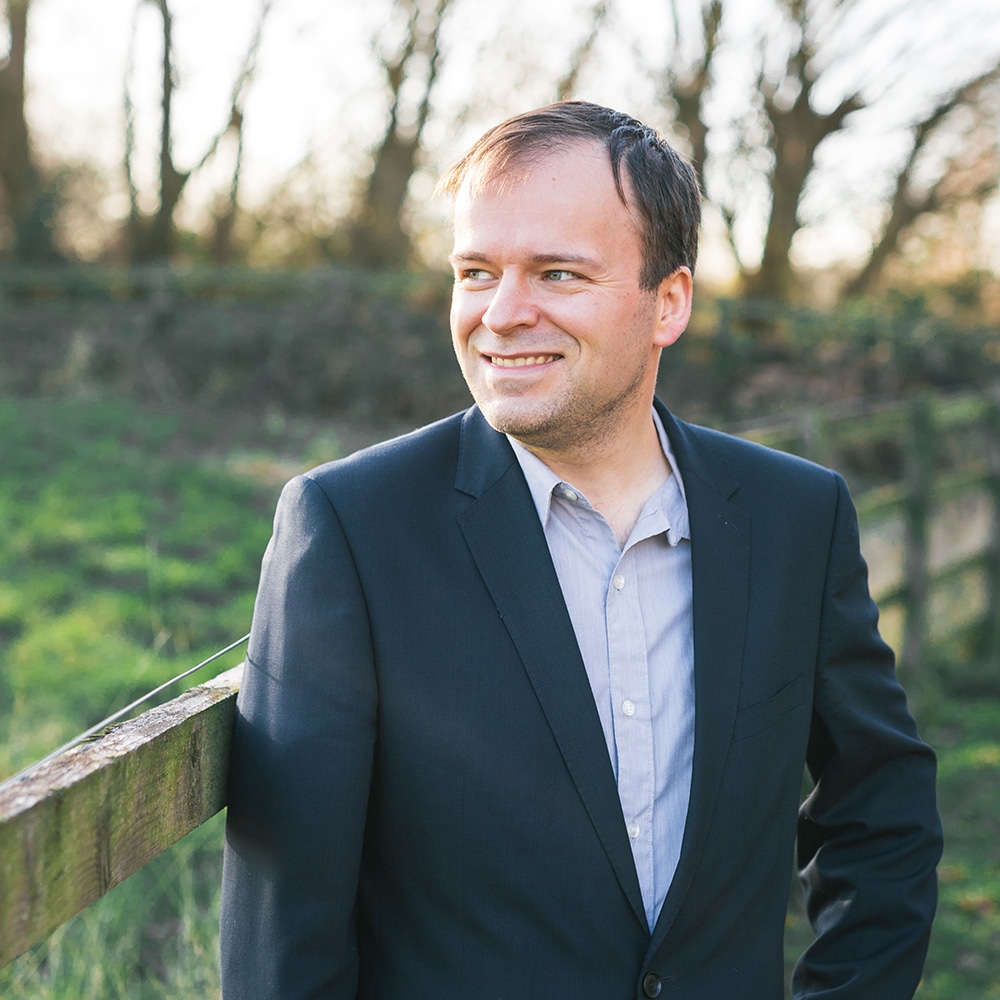
Michael Aronson 
Town Planner

Our newest member of the Warner Planning team, Michael is a Town Planner.

When he isn’t helping our clients with their projects, Michael enjoys travelling when he can. His favourite experience so far is a four day hike in the mountains to Macchu Picchu in Peru. He is the fourth boy in a family with five brothers. His favourite subject at school was geography, and he now has a collection of globes, maps and atlases.

Michael’s most unusual job was issuing and collecting fines from people falsely claiming free prescriptions and sight tests from the NHS.

He’s assured us that he much prefers life as a Town Planner! 😊
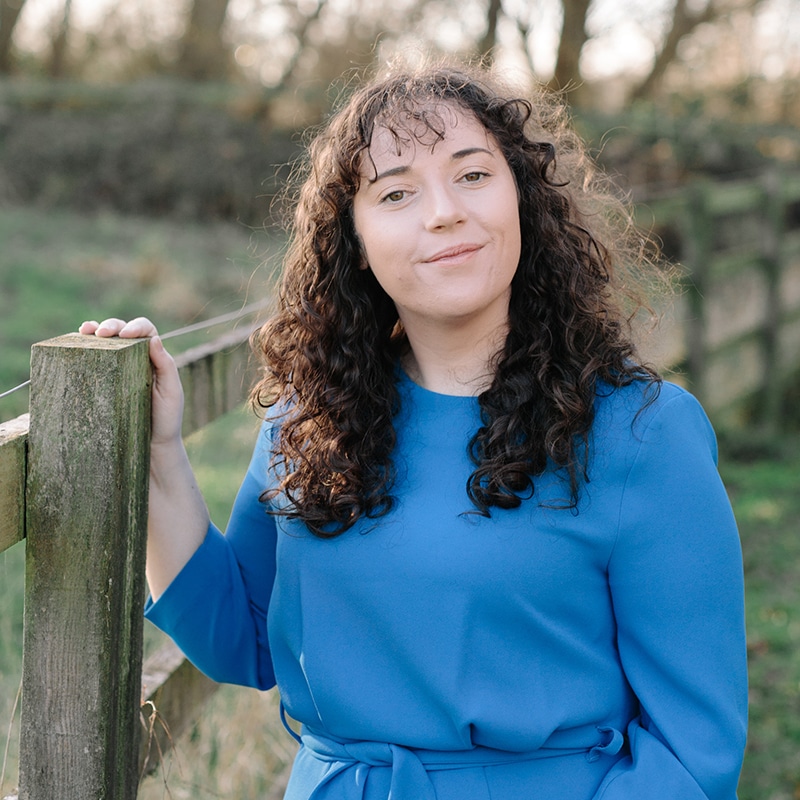
Catrin Davies
Assistant Planner

Catrin has been with us for 7 months as an Assistant Planner. Catrin works on all aspects of planning, ranging from listed buildings, certificates of lawfulness and strategic planning, all the way through to residential and commercial developments. She advises clients on the planning process from start to finish whilst conducting all of the necessary appraisals, reports and applications in between.

Aside from work, Catrin enjoys Cooking, Walks, Socialising (when allowed).

When I set the business up back in Feb 2020, I didn't think that after 5 years we would have a team of six. It's been great to see the business grow and bring new people into the business. Long may it continue!

How to get in touch…

If you are looking for advice on a project that you have started or are looking to start, let’s have a chat. We’d be happy to help.

All of our contact details are below👇🏼

T:01908 592580
E: info@warnerplanning.co.uk

Recent Posts

Roald Dahl Day!

To celebrate Roald Dahl Day we wondered what sort of planning permission would be needed for some of the places that Roald created in his books?

Back British Farming – A spotlight on Agricultural Planning Applications

At a time when the difficulties facing British Farming are very much in the spotlight, here at Warner Planning we help farmers and landowners navigate a range of rural planning opportunities, such as new or replacement agricultural buildings, farm diversification, barn conversions, renewable energy and rural tourism.

Categories
News Team News

Warner Planning Litter Picking Challenge

Warner Planning Litter Picking Challenge

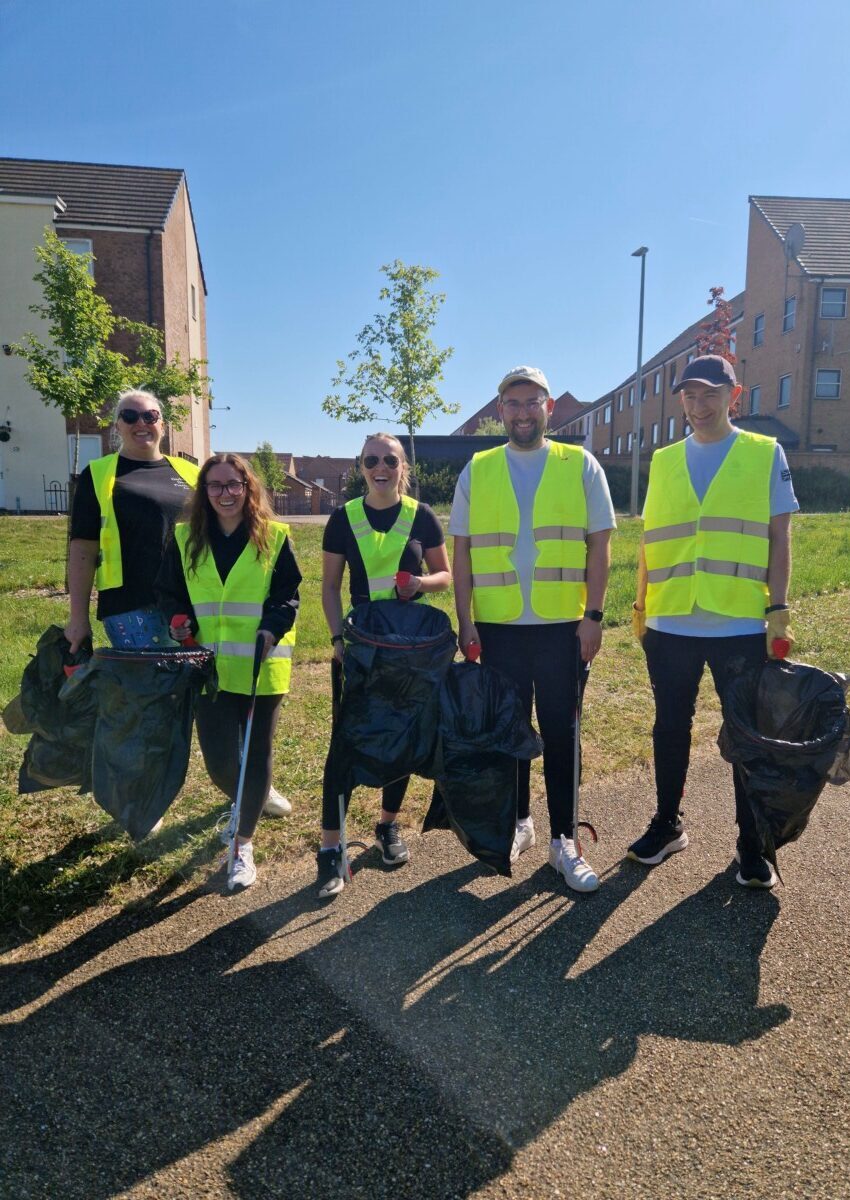
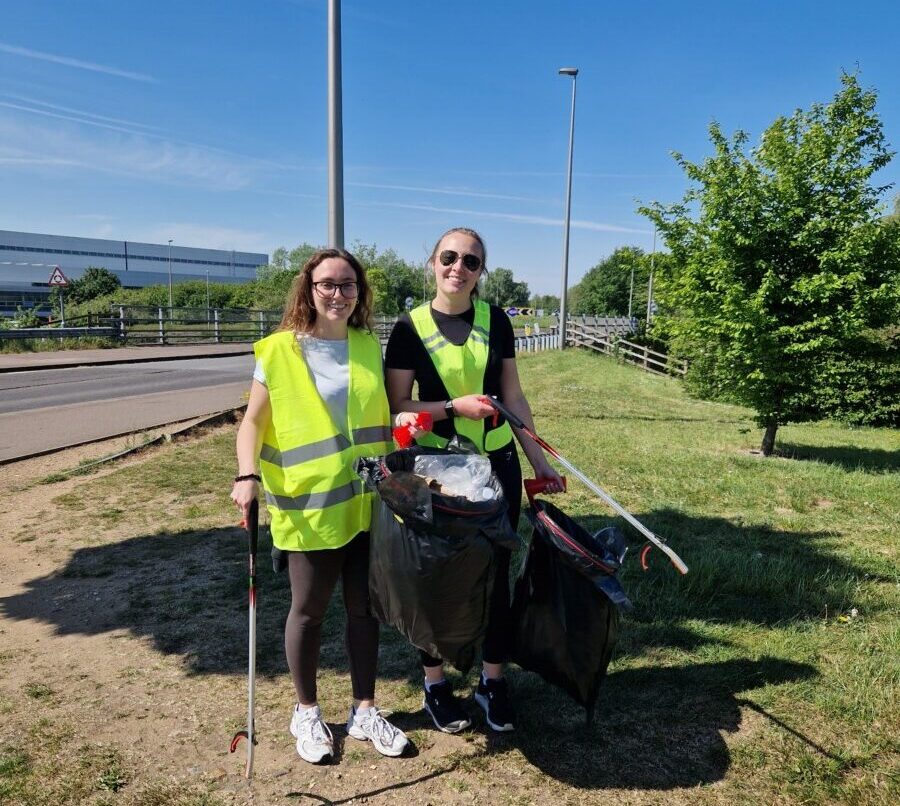
The Warner Planning Team were proud to take part in our own Litter Picking challenge in the green space areas around our office in Broughton, Milton Keynes 🌳.

Our most recent team challenge had the Warner Planning team head out from our office in Broughton, Milton Keynes armed with litter picking equipment borrowed with thanks from Broughton and Milton Keynes Parish Council.

The six of us were able to cover a large area of green space, hedgerows, parks and footpaths in the area and in a short time managed to fill 6 large bags with litter which was later collected by Milton Keynes Council. 

How to get in touch…

Having a consultant involved in your project, is a great way to reduce the risk of errors and it can drastically speed up the timeline for achieving planning permission.

If you think you need support with your project, we’d be happy to help.

You can contact us directly via the details below, or if you would prefer, you can fill in the form below and one of the team will be in touch.

T: 01908 592580
E: info@warnerplanning.co.uk

Recent Posts

Planning Myth “You Cannot Develop on the Green Belt”

A long standing planning myth is that once an area is designated as Green Belt, that it cannot then be developed and whilst there may be more restrictions on what can be done, there are still opportunities for certain sites in the Green Belt.

Back to School? A lesson in S106 Agreements!

Planning applications might not be the first thing you relate to schools, but they are strongly linked, particularly with residential development where families with children might be moving into a new area. As part of the planning process developers and applicants are often required to make financial contributions towards various services, infrastructure and facilities.

Categories
Industry Knowledge News Planning Advice

What is Biodiversity Net Gain (BNG) ?

What is Biodiversity Net Gain (BNG) ?

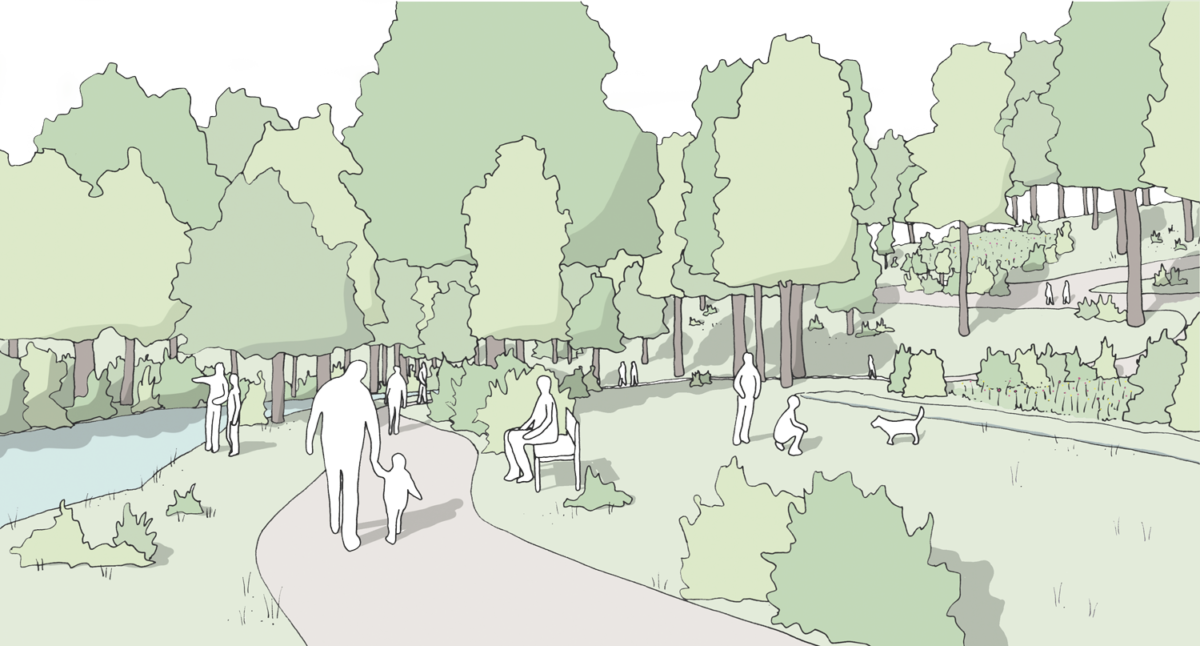
In February 2024 a new law was implemented in England which makes it a requirement for all new road and housing developments to achieve a 10% net gain in biodiversity or habitat.

This law will ensure that much needed housing can be provided in England, but it will not come at a cost to our green space, as habitats for wildlife must be left in a measurably better state that they were prior to development.   

Biodiversity is measured in standardised units depending on size, quality, location and type and should be measured by an ecologist who can measure the existing biodiversity value and advise on suitable measures to create or enhance biodiversity.

The Statutory Biodiversity Metric Tool must be used to calculate the required number of biodiversity units required to achieve BNG.

Does this affect me?

Yes, if you are a developer of small sites or major developments, or for nationally significant infrastructure projects from late November 2025.  You will also need to know the new rules if you are a Local Planning Authority or a Land Manager looking to sell in the BNG market.

Your development should try to avoid loss of habitats, and the 10% Biodiversity Net Gain can be achieved either on-site or off-site buy purchasing statutory biodiversity credits.

What developments are exempt from BNG?

  • Planning applications made before the 12th of February 2024.
  • Variations to existing planning permissions.
  • Development that does not impact a priority habitat and impacts less than 25 square metres (5m x 5m) of on-site habitat or 5 meters of on-site linear habitats such as hedgerows.
  • Self-Build and Custom build applications where the LPA are satisfied that the final occupiers have had primary input into the final design and layout and the development is exclusively self-build or custom build dwellings, is of no more than 9 dwellings and on a site no larger than 0.5 hectares.
  • Householder applications are exempt due to the expected low impact on biodiversity.

How can I achieve Biodiversity Net Gain on my project?

Biodiversity Net Gain can be achieved through onsite biodiversity gains, registered offsite biodiversity gains or by purchasing statutory biodiversity credits.

What do I need to do when submitting a planning application?


Firstly, you will need to confirm if your development is exempt from BNG. If it is not exempt, information will need to be submitted with your planning application that details how you will meet the 10% BNG objective including how you propose to achieve enhancements on-site.

What happens after I have achieved planning permission?


Following the grant of planning permission a Biodiversity gain condition will need to be discharged, by completing a Biodiversity gain plan which will show how the development will achieve BNG. Until this has been approved, development cannot begin.

How to get in touch…

Having a consultant involved in your project, is a great way to reduce the risk of errors and it can drastically speed up the timeline for achieving planning permission.

If you think you need support with your project, we’d be happy to help.

You can contact us directly via the details below, or if you would prefer, you can fill in the form below and one of the team will be in touch.

T: 01908 592580
E: info@warnerplanning.co.uk

Recent Posts

Bedford Borough Call for Sites 2026

The preparation of the new “Bedford Borough Local Plan 2050” is now underway. The new plan will establish a long-term vision for the Borough, identifying where new homes, employment opportunities, infrastructure and green spaces will be delivered over the next 25 years.

World Population Day 2026

Planning is at the forefront of increasing population growth with placemaking and place-shaping through strategic planning decisions which must carefully balance existing and future needs and resources.