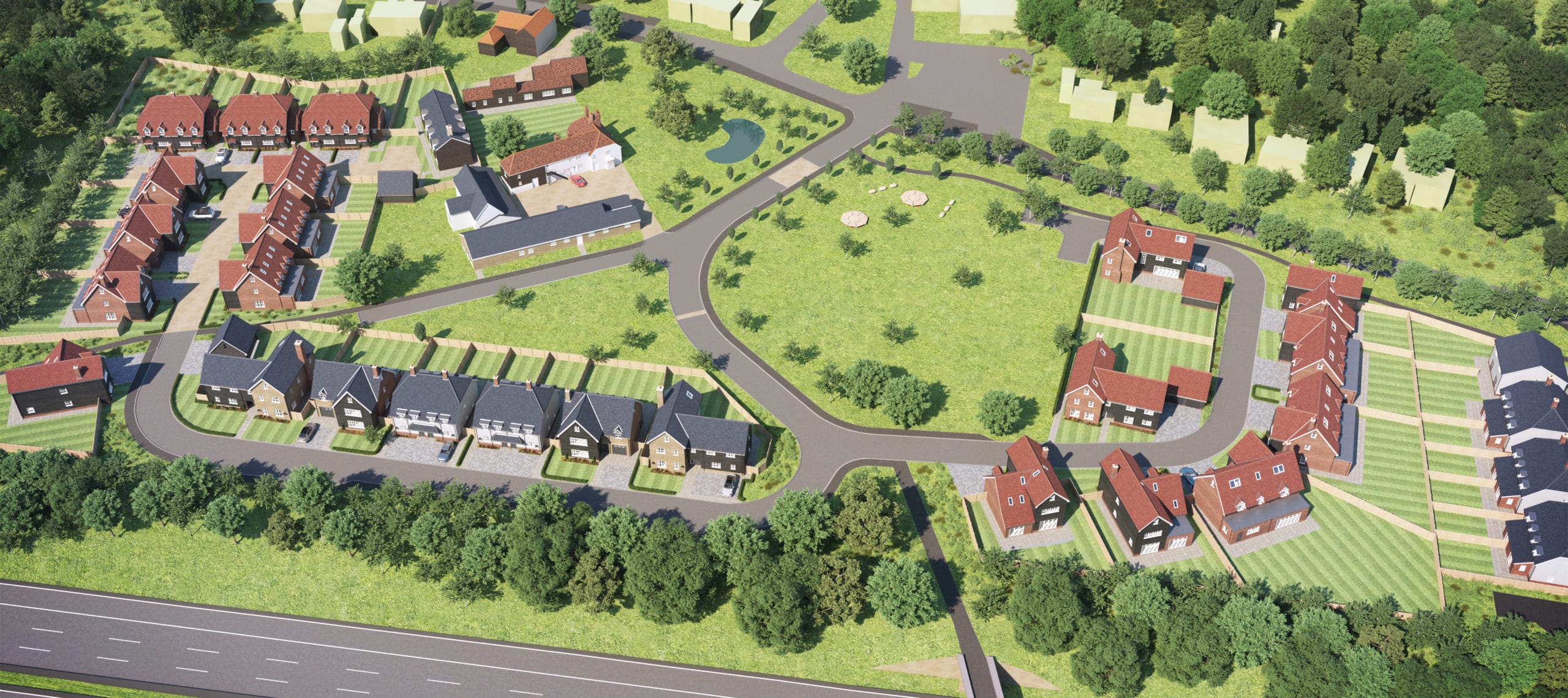

When people think about planning applications, they often think of drawings, policies and consultations. However, planning can also play a crucial role in uncovering and protecting Britain's hidden heritage.
Before many developments can proceed, archaeological assessments may be required to establish whether a site contains remains of historical significance. Over the years, this process has led to the discovery of extraordinary archaeological finds that have transformed our understanding of Britain's past.
How Planning Helps Discover History
The planning system requires local planning authorities to consider the impact of development on heritage assets, including archaeological remains.
Where a site has archaeological potential, applicants may be required to undertake:
• Desk-based assessments
• Geophysical surveys
• Trial trenching
• Archaeological excavations
While these investigations can sometimes be viewed as an additional step in the planning process, they regularly uncover evidence of past communities that would otherwise remain hidden forever.
Remarkable Discoveries Made Through Development
Anglo-Saxon Cemetery Found Before Housing Development
Ahead of residential development projects across England, archaeologists have uncovered previously unknown Anglo-Saxon burial grounds containing jewellery, weapons and personal possessions. These discoveries have provided valuable insights into how communities lived and commemorated their dead more than 1,500 years ago.
Roman Settlements Beneath Modern Fields
Numerous housing and commercial developments have revealed extensive Roman settlements, villas and road networks. In some cases, entire communities complete with workshops, homes and burial grounds have been identified during pre-construction investigations.
These discoveries help historians better understand the spread of Roman Britain and how people lived outside major towns.
Major Discoveries During HS2
The archaeological work undertaken in advance of the construction of HS2 has uncovered thousands of archaeological features spanning more than 6,000 years of history.
Finds have included:
• Prehistoric ceremonial monuments
• Roman settlements
• Medieval villages
• Ancient burial sites
• Evidence of early industrial activity
Many of these discoveries would likely never have been investigated without the development project.

Medieval Villages Lost to Time
Planning-led excavations have revealed entire medieval settlements that disappeared centuries ago. Archaeologists have uncovered house foundations, streets, workshops and everyday objects, helping to recreate how people lived in medieval Britain.
Archaeological Discoveries Uncovered Through Development in Milton Keynes and Buckinghamshire
One of the best recent examples occurred in Olney, where archaeological investigations undertaken ahead of a proposed supermarket development uncovered a remarkably well-preserved Roman mosaic. Archaeologists also found evidence of a Roman villa, bath house and associated structures. Following the discovery, the development proposals were amended to help protect the remains.

Recent archaeological work associated with the expansion of Milton Keynes East has revealed extensive Iron Age and early Roman settlement activity, adding to the growing picture of how the area was occupied long before the New Town existed. These discoveries have been showcased through local archaeology events organised by the City Council.

Balancing Development and Heritage
A common misconception is that archaeology prevents development from taking place. In reality, the planning system aims to balance the need for growth with the protection and recording of heritage assets.
Most archaeological discoveries do not stop development. Instead, they are carefully investigated, recorded and preserved where appropriate before construction continues.
This approach ensures that important historical information is not lost while still allowing new homes, infrastructure and employment opportunities to be delivered.
Conclusion
Every planning application has the potential to uncover a forgotten chapter of Britain’s history. From Roman settlements and Anglo-Saxon cemeteries to medieval villages and prehistoric monuments, some of our most fascinating archaeological discoveries have come about because development prompted archaeologists to investigate what lay beneath the surface.
The next time you see a housing development or major infrastructure project being built, it is worth remembering that the planning process may have already helped uncover centuries, or even millennia, of hidden history beneath the ground.

Further reading:
Archaeology – HS2 What we’ve found
Eastern and Western Expansion, Milton Keynes — Border Archaeology
Planning and Archaeology – Historic England Advice Note 17 | Historic England
Archaeology in the planning process | Wessex Archaeology
Stonehenge and planning archaeology in England – Scribe in the House of Life: Hannah Pethen Ph.D.
How to get in touch…
Having a consultant involved in your project, is a great way to reduce the risk of errors and it can drastically speed up the timeline for achieving planning permission.
If you think you need support with your project, we’d be happy to help.
You can contact us directly via the details below, or if you would prefer, you can fill in the form below and one of the team will be in touch.
T: 01908 592580 E: info@warnerplanning.co.uk
Recent Posts
Planning Myth “You Cannot Develop on the Green Belt”
A long standing planning myth is that once an area is designated as Green Belt, that it cannot then be developed and whilst there may be more restrictions on what can be done, there are still opportunities for certain sites in the Green Belt.
Back to School? A lesson in S106 Agreements!
Planning applications might not be the first thing you relate to schools, but they are strongly linked, particularly with residential development where families with children might be moving into a new area. As part of the planning process developers and applicants are often required to make financial contributions towards various services, infrastructure and facilities.
BNG Rules Update 2026
What are the BNG rules changes in 2026?







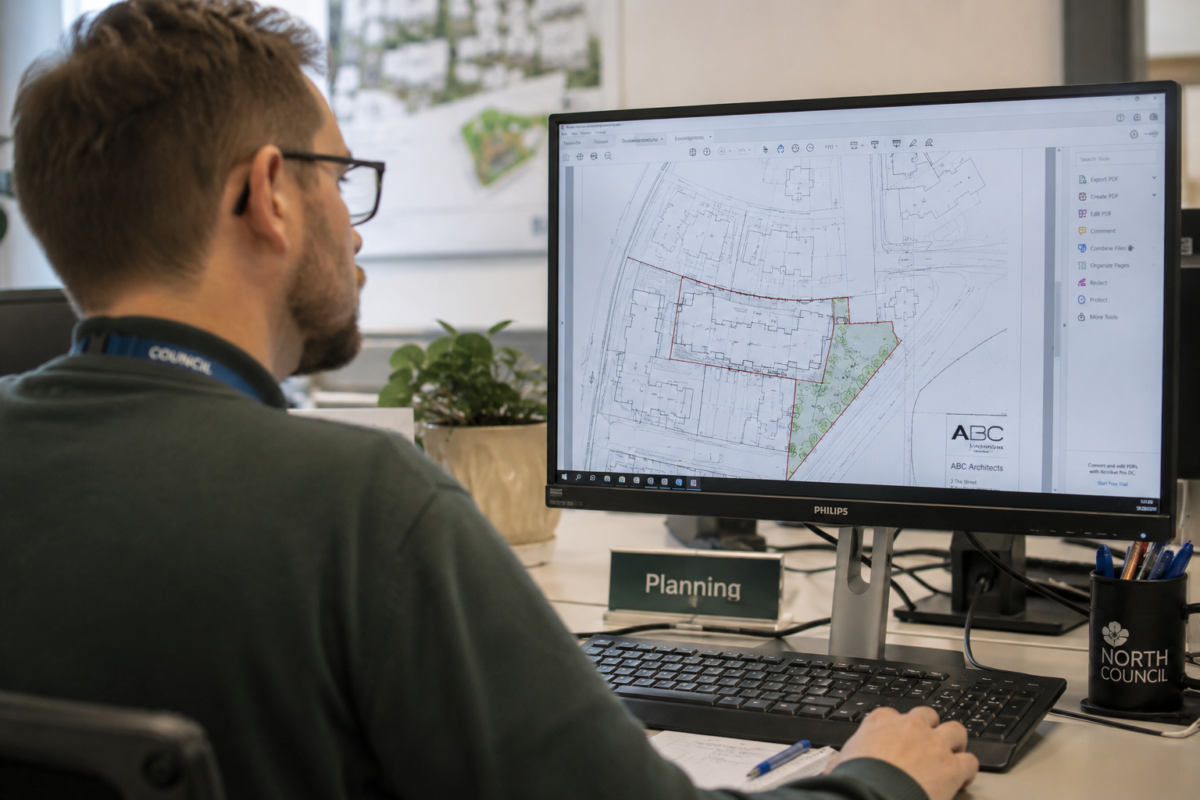



 A Pre-Application submission offers the opportunity to test the principle of development and secure informal views on a scheme. Some feedback also highlights how a scheme might need to be amended to make it more acceptable prior to formal submission which is helpful to have this guidance at an early stage.
 Pre-Application submissions are a great opportunity to provide high-level information about a proposal without the commitment of a full suite of technical reports being required. This allows the Council to provide an initial secure and informal view and allows them to influence proposals without the cost and resources associated with a formal application. Mostly Pre-Applications remain confidential so any proposals are not usually publicised externally which can be helpful with any local sensitivities or commercial considerations.
 If a positive Pre-Application is received this can be a positive addition to support any land-sale if a site is looking to be disposed of. Whilst a positive Pre-Application is not a guarantee for future success it can be used to support any future application and sets out the positive approach that has been taken to Council engagement.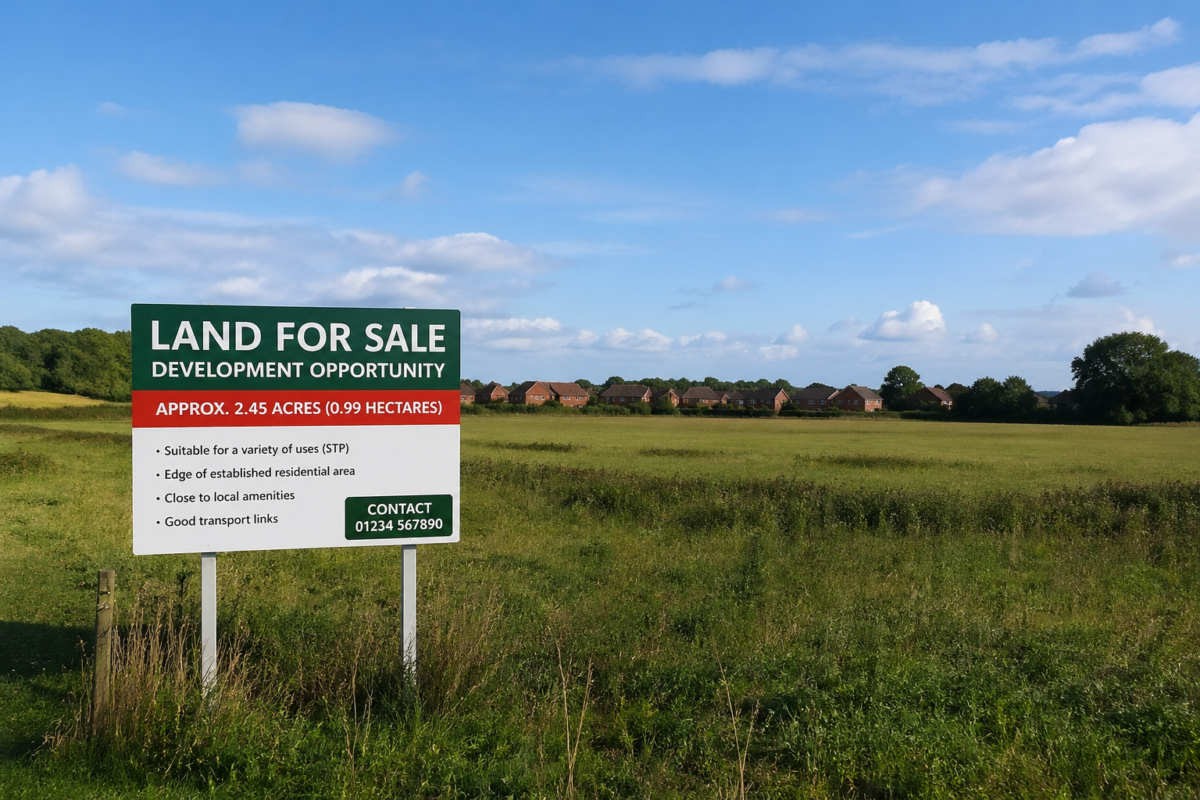
 A Pre-Application submission helps to alert Officers to the potential for further formal submissions in the future. If Officers have had previous involvement with a Pre-Application enquiry it can put any subsequent submission in a more positive light as it isn’t being presented ‘cold’ to the Council. Officers often appreciate this approach.
 Once a formal submission has been made following a Pre-Application enquiry, Officers will often consider this in the context of how open/flexible they are to negotiations/receiving amended/additional information. Many Councils will be more amenable to discussions if a Pre-Application was submitted initially, so beginning with this process can provide additional benefits.
 A Pre-Application response can highlight any technical matters which are likely to be significant as part of any formal application to allow time/resources to be allocated prior to a submission and hopefully lessen the risk of not securing Officer support. A Pre-Application response also often provides a list of information which will be required for validation which can save time and money in the long run!
 Once good working relationships have been established with Officer during a Pre-Application it can often result in early notice of any key relevant events at the Council e.g. notification of a Call for Sites which can be helpful to get ahead of the curve of the process.