

Categories
Industry Knowledge News Planning Advice

What are Material Planning Considerations in 2026?

What are Material Planning Considerations in 2026?

Once a Planning Application has been submitted to and validated by the Local Planning Authority it becomes ‘live’. In accordance with the Council’s individual processes there will be communication with the local community to notify them of the application. This communication will offer an opportunity to express views on the proposal and might be carried out in a number of different ways including notices in the press, letters posted to your home and notices posted nearby to the site.

There are however only certain matters that will be accepted as ‘material planning considerations.’ It is important to focus any comments on these topics. The list below is a helpful guide if you are notified about an application and wish to make a representation or comment to the council:

Overlooking and Loss of Privacy

If an application proposes built form that may increase a relationship between two properties this might constitute overlooking or loss of privacy. Most Local Authorities will assess an application by measuring distances between buildings to make sure that any new development will not cause harm to any the living conditions of any occupiers. 

Loss of Light and Overshadowing

If an application proposes new development which would create a building that is taller than the existing the Council will consider if this will potentially cause any harm to the occupiers of nearby buildings. Any development should not be constructed so close or built so tall to an existing property such that their enjoyment and amenity is affected.

Parking

Most Councils will have published Parking Standards on their website. These Standards will specify the required number of parking spaces for any application proposed. The Standards will vary depending upon the exact location of the development, the type of application and will also specify different types of spaces required e.g. HGV parking, accessible spaces and cycle storage.

Highway Safety and Traffic

In addition to the required number of spaces, a planning application will also have to demonstrate that vehicles can safely enter and exit a site and manoeuvre within it. Furthermore, proposals will also need to make sure that any additional traffic movements can be accommodated within the highway network. New junctions or changes to junctions will also need to safe and not cause harm to highway safety. Routes for other uses including pedestrians and cyclists will also be considered. Councils will prioritise the use of Public Transport and sustainable travel options.

Noise

For applications where additional noise might be generated particularly proposals which are for commercial/industrial activities the Council will often require detailed information relating to noise. Applications will be assessed on the grounds of whether any additional noise would cause harm to the living conditions of any nearby occupiers. The Council may impose conditions that should an application be approved the hours of operation might be restricted. The Council will usually seek technical advice from Environmental Health Officers or Regulatory Services to make sure that impacts from additional noise will be limited.

Heritage and Historic Considerations

If an application falls within a designated Conservation Area or relates to a Listed Building (or both!) or is close to these the Council’s specialist Officers will consider any impact. The Council may require particular materials be used to ensure that impact is minimised and will often request that additional details are provided to make sure that construction would not harm any historic buildings. If a local area has a special and unique appearance or layout the Council may also take this into account. The Council will also use mapping systems and historic records to consider archaeological matters to ensure that any proposed works are not harmful to sites of archaeological importance. 

Historic England

Layout and Density

Any application will need to make sure that there is not too much being constructed within a site. Proposals need to make sure they include enough space for circulation, gardens and landscaping. For larger schemes the Council will advise on the dwellings per hectare (dph) that should be delivered to make efficient use of more substantial sites

Design, Appearance and Materials

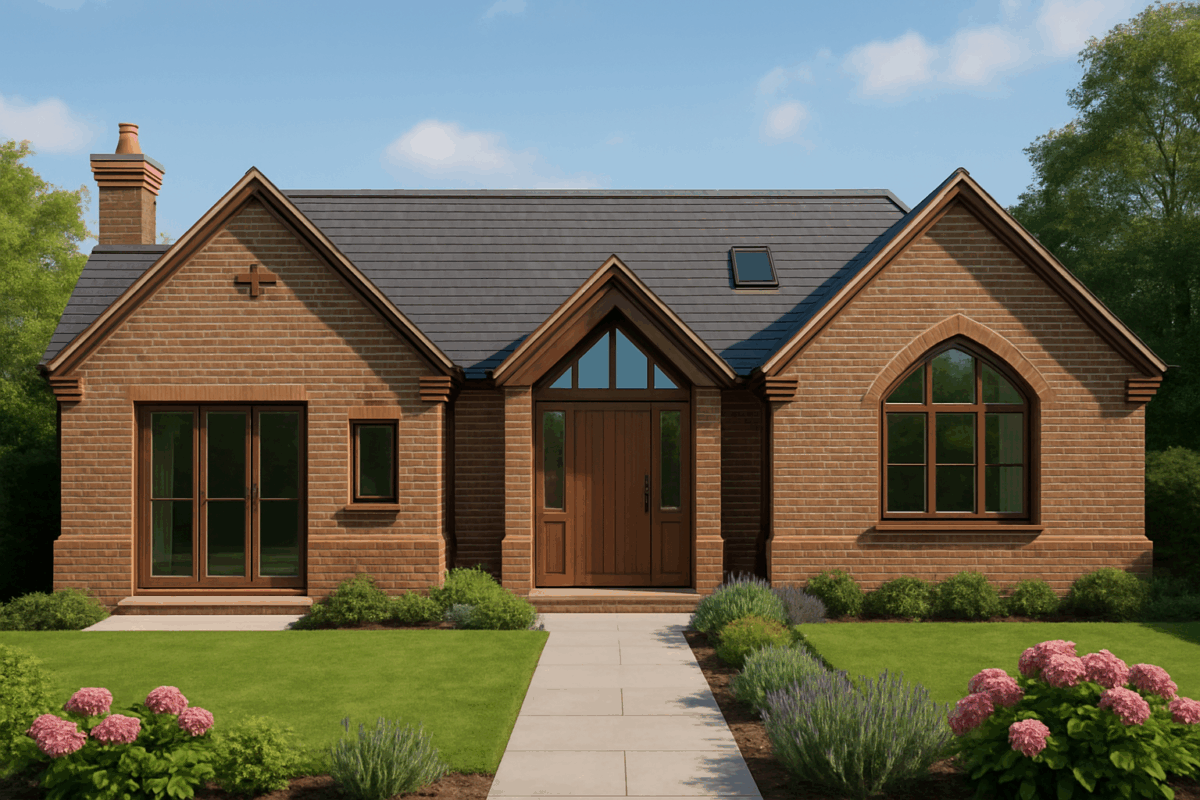
Most applications will usually need to specify how the proposal will appear once it has been completed. Other details that are required might include which materials will be used and what architectural features are included. The Council will usually try to make sure that any application is sensitive to the surroundings and would sit comfortably in the local area once built.
Accessibility

Applications for certain types of development will need to ensure that they are accessible for all groups of society including those with mobility issues and disabilities. Schemes will need to include provision for wheelchair users to live, work and socialise safely.

Historic Planning Decisions

The Council will take into account previous decisions for the site including decisions made by the Planning Inspectorate through the Appeal process. Officers will consider historic decisions to guide future outcomes in the interests of consistency and if they have been ‘tested’ through the Appeal process this will give weight in the determining any application. Whilst previous decisions will be taken in account it is important to be aware that Councils are clear that each application is considered on its own merits so if an application for a similar scheme nearby was approved it will not automatically mean that subsequent applications will have the same outcome. It can be helpful however to highlight any similar proposals if you have examples.

Planning Policies

Planning decisions will be made based on a variety of considerations and criteria but at the heart will be adopted national and local planning policies. At a national level the key document is the National Planning Policy Framework which is periodically updated and sets out the key themes, priorities and aspirations for development across the country. Locally, Council’s will have their own suite of documents which provide more detailed guidance which is particularly relevant to each Local Authority. There will be variations between the local priorities for each Authority depending on their specific characteristics and what their community needs. Officers will consider both national and local policies when making decisions.
Landscaping, Biodiversity and the Environment

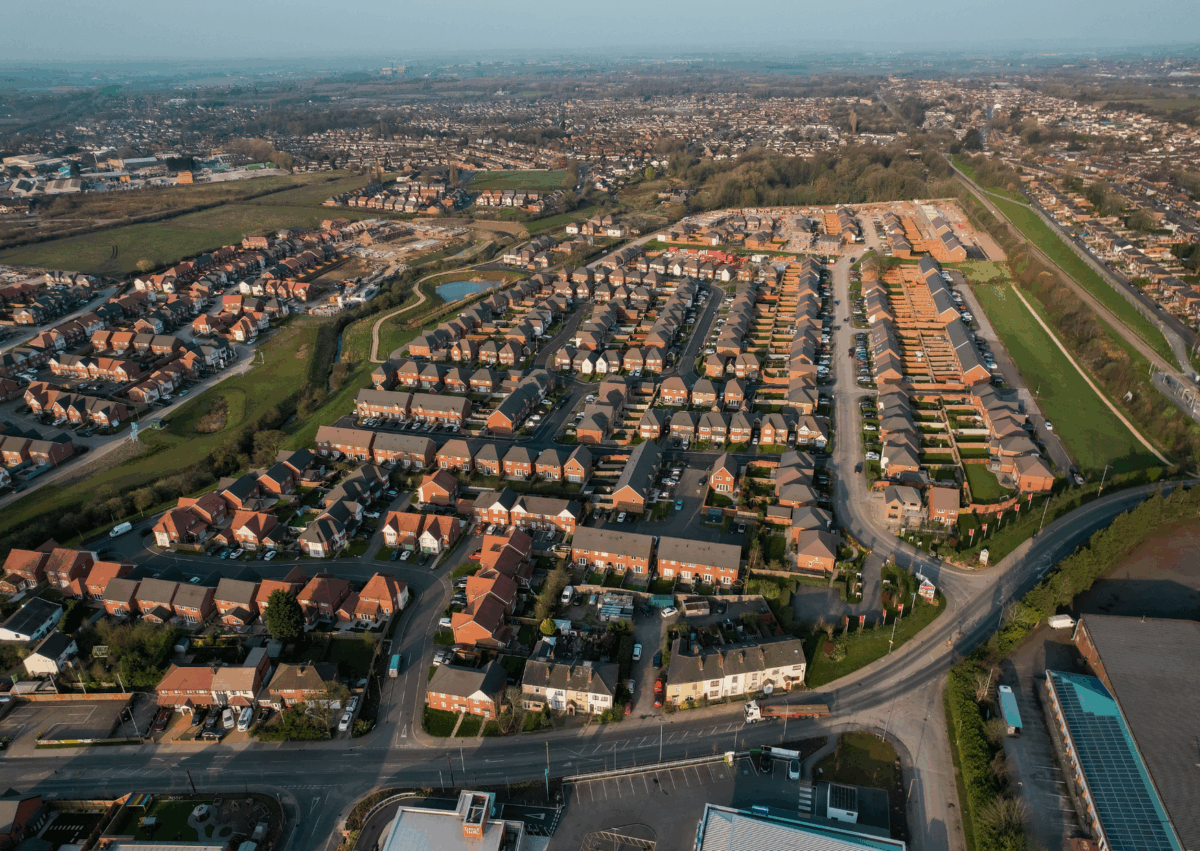
Applications which could impact an existing landscape, trees or any protected species will be considered in-line with any Statutory protections. An applicant may need to provide detailed survey information to support an application and the Local Planning Authority will consider any potential harm. Many larger proposals will need to include landscaping as part of any submission to improve the visual appearance and offer wildlife opportunities. In some cases an applicant will need to provide additional biodiversity enhancement measures to add further chances for species to thrive. In many cases planning conditions might be added to any permission to control works during nesting/breeding seasons. 

Flood Risk and Drainage

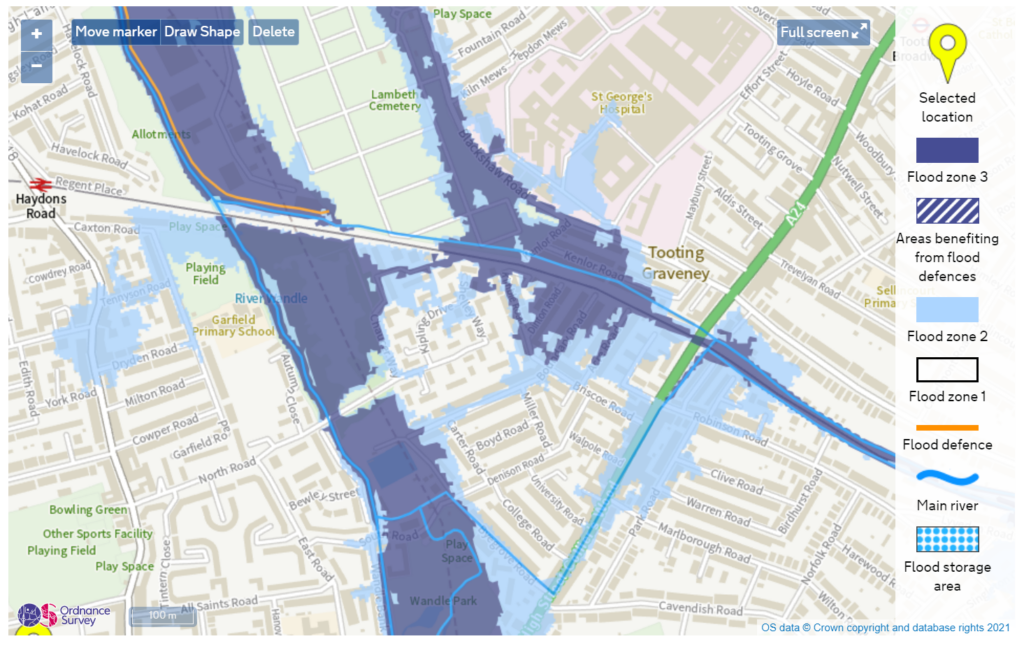
For larger applications and certain smaller schemes technical information will be needed to demonstrate how water will be managed and disposed of. National mapping systems set out flood zones and flood risks information which will inform what information is required. Drainage Consultants are often appointed to provide detailed information to demonstrate that water will be managed and development will not increase the risk of flooding elsewhere. In many cases an application will include on-site measures for dealing with water. 
Flood Map For Planning Service

Conclusions

There are other considerations which the Council will consider as part of determining an application. These matters will depend on the site location, proposed works, constraints, any statutory consultees and and wider considerations which the relevant Council have applied. 

Matters which a Council cannot consider

  • Who the applicant is and their background
  • Loss of views
  • Impact on property values
  • Loss of potential or current trade or increased business competition
  • The strength or number of public representations
  • Disturbance from construction noise during development
  • Concerns from damage to property through construction
  • Maintenance of property
  • Civil matters such as boundary disputes, covenants or other property rights
  • Public Rights of Way
  • Personal circumstances and situations are generally not a material planning consideration

How to get in touch…

Having a consultant involved in your project, is a great way to reduce the risk of errors and it can drastically speed up the timeline for achieving planning permission.

If you think you need support with your project, we’d be happy to help.

You can contact us directly via the details below, or if you would prefer, you can fill in the form below and one of the team will be in touch.

T: 01908 592580
E: info@warnerplanning.co.uk

Recent Posts

What actually is the Grey Belt?

Since its formal introduction into the National Planning Policy Framework (NPPF), all everyone seems to be talking about is Grey Belt. So we though we would provide a bit of a breakdown to assist with what actually is the Grey Belt.


Categories
Industry Knowledge News

Celebrating the 75th World Town Planning Day

Celebrating the 75th World Town Planning Day

This November, the globe celebrates the momentous World Town Planning Day 2025!

On the 8th of November people internally celebrate the role that planning has in the creation of thriving, successful, healthy and beautiful places to live and work. For those of you who love a fact or two prepare yourselves!

  • World Town Planning Day was first created in 1949 by Professor Carlos Maria della Paolera in Buenos Aires.
  • 2025 marks the 75th Anniversary of this special day!
  • Town Planning was an officially recognised Olympic event from 1912 until 1948! Amateur Architects and Planners were able to compete for medals in the same way that athletes did. The aim was to include more creative skills into the Olympics to reflect the ancient traditions of the Olympic Games which included fine arts. Many medals were awarded for the design of key sporting venues including an Olympic Stadium in Amsterdam.

Although after 1948 Town Planning was no longer included in any subsequent Olympic Games by the Internal Olympic Committee (IOC) the profile of the profession and its contribution to society was significantly raised by it’s earlier inclusion. The Planning profession globally helps to shape and manage our villages, towns and cities but also our green spaces, places to work and the infrastructure to travel between them. Whilst the process can vary from country to country it is widely accepted that Town Planning as a profession is an essential part of ensuring that the growing population has a plentiful supply of homes, places to work, socialise, study and live healthy lives. Town Planning also helps to support wider ambitions for tacking climate change, social inequality, unemployment, educational aspiration, health and wellbeing and isolation through poor infrastructure. Town Planning can also bring communities together through the planning process by engagement with those most affected by planning decisions.

There are many roles available within the Planning profession representing a number of stakeholders each with a key role to play. Some of the key organisations who oversee the professional standards of the industry and signposted below if you would like to learn more. Planning also offers a wide range of career paths in various roles depending on the skills you enjoy the most whether it’s problem solving, project management, negotiating, policy writing or placemaking!

Happy World Town Planning Day 2025!

Having a consultant involved in your appeal, is a great way to reduce the risk of errors and it can drastically speed up the timeline for achieving planning permission.

Contact us to discuss your needs and let’s see if we can help you.

How to get in touch…

You can contact us directly via the details below, or if you would prefer, you can fill in the form below and one of the team will be in touch.

T: 01908 592580
E: info@warnerplanning.co.uk

Recent Posts

Roald Dahl Day!

To celebrate Roald Dahl Day we wondered what sort of planning permission would be needed for some of the places that Roald created in his books?

Back British Farming – A spotlight on Agricultural Planning Applications

At a time when the difficulties facing British Farming are very much in the spotlight, here at Warner Planning we help farmers and landowners navigate a range of rural planning opportunities, such as new or replacement agricultural buildings, farm diversification, barn conversions, renewable energy and rural tourism.

Categories
News Team News

Meal Box Packing at St Mark’s Meals

Meal Box Packing at St Mark’s Meals

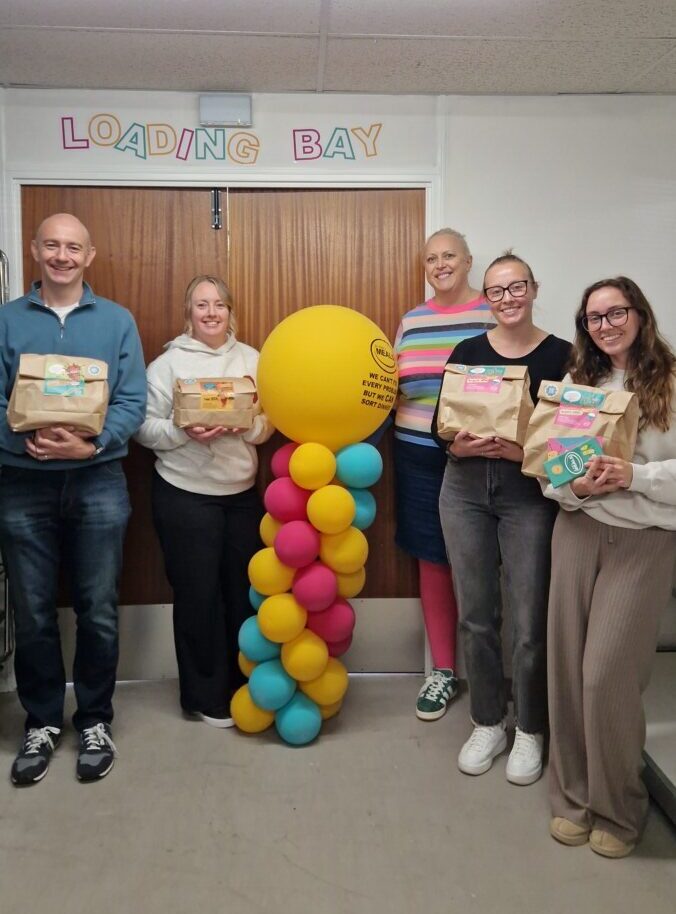
The Warner Planning Team were proud to return to St Mark's Meals in Milton Keynes this October

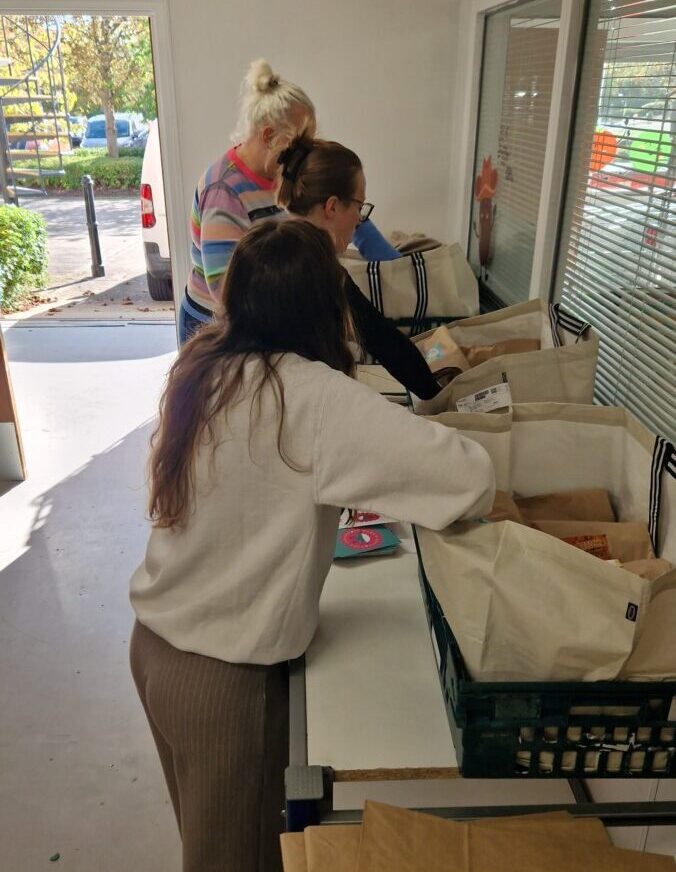
The team spent time packing meal boxes which go out to local schools and community groups in Milton Keynes and are then distributed to families in need to ensure children do not go to bed hungry. 

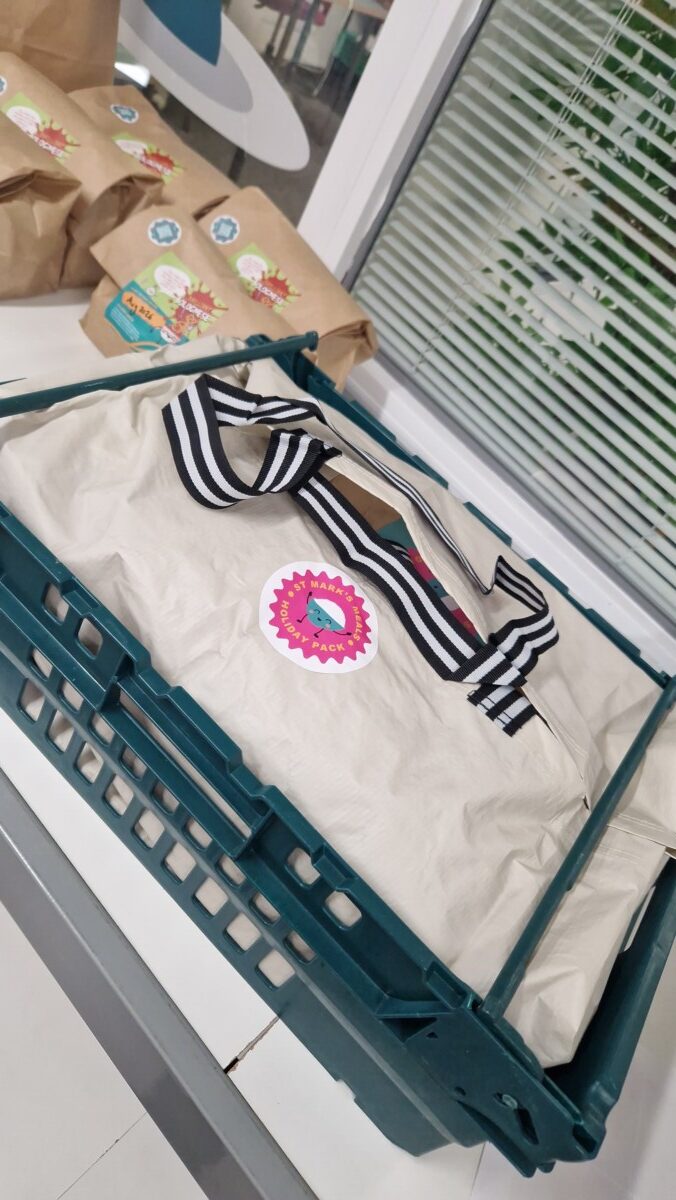
On this visit we were also packing Holiday Packs containing 5 meal boxes to be distributed to help feed families over October half term.  

Each meal box contains all the ingredients needed to cook a nutritious meal for 4 people as well as a recipe card and a link to child or teenage friendly video tutorials. 

We are excited to continue our partnership with this vital local charity with more details to come!

To see how you can also support St Mark’s Meals please visit stmarksmk.com/st-mark-s-meals/

#stmarksmeals #NoChildShouldGoTobedHungry #localcharity #miltonkeynes 

How to get in touch…

Having a consultant involved in your project, is a great way to reduce the risk of errors and it can drastically speed up the timeline for achieving planning permission.

If you think you need support with your project, we’d be happy to help.

You can contact us directly via the details below, or if you would prefer, you can fill in the form below and one of the team will be in touch.

T: 01908 592580
E: info@warnerplanning.co.uk

Recent Posts

Planning Myth “You Cannot Develop on the Green Belt”

A long standing planning myth is that once an area is designated as Green Belt, that it cannot then be developed and whilst there may be more restrictions on what can be done, there are still opportunities for certain sites in the Green Belt.

Back to School? A lesson in S106 Agreements!

Planning applications might not be the first thing you relate to schools, but they are strongly linked, particularly with residential development where families with children might be moving into a new area. As part of the planning process developers and applicants are often required to make financial contributions towards various services, infrastructure and facilities.

Categories
Industry Knowledge News Team News

Introduction to Warner Planning

Introduction to Warner Planning

Welcome to the Warner Planning site. In our first blog we wanted to introduce ourselves and give you the chance to get to know us a little better.

Best to start with what we do.

In a nutshell, we are planning consultants. We support developers, landowners, and domestic clients across Hertfordshire, Buckinghamshire, Bedfordshire (Home Counties) and the UK. We help our clients navigate the ever-changing and complicated planning system to make sure they can achieve the best possible outcome for their project, whether it be residential or commercial.

Our approach is to provide transparent, honest and efficient advice at every stage of the process. With our technical knowledge and experience, we work to solve your planning problems. Above everything, our aim is to provide our clients with clear, professional and honest advice.

So, what do planning consultants help with?

In the world of planning, there are a number of areas where we can help our clients. Here is a quick breakdown of the areas that we specialise in.

  • Planning Application Consultancy
  • Planning Appraisals and Advice
  • Discharge of conditions
  • Initial Advice and Pre-Application Submissions
  • Strategic Development Planning and Plans
  • Permitted Development
  • Community Infrastructure Levy/Section 106 Agreements and other Obligations
  • Appeals
  • Health Impact Assessments 

Simon Warner
Managing Director

Simon has over 15 years experience in the planning industry and at the beginning of 2020, he decided to start his own consultancy, which is where we were born!

Believe it or not though, prior to becoming a Town Planner, Simon had aspirations to be a weatherman. He even auditioned at the BBC!

Michael Aronson 
Town Planner

Our newest member of the Warner Planning team, Michael is a Town Planner.

When he isn’t helping our clients with their projects, Michael enjoys travelling when he can. His favourite experience so far is a four day hike in the mountains to Macchu Picchu in Peru. He is the fourth boy in a family with five brothers. His favourite subject at school was geography, and he now has a collection of globes, maps and atlases.

Michael’s most unusual job was issuing and collecting fines from people falsely claiming free prescriptions and sight tests from the NHS.

He’s assured us that he much prefers life as a Town Planner! 😊

Catrin Davies
Assistant Planner

Catrin has been with us for 7 months as an Assistant Planner. Catrin works on all aspects of planning, ranging from listed buildings, certificates of lawfulness and strategic planning, all the way through to residential and commercial developments. She advises clients on the planning process from start to finish whilst conducting all of the necessary appraisals, reports and applications in between.

Aside from work, Catrin enjoys Cooking, Walks, Socialising (when allowed).

When I set the business up back in Feb 2020, I didn't think that after 5 years we would have a team of six. It's been great to see the business grow and bring new people into the business. Long may it continue!

How to get in touch…

If you are looking for advice on a project that you have started or are looking to start, let’s have a chat. We’d be happy to help.

All of our contact details are below👇🏼

T:01908 592580
E: info@warnerplanning.co.uk

Recent Posts

Bedford Borough Call for Sites 2026

The preparation of the new “Bedford Borough Local Plan 2050” is now underway. The new plan will establish a long-term vision for the Borough, identifying where new homes, employment opportunities, infrastructure and green spaces will be delivered over the next 25 years.

World Population Day 2026

Planning is at the forefront of increasing population growth with placemaking and place-shaping through strategic planning decisions which must carefully balance existing and future needs and resources.

Categories
News Team News

Warner Planning Litter Picking Challenge

Warner Planning Litter Picking Challenge

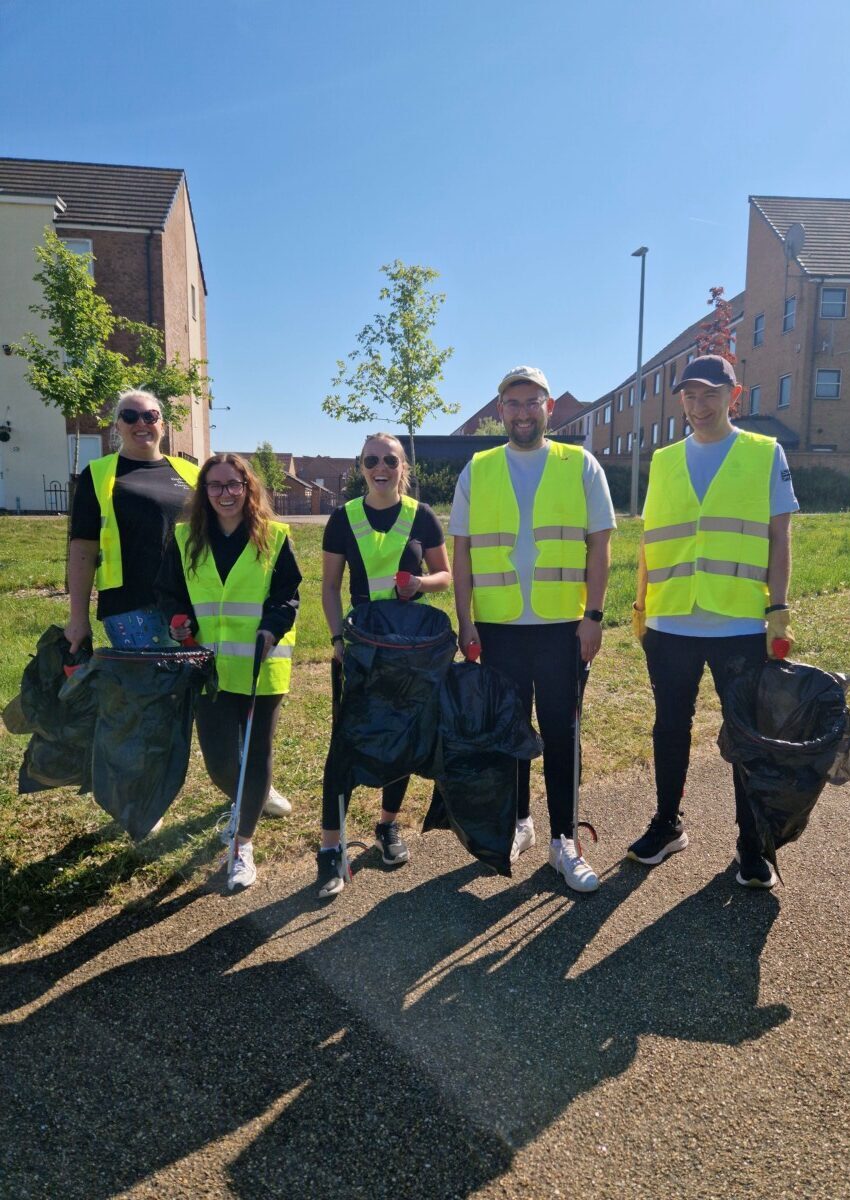
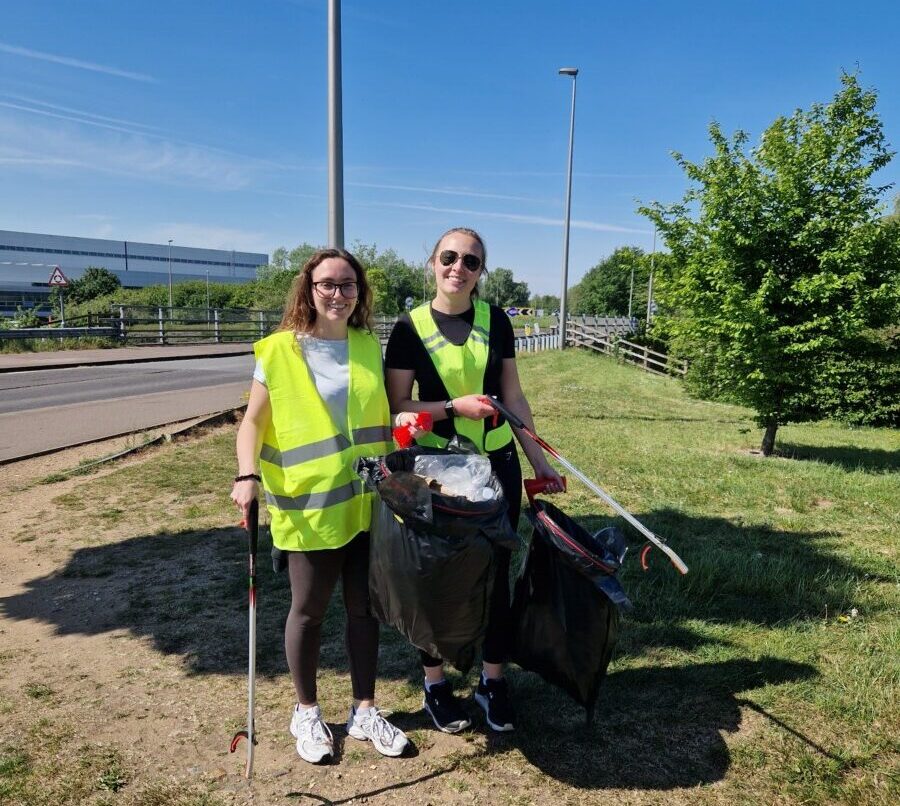
The Warner Planning Team were proud to take part in our own Litter Picking challenge in the green space areas around our office in Broughton, Milton Keynes 🌳.

Our most recent team challenge had the Warner Planning team head out from our office in Broughton, Milton Keynes armed with litter picking equipment borrowed with thanks from Broughton and Milton Keynes Parish Council.

The six of us were able to cover a large area of green space, hedgerows, parks and footpaths in the area and in a short time managed to fill 6 large bags with litter which was later collected by Milton Keynes Council. 

How to get in touch…

Having a consultant involved in your project, is a great way to reduce the risk of errors and it can drastically speed up the timeline for achieving planning permission.

If you think you need support with your project, we’d be happy to help.

You can contact us directly via the details below, or if you would prefer, you can fill in the form below and one of the team will be in touch.

T: 01908 592580
E: info@warnerplanning.co.uk

Recent Posts

What does and doesn’t count as an Annexe?

With property prices, care home costs and private renting all leading to many people struggling to afford the accommodation that they need there are families seeking a route which might be a solution. Annexes can be a great way to allow extended family members to live together, and this is popular for inter-generational living of all ages.

Categories
Industry Knowledge News Planning Advice

What is Biodiversity Net Gain (BNG) ?

What is Biodiversity Net Gain (BNG) ?

In February 2024 a new law was implemented in England which makes it a requirement for all new road and housing developments to achieve a 10% net gain in biodiversity or habitat.

This law will ensure that much needed housing can be provided in England, but it will not come at a cost to our green space, as habitats for wildlife must be left in a measurably better state that they were prior to development.   

Biodiversity is measured in standardised units depending on size, quality, location and type and should be measured by an ecologist who can measure the existing biodiversity value and advise on suitable measures to create or enhance biodiversity.

The Statutory Biodiversity Metric Tool must be used to calculate the required number of biodiversity units required to achieve BNG.

Does this affect me?

Yes, if you are a developer of small sites or major developments, or for nationally significant infrastructure projects from late November 2025.  You will also need to know the new rules if you are a Local Planning Authority or a Land Manager looking to sell in the BNG market.

Your development should try to avoid loss of habitats, and the 10% Biodiversity Net Gain can be achieved either on-site or off-site buy purchasing statutory biodiversity credits.

What developments are exempt from BNG?

  • Planning applications made before the 12th of February 2024.
  • Variations to existing planning permissions.
  • Development that does not impact a priority habitat and impacts less than 25 square metres (5m x 5m) of on-site habitat or 5 meters of on-site linear habitats such as hedgerows.
  • Self-Build and Custom build applications where the LPA are satisfied that the final occupiers have had primary input into the final design and layout and the development is exclusively self-build or custom build dwellings, is of no more than 9 dwellings and on a site no larger than 0.5 hectares.
  • Householder applications are exempt due to the expected low impact on biodiversity.

How can I achieve Biodiversity Net Gain on my project?

Biodiversity Net Gain can be achieved through onsite biodiversity gains, registered offsite biodiversity gains or by purchasing statutory biodiversity credits.

What do I need to do when submitting a planning application?


Firstly, you will need to confirm if your development is exempt from BNG. If it is not exempt, information will need to be submitted with your planning application that details how you will meet the 10% BNG objective including how you propose to achieve enhancements on-site.

What happens after I have achieved planning permission?


Following the grant of planning permission a Biodiversity gain condition will need to be discharged, by completing a Biodiversity gain plan which will show how the development will achieve BNG. Until this has been approved, development cannot begin.

How to get in touch…

Having a consultant involved in your project, is a great way to reduce the risk of errors and it can drastically speed up the timeline for achieving planning permission.

If you think you need support with your project, we’d be happy to help.

You can contact us directly via the details below, or if you would prefer, you can fill in the form below and one of the team will be in touch.

T: 01908 592580
E: info@warnerplanning.co.uk

Recent Posts

Categories
Industry Knowledge News Planning Advice

Six scenarios where a Planning Consultant can help you in 2025

Six scenarios where a Planning Consultant can help you in 2025

Trying to get planning permission for a project, whether it is residential or commercial, can be stressful. There are lots of moving parts and a variety of things that need to be considered before planning permission can be granted.

But, despite the complexities of the process itself, many people don’t fully understand when to get a Planning Consultant involved.

How do I know when I need a planning consultant?

We get asked this question a lot, and to be honest, there are a lot of different scenarios where a team like us would get involved with a project.

So today, we’d like to break some of those scenarios down for you.

Here are 6 different situations that would warrant the support of planning consultants like us…

1. You’ve been refused planning permission for a project (commercial or residential)

This is where we would come in to assess if you have grounds for an appeal, and if so, we can help you put the appeal together. Having a planning consultant involved at this stage will give you much higher chances of a successful appeal. You’ve got somebody in your corner who can cut to the chase and focus on the facts that will present your case in the strongest light.

2. You need somebody to review the development potential of a site

When you’ve got a project in mind, it’s important to get a planning consultant involved early to advise on the planning potential of your project. Having somebody who can analyse whether there are any specific constraints and opportunities is crucial at this stage. It will save you time, and potentially money.

A consultant will be able to recommend a course of action to steer your development through to decision. They will also be able to provide strategy options that could optimise the use of your site.

3. You need somebody to fact check or sense check a development proposal

As we’ve said, the world of planning is a complex one. There are so many moving parts and lots of policies to keep on top of. It can be difficult to keep up if you aren’t familiar with everything that needs to be considered.

Having a planning consultant to review your development proposal can be invaluable. With extensive knowledge of the do’s and don’ts, they will be able to confidently assess the viability of your project.

If there are challenges that will stand in your way, you want to know them at this stage and a planning consultant will be able to highlight them for you.

4. You need support with the production of Planning Justification or a Planning Statement

Having a planning consultant to help with your planning applications and statements can save you so much time! Planning Consultants are there to make your application efficient and cost-effective. We draw together all the key elements for your planning application to achieve the result you want.

With a strong understanding of local and national policies, legal frameworks and the planning system, having a consultant to help with this stage of your project significantly reduces the chances of error in your application.

5. You need help when presenting and attending consultations, appeals, public enquiries, and planning committee meetings

This is where a planning consultant could basically act on your behalf. Having your consultant with you during occasions such as planning committee meetings will drastically improve your ability to defend any challenges against your plans and it will allow you to present your project in the strongest possible light.

6. You have to negotiate and work with professionals such as developers, surveyors and architects.

If you have to negotiate with other parties as part of your project, a planning consultant is a brilliant aly to have in your corner. Again, with their knowledge of the planning infrastructure, they will know how to negotiate confidently whilst keeping your best interests at heart.

So, there you have it. 6 scenarios where having a planning consultant can really help.

In a nutshell, having a consultant involved in your project, is a great way to reduce the risk of errors and it can drastically speed up the timeline for achieving planning permission.

If any of the above scenarios sound familiar and you think you need support with your project, we’d be happy to help

How to get in touch…

You can contact us directly via the details below, or if you would prefer, you can fill in the form below and one of the team will be in touch.

T: 01908 488793
E: info@warnerplanning.co.uk

Recent Posts

What are the benefits of a Pre-Application in 2026?

You might be wondering whether you should first submit a Pre-Application or to go straight in to the Council with a full Planning Application. Katy has been breaking down the benefits of a Pre-Application to help you decide.