


You've received a refusal, what can you do next?
Receiving a planning refusal can be frustrating, particularly when time, cost, and project momentum are all at stake. One of the first questions many applicants ask is: should we appeal the decision, or would it be better to submit a fresh planning application?
The right route depends on several factors, including the reason for refusal, the strength of your planning case, and how quickly you need a decision. Below we explore whether an appeal is appropriate, when a resubmission may be the smarter option, and the key timelines you need to be aware of.
What is a Planning Appeal?
A planning appeal is a formal process where an applicant asks the Planning Inspectorate to review a local authority’s decision. The appeal is assessed independently, and the Inspector can either uphold the refusal or grant permission.
Appeals are most commonly submitted following a refusal, but they can also apply to non-determination (where the council fails to decide within the required period) or certain planning conditions.
When is it worth making an appeal?
Appeals can be highly effective in the right circumstances, particularly when the refusal is based on planning judgement rather than clear policy conflict.
When the refusal is unreasonable or inconsistent
If the local authority’s decision appears inconsistent with local policy, national guidance, or previous decisions in the area, an appeal may be worthwhile. Inspectors will often give weight to precedent and consistency, particularly where similar schemes have been approved nearby.
When the proposal is policy-compliant
If your application aligns with planning policy and the refusal is based on subjective concerns (for example, over design, scale, or impact), an appeal can be a strong option.
When negotiation has already been exhausted
Sometimes councils refuse an application even after revisions have been submitted. If it’s clear that further negotiation is unlikely to resolve the issue, an appeal can provide a more objective route forward.
When conditions could solve the issue
If the refusal relates to matters that could reasonably be addressed by planning conditions (such as materials, landscaping, or minor layout details), inspectors may be more likely to allow the appeal.
When timing is less critical
Appeals can take several months, so they tend to suit applicants who are willing to wait in exchange for the chance of overturning a decision.

When Submitting a New Application Might Be Better
In many cases, a fresh application is quicker, cheaper, and more strategic than going through an appeal.
When the scheme needs meaningful changes
If the refusal highlights genuine design issues or policy conflicts, you may be better off adjusting the scheme and resubmitting. Appeals generally work best when the proposal remains broadly the same and can be defended as acceptable.
When there are multiple refusal reasons
If an application is refused on several grounds (for example, design, highways, amenity, and ecology), an appeal can become more complex and less predictable. A resubmission allows you to resolve these issues directly.
When new evidence is needed
If the council refused the application due to missing or insufficient supporting information (such as flood risk, transport, heritage, or ecological assessments), submitting a stronger application with the correct documents may be the most efficient solution.
When speed matters
A revised application can often be determined faster than an appeal, particularly if the local authority is supportive of the updated proposal. If your project is time-sensitive, resubmission is often the better route.
When the council has indicated support for a revised scheme
Sometimes a refusal comes with a clear message that approval could be possible if specific changes are made. In those situations, resubmitting can be a far more predictable route than appealing.
Key Factors That Help Decide: Appeal vs Resubmit
When deciding which approach to take, the following questions are useful:
How strong is the planning case?
If the proposal complies with policy and the refusal is debatable, an appeal may be worth pursuing. If it clearly conflicts with policy, a resubmission with amendments may be more realistic.
Can the issues be fixed through design changes?
If a small adjustment could address the refusal reasons, a new application is often more practical. If the changes would undermine the project’s viability or original goals, an appeal may be preferable.
What is the relationship with the planning authority?
If communication has been constructive and the case officer is open to revisions, a new application is usually the best next step. If the decision appears unfair or inconsistent, an appeal may be the right option.
How important is cost certainty?
Appeals can involve consultant time, statements of case, and potentially hearings or inquiries. A revised application may have a clearer and more controlled cost structure.
What is the risk appetite?
Appeals carry uncertainty. Even a well-argued appeal can be dismissed if the inspector agrees with the council’s interpretation of impact or policy.
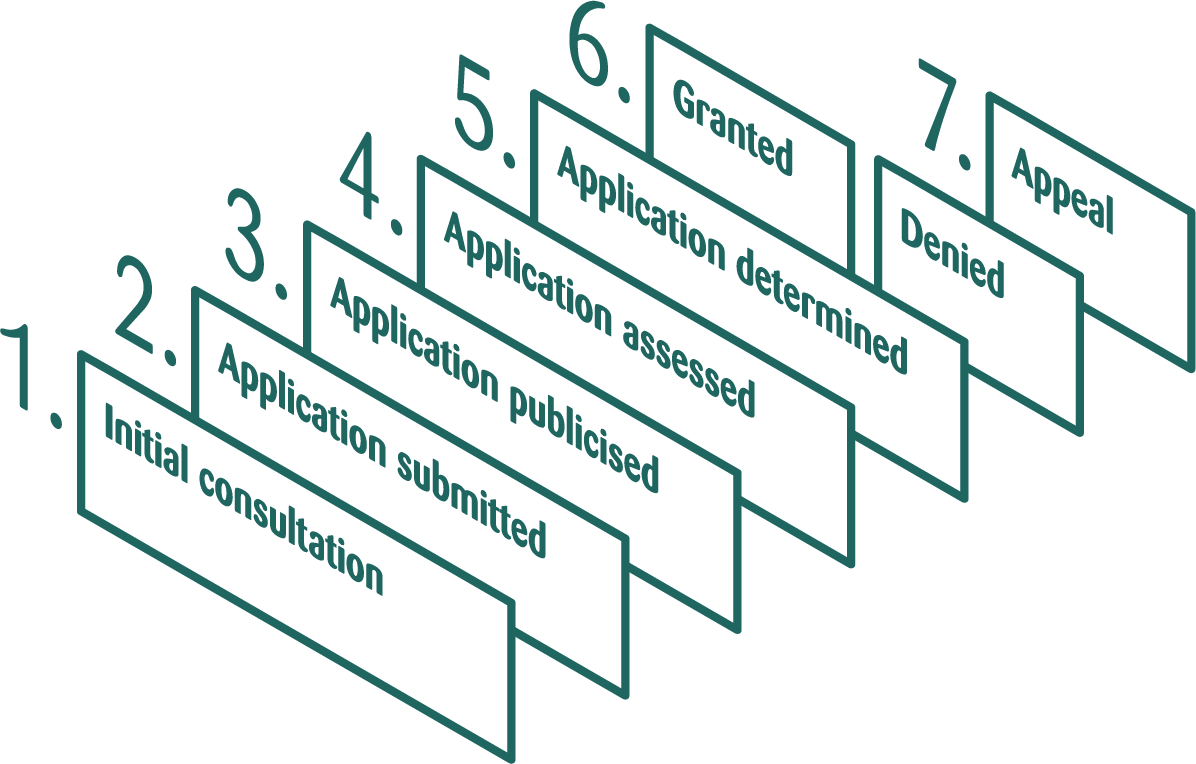
Planning Appeal Deadlines: Key Timelines to Know
One of the most important factors is that appeals must be submitted within strict deadlines.
In most cases:
- Householder appeals must be submitted within 12 weeks of the decision notice.
- Most other planning appeals must be submitted within 6 months of the decision notice.
- Appeals against non-determination must be submitted within a set period after the council’s decision deadline passes (often within 6 months of that deadline).
Missing the appeal window usually means losing the right to appeal altogether, so it’s important to act quickly after a refusal.

Considering the “New” Appeal Process, (and Why Early Preparation Matters)
The planning appeals process has been evolving, with an increasing emphasis on submitting complete, robust documentation from the outset. In practice, this means applicants need to think early about how a proposal may be defended if it goes to appeal.
Even if an appeal isn’t the intended route, submitting a well-supported application (with clear justification, policy assessment, and appropriate technical reports) can strengthen your position significantly later on.
This is becoming particularly relevant as the system increasingly focuses on efficiency and reducing delays caused by missing information.
We’ll be covering the updated appeals process in more detail in a separate post!
Can You Both Appeal and Submit a New Application?
In some cases, yes. Applicants sometimes submit an appeal while also preparing a revised application, particularly if time is tight or there is uncertainty around the council’s willingness to approve amendments.
However, this should be handled carefully, as pursuing two parallel routes can increase professional fees and may complicate strategy. The best approach depends on the specific site, planning history, and refusal reasons.
Final Thoughts: Choosing the Right Strategy After a Refusal
As a general rule:
- Appeal if the scheme is sound, policy-compliant, and the refusal appears unjustified.
- Resubmit if revisions or additional supporting evidence can realistically resolve the council’s concerns.
Either way, the best outcomes usually come from taking a step back, reviewing the refusal reasons objectively, and building a clear strategy before proceeding.
Get in touch!
If you’ve recently received a planning refusal and would like advice on whether an appeal or resubmission is the best route, we can help assess the decision and outline the most effective next steps.

How to get in touch…
Having a consultant involved in your project, is a great way to reduce the risk of errors and it can drastically speed up the timeline for achieving planning permission.
If you think you need support with your project, we’d be happy to help.
You can contact us directly via the details below, or if you would prefer, you can fill in the form below and one of the team will be in touch.
T: 01908 592580 E: info@warnerplanning.co.uk
Recent Posts
Roald Dahl Day!
Planning is at the forefront of increasing population growth with placemaking and place-shaping through strategic planning decisions which must carefully balance existing and future needs and resources.
Back British Farming – A spotlight on Agricultural Planning Applications
At a time when the difficulties facing British Farming are very much in the spotlight, here at Warner Planning we help farmers and landowners navigate a range of rural planning opportunities, such as new or replacement agricultural buildings, farm diversification, barn conversions, renewable energy and rural tourism.
Can I apply for Retrospective Planning Permission?
A retrospective application can provide an option where work has already been carried out because the planning requirements were misunderstood or overlooked.