Can I apply for Retrospective Planning Permission?
A retrospective application can provide an option where work has already been carried out because the planning requirements were misunderstood or overlooked.


These rights cover a wide range of works including building operations, extensions, demolition and certain changes of use and they can apply to both residential and non-residential properties.
How do I know whether my project qualifies as Permitted Development?
We often receive this question from our clients, and the answer depends on a number of factors, including the size and location of your project, as well as its overall appearance.
Within Permitted Development Rights there are still certain standards and criteria that need to be met such as the size, location and appearance of your project; as well as additional restrictions on Permitted Development in certain ‘designated areas’ such as Conservation Areas and Areas of Outstanding Natural Beauty.
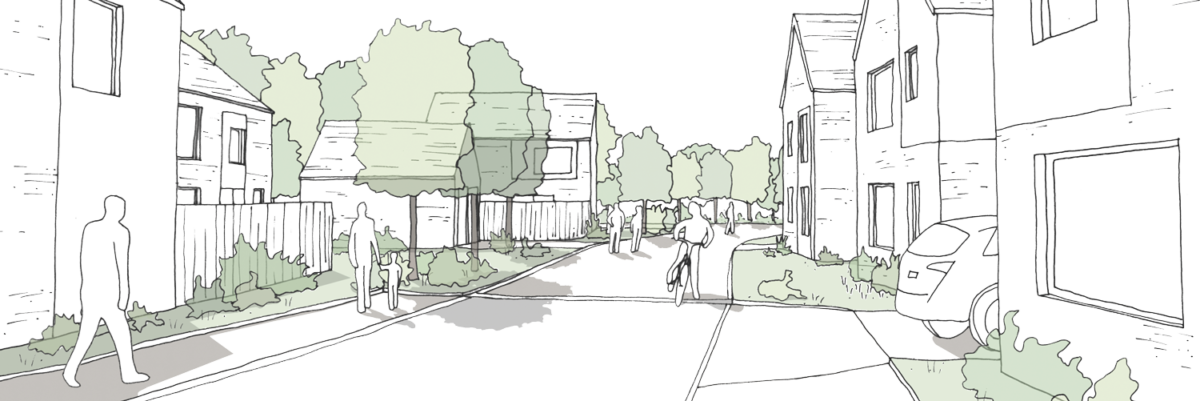
We can help you gain a clearer understanding of which Permitted Development Rights may apply to your project, what is likely to be accepted under Permitted Development, or whether a prior approval certificate is required.
Having a consultant involved in your project, is a great way to reduce the risk of errors and it can drastically speed up the timeline for achieving planning permission.
If you think you need support with your project, we’d be happy to help.
You can contact us directly via the details below, or if you would prefer, you can fill in the form below and one of the team will be in touch.
A retrospective application can provide an option where work has already been carried out because the planning requirements were misunderstood or overlooked.
A long standing planning myth is that once an area is designated as Green Belt, that it cannot then be developed and whilst there may be more restrictions on what can be done, there are still opportunities for certain sites in the Green Belt.
Planning applications might not be the first thing you relate to schools, but they are strongly linked, particularly with residential development where families with children might be moving into a new area. As part of the planning process developers and applicants are often required to make financial contributions towards various services, infrastructure and facilities.