

Do I Need Planning Permission for a Garden Office?

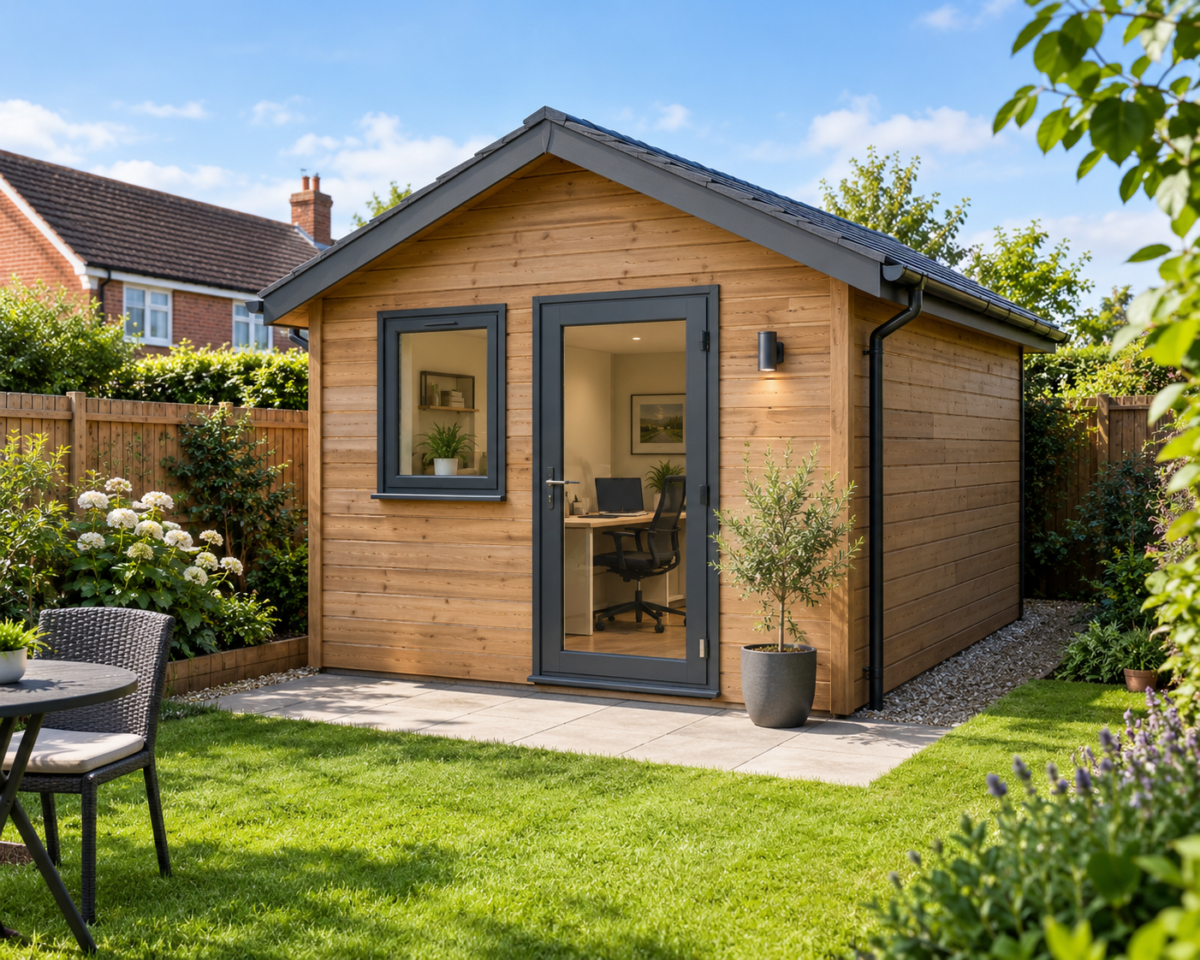
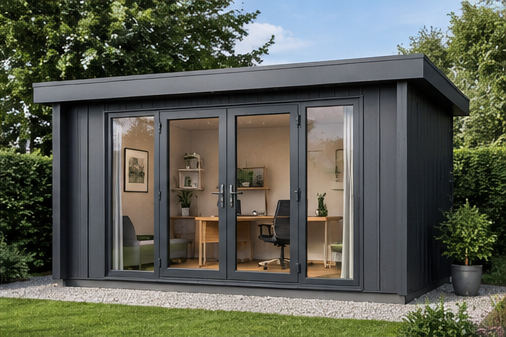
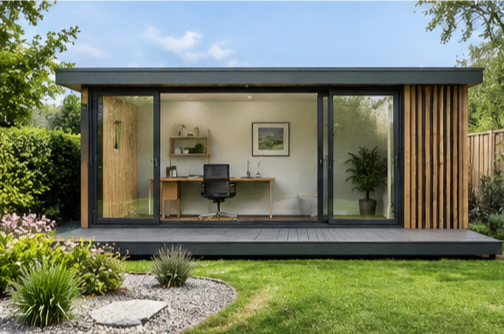
With more people working from home, garden offices have become an increasingly popular way of creating dedicated workspace without extending the main house.

If you are considering installing a garden office, there are two separate planning considerations: whether the building requires planning permission and whether the way you use it would result in a material change of use.

So does a garden office require planning permision?

A garden office can often be constructed under permitted development rights, meaning a planning application may not be necessary.

Under Class E of Part 1 of Schedule 2 of the Town and Country Planning (General Permitted Development) (England) Order 2015, certain buildings within the garden of a dwellinghouse are permitted where they are required for a purpose “incidental to the enjoyment of the dwellinghouse”. This can include a garden office used by the occupiers.

However, restrictions apply. The building must generally:

  • Be single storey;
  • Not be located forward of the principal elevation of the original dwellinghouse;
  • Not result in more than 50% of the garden or curtilage being covered by buildings and other relevant structures;
  • Have eaves no higher than 2.5 metres;
  • Not exceed 2.5 metres in height where it is within 2 metres of a boundary; and
  • Not exceed 4 metres in height where it has a dual-pitched roof, subject to the other applicable restrictions.

Additional restrictions can apply to listed buildings and properties within designated areas.

Can you work from a garden office?

Working from home does not automatically require planning permission. The key consideration is whether the use results in a material change of use of the dwelling.

For example, someone working from a laptop in a garden office, with no customers visiting and no significant additional traffic or disturbance, is unlikely to create a material change of use simply because they work there.

However, the position can be different where the business has a noticeable impact on the residential character of the property.

When might planning permission be required?

Planning permission may be required where use of the garden office results in a material change of use, for example where there is:

  • A significant increase in traffic or visitors;
  • Regular customers or clients attending;
  • Employees working from the property;
  • Significant noise, smells or other disturbance;
  • Unusual business activities; or
  • The property is no longer used mainly as a private residence.

A garden office used quietly by one person to work remotely is therefore very different from one being used as business premises with employees and clients visiting throughout the day.

It is also important to remember that permitted development rights for outbuildings relate to uses incidental to the enjoyment of the dwellinghouse. They do not generally permit an outbuilding to become a separate commercial premises or dwelling.

What about a garden office with a toilet or kitchen?

Adding a toilet, kitchenette or heating does not automatically mean planning permission is required. However, the more a garden building resembles independent living accommodation, the greater the planning risk.

An outbuilding should not be used as a separate self-contained dwelling under the normal permitted development rights. If the intention is to create an independent annexe or accommodation, a separate planning assessment will be required.

Do you need Building Regulations approval for a garden office?

Even where planning permission is not required, building regulations may still apply, depending on the size, construction and intended use.

The Planning Portal notes that building regulations will not normally apply to small, detached buildings of less than 15 square metres where there is no sleeping accommodation, although the position can vary depending on the circumstances.

What if permitted development rights have been removed?

Restrictions can arise through:

  • An Article 4 Direction;
  • A condition attached to a previous planning permission;
  • The property being listed;
  • The property being within a designated area; or
  • Other planning restrictions affecting the dwelling.

It is therefore sensible to check the planning history and any restrictions affecting the property before proceeding.

Where permitted development rights have been removed or do not apply, planning permission or another appropriate form of planning consent may be required.

Should you apply for a Lawful Development Certificate?

If you believe the garden office and its proposed use fall within permitted development rights but want certainty before starting work, you could consider applying for a Lawful Development Certificate (LDC).

An LDC is not planning permission, but provides formal confirmation that the proposed development is considered lawful for planning purposes. This can be particularly useful where you are making a significant investment in a garden office.

Summary

In many cases, you can work from a garden office without planning permission.

A garden office may benefit from permitted development rights, and working from home does not automatically constitute a material change of use.

However, two questions need to be considered:

  1. Does the garden office benefit from permitted development rights?
  2. Will the proposed use remain incidental to the residential use, or could it amount to a material change of use?

For a typical home worker using a garden office quietly, with no significant visitors, traffic or disturbance, planning permission may not be required.

However, more intensive uses involving customers, employees or significant activity may require further planning assessment.

How to get in touch…

Having a consultant involved in your project, is a great way to reduce the risk of errors and it can drastically speed up the timeline for achieving planning permission.

If you think you need support with your project, we’d be happy to help.

You can contact us directly via the details below, or if you would prefer, you can fill in the form below and one of the team will be in touch.

T: 01908 592580
E: info@warnerplanning.co.uk

Recent Posts

Houses in Multiple Occupation (HMO)

With house prices rising and the ongoing challenge of building enough homes to meet demand there are many people seeking alternative ways to live independently without having to fund a mortgage or rent for an entire property. It can also be a great way to make friends and socialise if you are moving to a new area for work or studying.

How long does planning really take?

It’s one of the first questions clients ask us, and the answer is rarely as simple as 8 weeks, which we know isn’t the answer that you want to hear!