International Women’s Day 2026
Women in Planning: Shaping Places, Shaping Futures


Sustainable Development in Planning: Moving Beyond Policy Compliance
What does “Sustainable Development” mean in practice?
In practical terms, sustainable development typically involves:
Importantly, sustainability is not limited to environmental performance alone. A well-designed home within an established settlement that supports local services and contributes to housing supply can represent sustainable development just as much as a low-carbon building in isolation.
The Role of Design
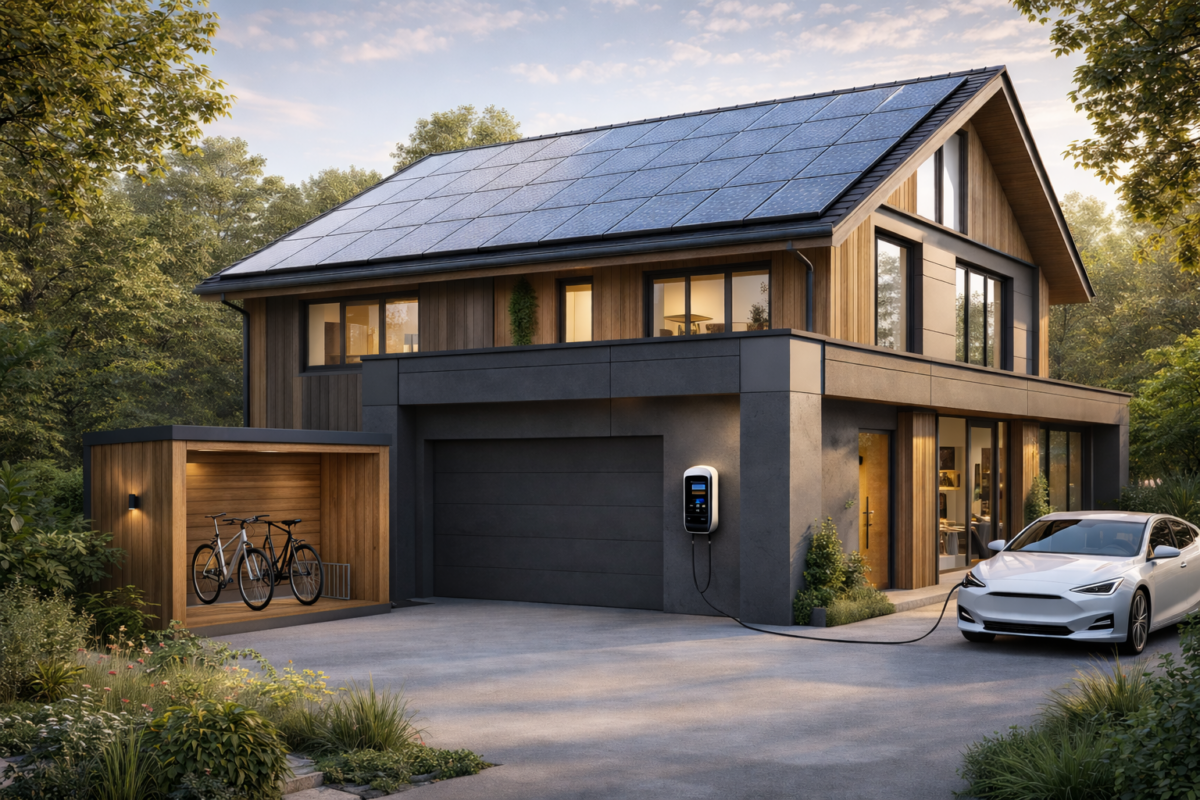
Good design is central to sustainability. Schemes that respect local character, respond to landscape features, and integrate natural assets are more likely to gain support from decision-makers and communities alike.
Sustainable design now extends beyond materials and insulation standards. It encompasses orientation, passive solar gain, natural surveillance, walkability, landscaping, drainage strategies, and biodiversity net gain. Increasingly, planning authorities expect a holistic approach that demonstrates how each element works together.
Biodiversity Net Gain
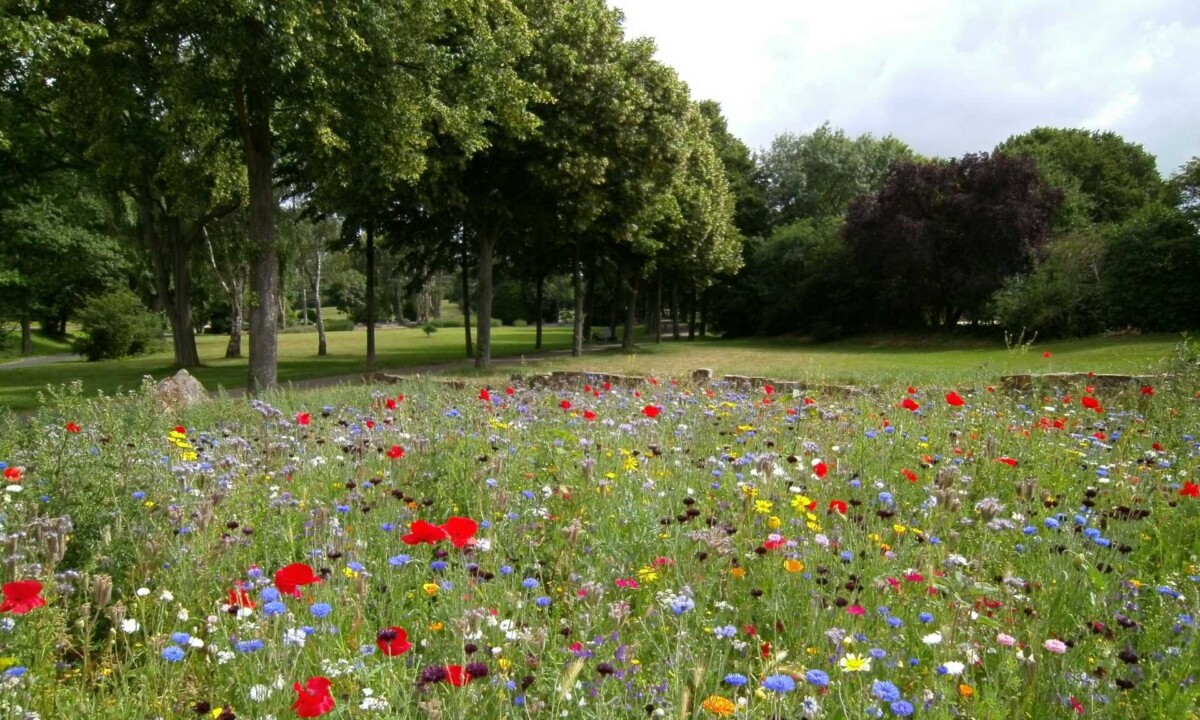
With the introduction of mandatory Biodiversity Net Gain, sustainability has become more measurable. Developments must now leave the natural environment in a measurably better state than before. This shift represents a significant evolution in planning policy, embedding environmental enhancement into the development process rather than treating it as mitigation alone.
Thoughtful landscaping, habitat creation, sustainable drainage systems (SuDS), and tree retention are now core components of a robust planning strategy.
Deliverability and Longevity
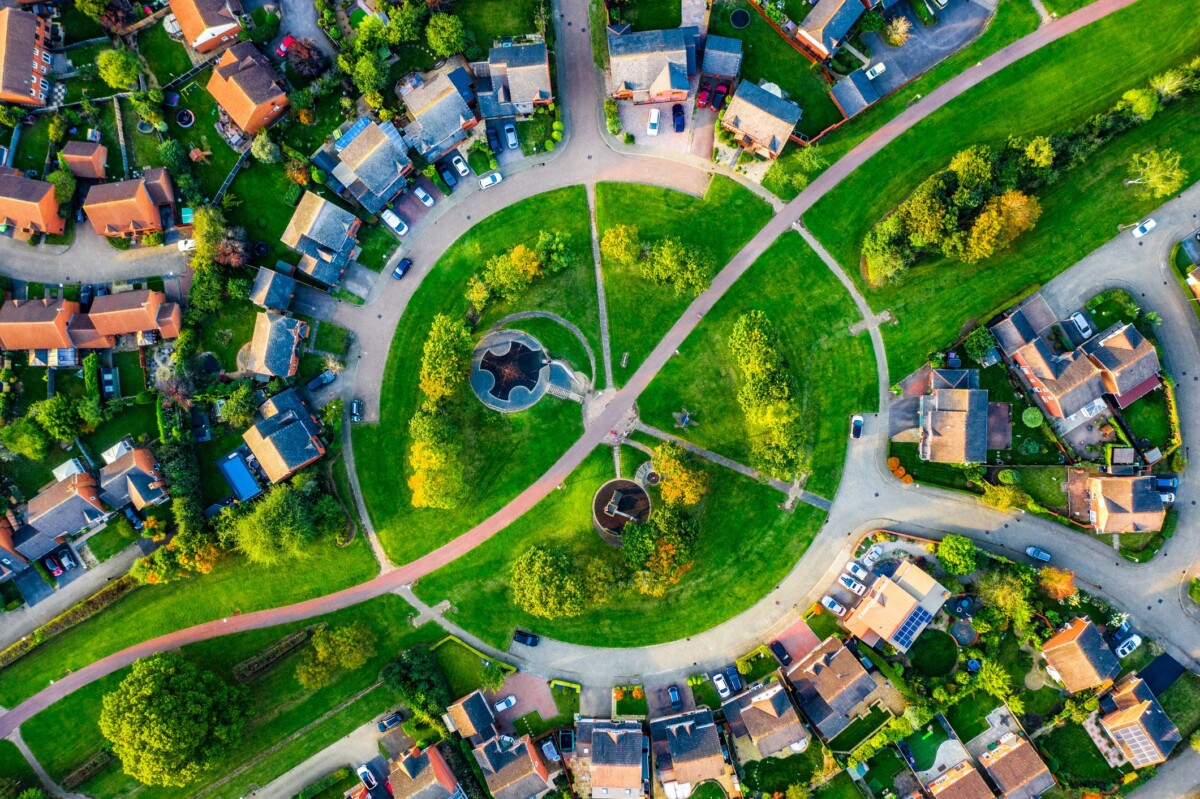
True sustainability also considers longevity. Buildings should be adaptable, energy-efficient, and resilient to climate change. Schemes that rely on unsustainable infrastructure or create long-term maintenance burdens are unlikely to meet the broader sustainability test.
Planning is increasingly forward-looking, assessing not only whether development is acceptable today, but whether it will continue to perform well decades into the future.
Our Approach
At Warner Planning, we approach sustainable development as a strategic process rather than a checklist exercise. Early appraisal of policy context, environmental constraints, and design opportunities allows us to shape proposals that are robust, defensible, and aligned with national and local objectives as part of the planning balance.
We work collaboratively with architects and expert sub-consultants to ensure that sustainability is embedded from the outset. This proactive approach reduces risk, strengthens applications, and supports positive engagement with planning authorities.
Final Thoughts
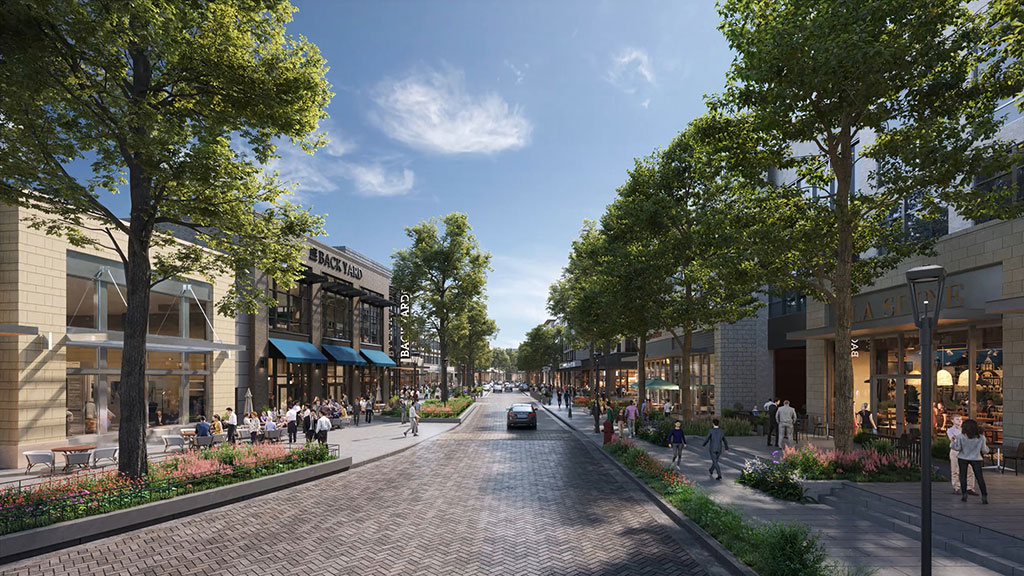
Sustainable development is not about doing the minimum to satisfy policy, it is about creating places that work. When schemes are thoughtfully designed, appropriately located, and environmentally responsible, they are more likely to secure permission and deliver long-term value.
If you are considering a development project and would like advice on how sustainability considerations may influence your planning strategy, we would be pleased to discuss your proposals.
Having a consultant involved in your project, is a great way to reduce the risk of errors and it can drastically speed up the timeline for achieving planning permission.
If you think you need support with your project, we’d be happy to help.
You can contact us directly via the details below, or if you would prefer, you can fill in the form below and one of the team will be in touch.
Women in Planning: Shaping Places, Shaping Futures
Testimonials from some of our clients
Having a Planning Consultant involved in your appeal gives you a much higher chance of success. Warner Planning have the knowledge, experience and ethos to assess if you have grounds for an appeal and provide your case with the best possible prospects.