
Categories
Residential

Semi-Detached Houses Romford, Essex

Case Studies

Project Overview

A successful Planning Application following a previous refusal for the demolition of existing garage on land adjacent to the existing property and subdivision of plot to facilitate the erection of 2 x 3 Bedroom Semi-Detached dwellings with proposed dropped kerb, associated parking and amenity space

Sector:
Residential

Location:

Romford, Essex

Local Authority:

London Borough of Havering

Following a previous refusal on this site in Romford, Warner Planning submitted a new application to the London Borough of Havering addressing the previous reasons for refusal and positively engaged with the Council throughout the application process, ensuring all the submitted plans and documents were acceptable and policy compliant.

An Arboricultural Impact Assessment was submitted which demonstrated that the mature trees on the site would be retained and any trees that would be lost as a result of the development are lower values trees and this was deemed acceptable, providing replacement trees can be provided on a 1 for 1 basis.

Both the internal layout and external appearance of the proposed dwellings were redesigned to further address the previous reasons for refusal. This increased the size of the bedrooms to meet the local policy space standards and proposed a scale and form of dwellings that were not considered by officers to be detrimental to the street scene.

The final reason for the previous refusal was addressed by working closely with the architect who provided visibility splays from the proposed dropped kerb demonstrating that the scheme would not be harmful to highways or pedestrian safety.

The proposed development was considered to be acceptable by the planning officer and was granted planning permission subject to conditions.


Image Credit: Illustrate Architects

Categories
Case Study Residential

5-Bed Dwelling, Buckinghamshire

Case Studies

Project Overview

Sector:
Residential

Location:
Buckinghamshire

Local Authority:
Buckinghamshire

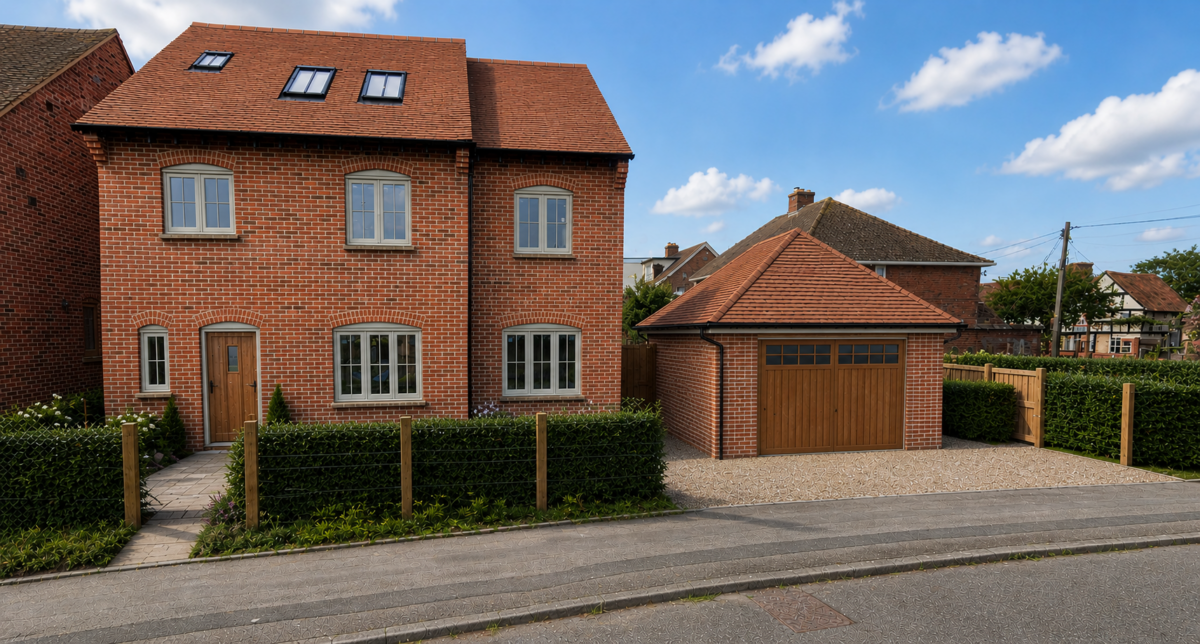
Warner Planning successfully secured planning permission for a 5-bedroom dwelling, associated garages and access in Buckinghamshire

This site in Buckinghamshire had permission granted back in 2010 for two detached dwellings and a garage, of which one of the dwellings is now occupied and the second is constructed to a water tight stage but unable to be completed or occupied due to lapsed permissions.

Part retrospective permission was now sought for the existing unoccupied dwelling, detached garages and access reflecting the previously approved plans in order to lawfully confirm the implementation of the existing dwelling and the access arrangements as well as reaffirming the previous permissions for a single and double garage which haven’t yet been formally implemented. Additional landscaping and boundary treatments were also included in the updated application. The plans would also result in a physical tidying of the site which is currently a builders yard with unsightly pre-fabricated structures.

The Case Officer deemed the principle of development to be acceptable with significant weight given to the council’s absence of a five year housing land supply.

No concerns were raised in terms of sustainability, highways, parking, design, amenity, drainage, ecology or landscaping and it was considered that any adverse impacts of the proposal would not significantly and demonstrably outweigh the benefits and it was therefore recommended for approval.

AI CGIs For illustrative purposes only

Categories
Case Study Residential

Rear Extension Hertfordshire

Case Studies

Project Overview

Sector:
Residential

Location:
Hertfordshire

Local Authority:
St Albans City and District Council

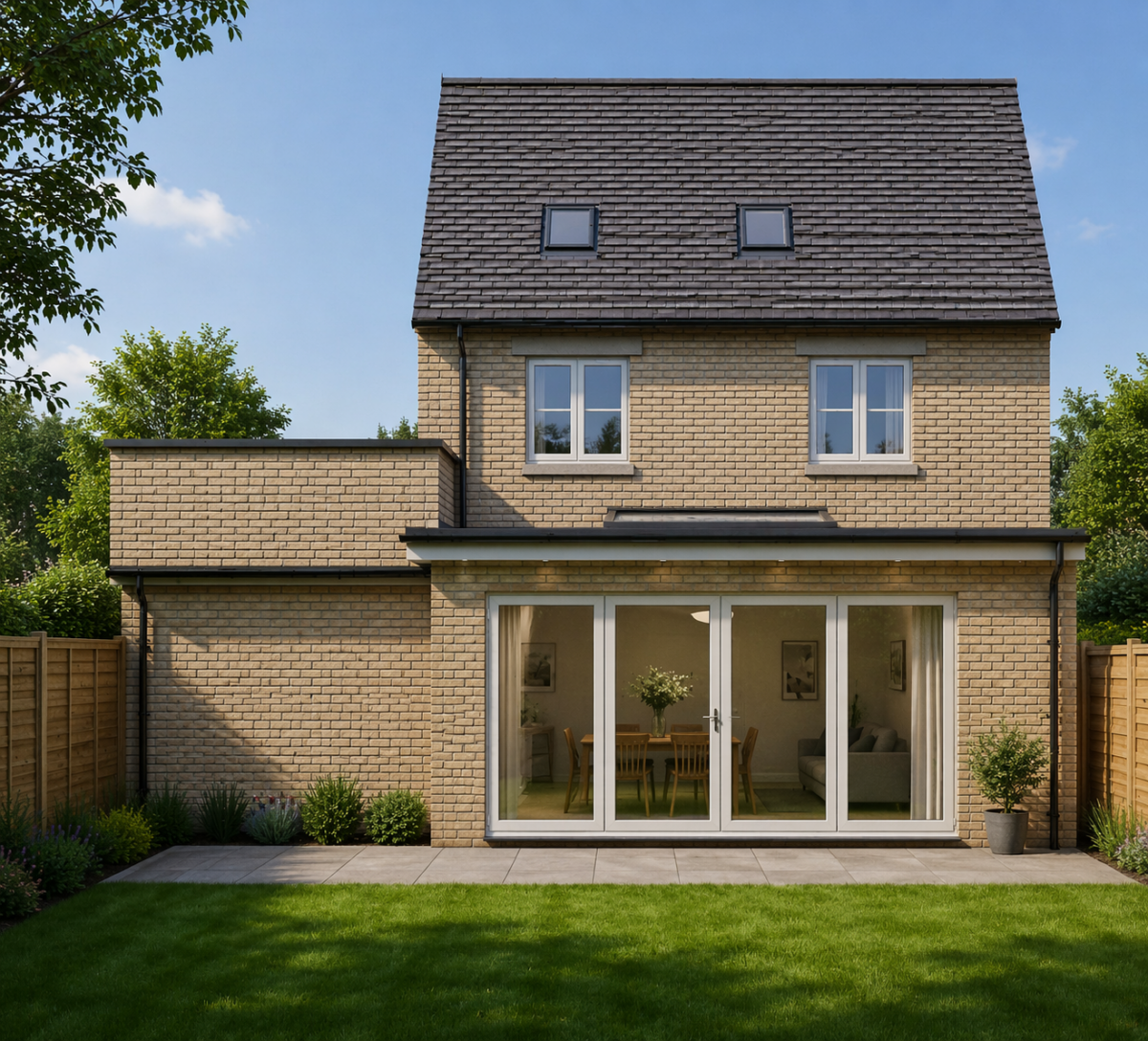
Warner Planning successfully secured planning permission for a single-storey rear extension to a detached home located within the Hertfordshire Green Belt.

A full planning application was submitted to St Albans City and District Council for a sensitively designed rear extension. The proposal was carefully assessed against local and national planning policy and was found to constitute appropriate development within the Green Belt. It preserved the character of the host property and surrounding area and raised no concerns in relation to neighbouring amenity.

The application was approved under delegated powers by the Case Officer. Warner Planning later obtained approval for a Variation of Conditions, allowing amendments to the permitted scheme, including the introduction of a rooflight and a reduced rear projection.

AI CGIs For illustrative purposes only

Architect: Ian Barnett


Categories
Case Study Residential

Chalet Bungalow, Essex

Case Studies

Application Type:
Full

Sector:
Residential

Location:
Essex

Project Overview

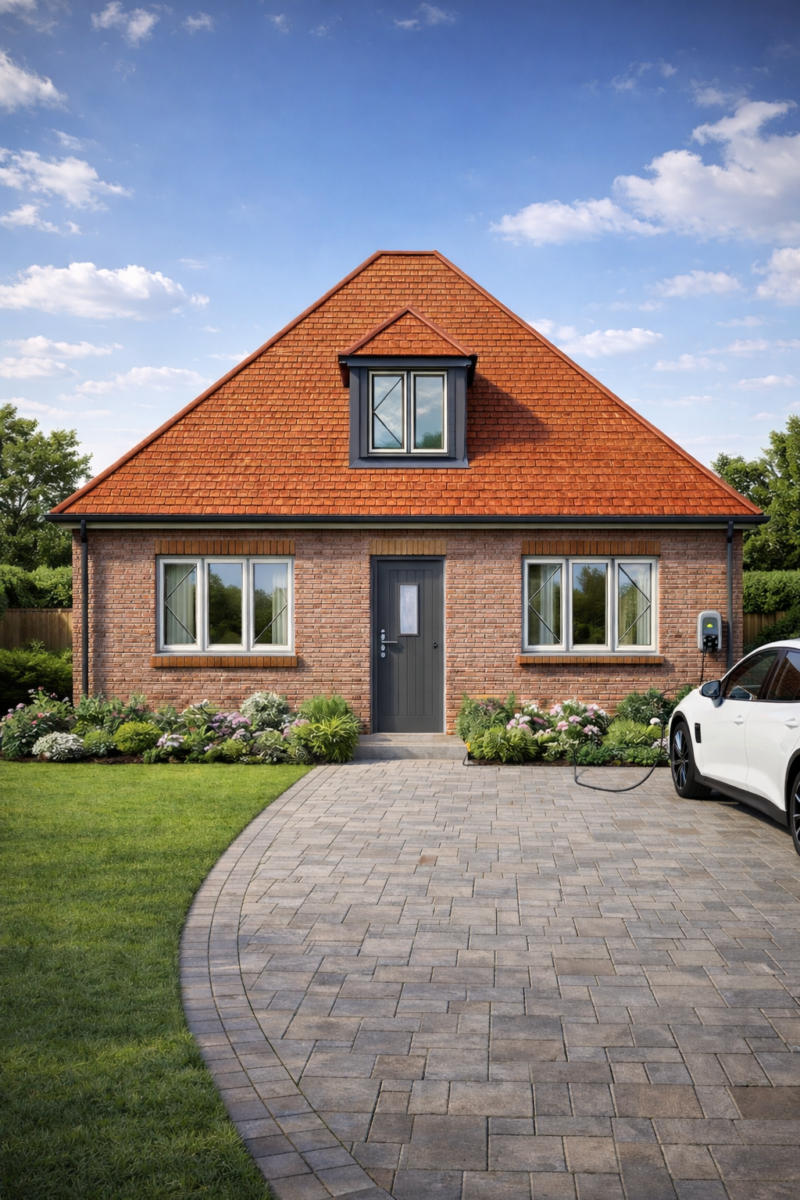
A successful planning application for the erection of a 3-bed chalet bungalow with associated vehicle parking, cycle and bin storage, EV charging and landscaping.

Following previous refusals on the site, Warner Planning and the project team positively engaged with the Council on how to overcome the previous reasons for refusal, in particular regarding comments from the Council’s Conservation Officer, and subsequently submitted a revised application for the erection of a 3-bedroom chalet bungalow on this previously developed vacant site in Essex.

The site lies within a Special Area for Conservation and a wider Conservation Area as well as being adjacent a locally listed Church. The submitted plans for a chalet style bungalow were the result of many evolutions to the scheme to meet the requirements of the Conservation Officer and the final proposed scheme was less prominent and more sympathetic to the street scene in the context of the locally listed building than originally proposed.

The materials proposed for the new dwelling were also selected carefully to be sensitive to the Conservation Area and the local area.

The updated plans were considered to have satisfactorily addressed the previous reasons for refusal in relation to the Design, Character and Appearance of the Conservation Area and the proposal was deemed to be local policy compliant.

The application was approved subject to conditions and an S106 agreement.

AI CGI for illustrative purposes only

Architect: CMI Architects 

Categories
Case Study Residential

Grey Belt Site, Essex

Case Studies

Project Overview

Sector:
Residential 

Location:
Essex

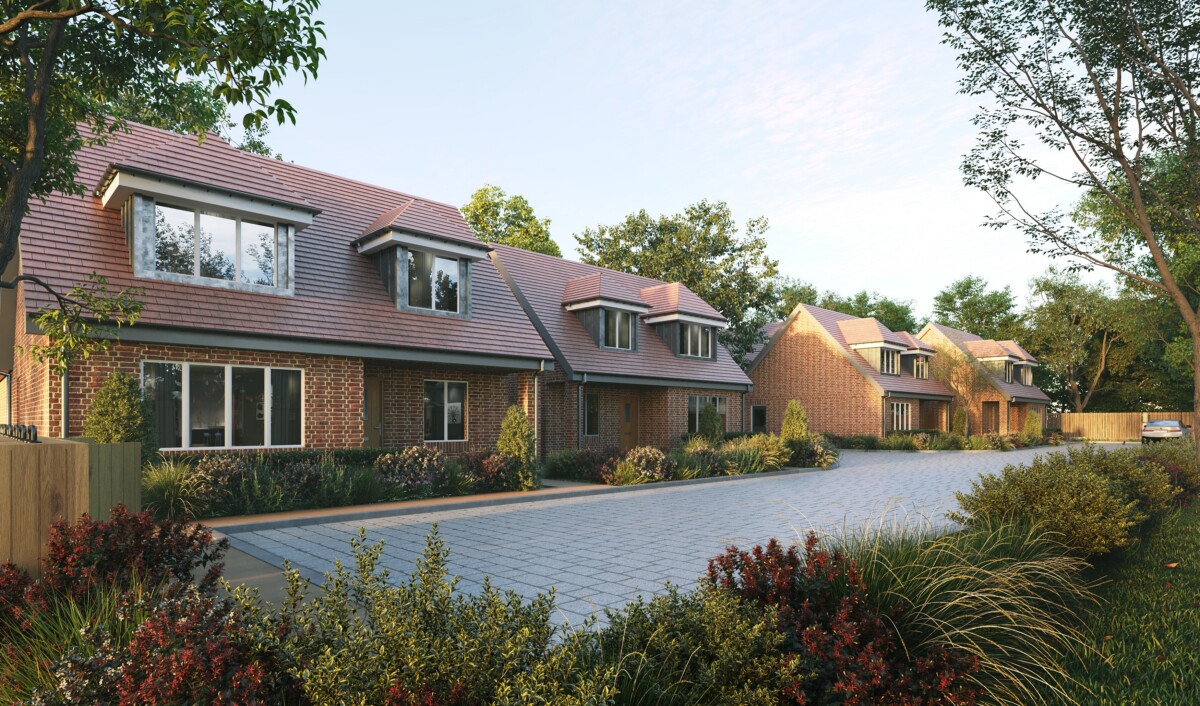
A successful planning application for the construction of 4 detached chalet style family homes with associated access, parking and landscaping.

Warner Planning submitted a Planning Application for the development of four family homes on an infill site located in Essex.

The site, a former paddock, adjacent to a farmhouse dwelling, is well positioned between the farmhouse and another  dwelling to the west.

Each of the proposed new dwellings will feature two parking spaces, electric vehicle charging points, and private rear gardens.

Initial discussions with the Council regarding the proposals were not wholly favourable due to its Green Belt location, however after the introduction of the concept of grey belt and the Golden Rules in the NPPF 2024, this site was then reassessed and found not to make a strong contribution to Green Belt purposes. Consequently, the proposal was for the development of identified grey belt land, constituting appropriate development within the Green Belt.

The Council’s Heritage Officer concluded that the proposed development would not adversely affect the setting of a nearby Grade II listed farmhouse, given the separation distance and the presence of two intervening properties.

The application was recommended for approval by the Case Officer, and planning permission was subsequently granted, subject to standard conditions.

AI CGIs For illustrative purposes only

Architect: Arch Two Ltd

Categories
Appeal Case Study

Little House, Dedham

Case Studies

Application Type:
Appeal

Sector:
Residential

Location:
Dedham

Local Authority:
Colchester City Council

Project Overview

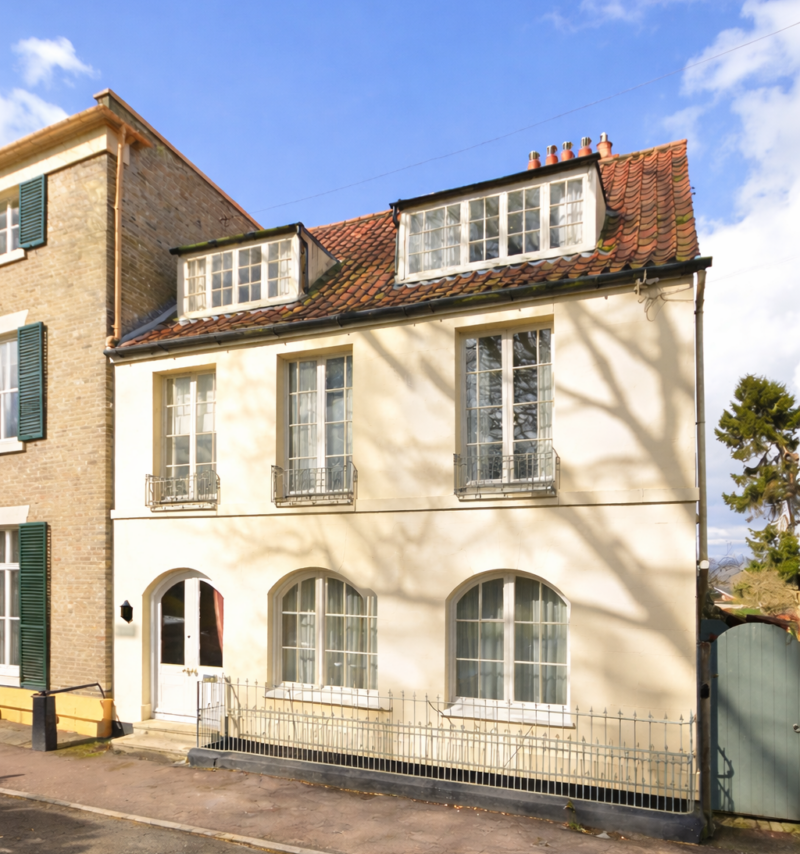
Warner Planning successfully appealed against a refusal for the replacement of the existing dormer windows, replacement roof tiles, re-rendering and other associated works on this Grade II listed property in Essex

Following a Pre-Application, Warner Planning submitted a full planning application and Listed Building Consent to Colchester City Council for external improvement works to this Grade II listed property situated within a conservation area in Essex.

Notwithstanding significant changes made to the plans in response to the received Pre-Application advice, the full application was refused by the Local Planning Authority on the grounds that the “proposed replacement dormers, by virtue of their design and massing, would have a harmful impact on the significance of the listed host dwelling and the setting of other nearby listed buildings”.

Warner Planning subsequently submitted an Appeal on behalf of our client to the Planning Inspectorate, reasoning that the existing dormers are in a state of disrepair and replacements for these as well as the other necessary external improvements works to the building are required in order to retain and enhance the historical importance of the property. The proposed replacement dormers are high quality, appropriately designed and proportionate to the existing building. They enhance the heritage asset’s architectural integrity, significance and maintain functionality as a family dwelling.

The inspector agreed with the argument put forward by Warner Planning in setting out within their report that the loss of the existing dormers would not be unacceptable, and that the scale of the replacement dormers would not be visually heavy or overbearing against the building. In fact, they would be more sympathetically detailed than the existing features and the alignment with the windows below would better respect and complement the elegant composition of the elevations.

It was concluded that the proposals would preserve the special interest and significance of the Grade II listed building, The Little House, and the character, appearance and significance of the Conservation Area and the appeal was allowed.

Architect: MEW Architects

CGI for illustrative purposes only 

Categories
Case Study Mixed Use

Home Farm DOC, Aldenham Estate

Case Studies

Application Type:
Discharge of Conditions

Sector:
Leisure, Commercial, Business

Location:
Elstree, Hertfordshire

Local Authority:
Hertsmere Borough Council

Project Overview

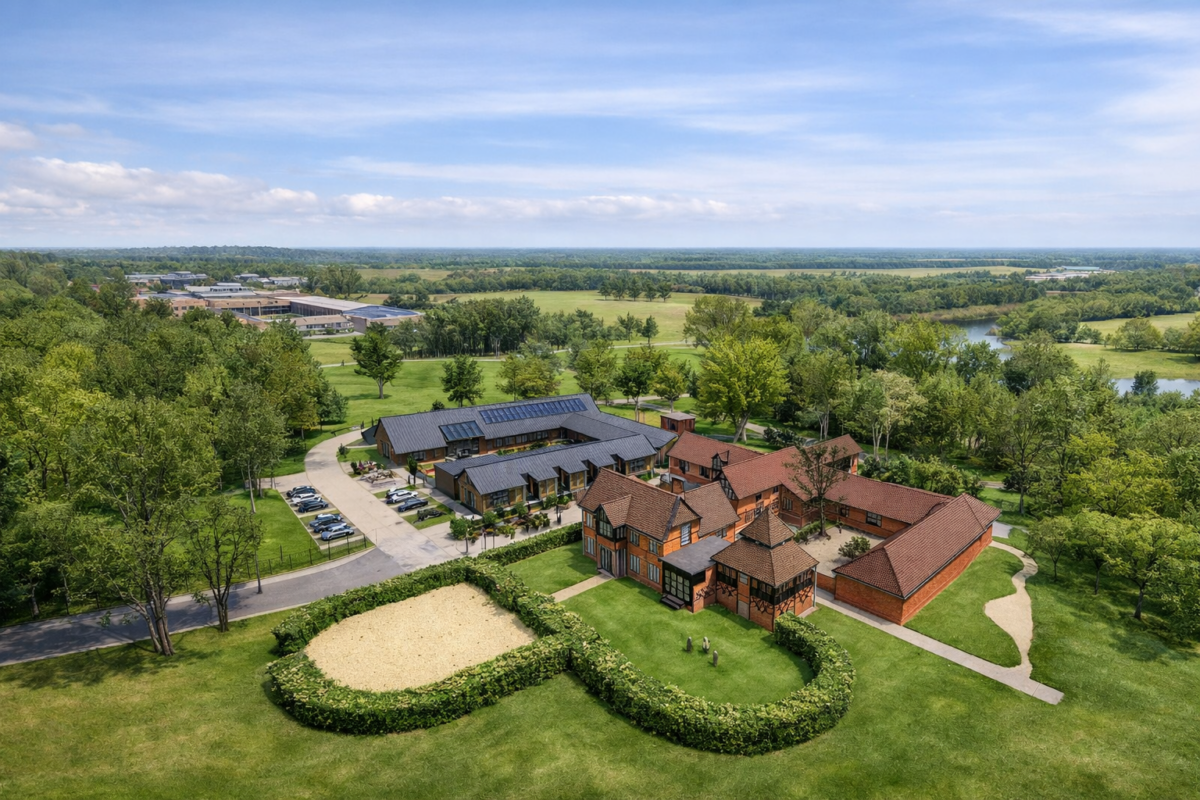
Warner Planning successfully obtained full planning permission for this former farmstead in rural Hertfordshire, to demolish some of the existing buildings on site and erect a new office hub as well as extending and altering an exiting building to convert it into an office space, café and function room.

The granted permission was subject to conditions for which Warner Planning has been appointed again to submit to the Council for discharging. The first of which are pre-commencement conditions for BNG and Drainage.

Architect: Thomas Croft Architects

Categories
Case Study Change of Use Residential

Rosary Manor Chapel, Barnet

Case Studies

Project Overview

Sector:
Residential 

Location:
London

Local Authority:
London Borough of Barnet

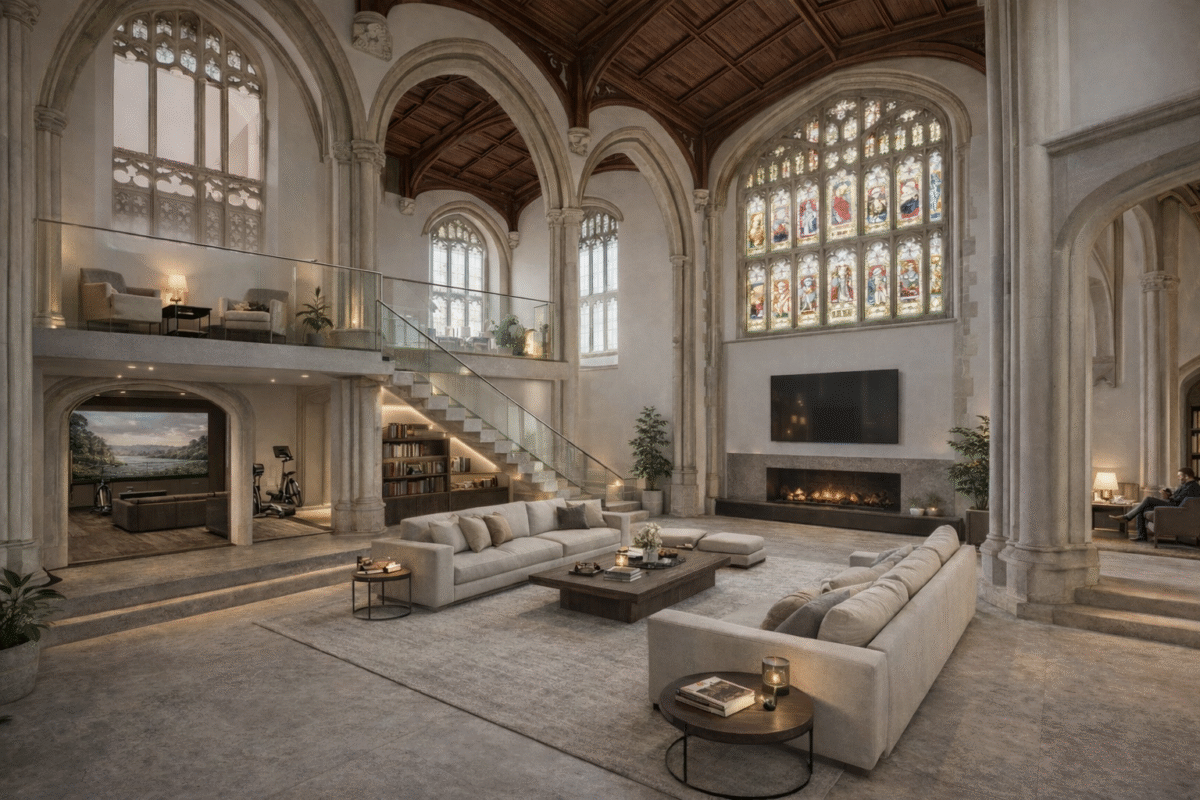
A Listed Building Consent application was submitted for internal works to this Listed Building, including removal of walls to facilitate conversion into residential use, including; Insulation upgrades; Internal secondary glazing; Alterations to a mezzanine floor and alterations to the balustrade treatment.

Rosary Manor is a Grade II listed former convent building in Barnet, the site also includes a former chapel and a lodge. The former convent has already been converted into 11 luxury apartments and as part of the wider development of the site, planning permission was sought for internal and external alterations to facilitate the change of use of the Grade II listed chapel into a residential dwelling.

Warner Planning and the project team initially engaged with the London Borough of Barnet Council though the Pre-Application process to discuss the proposed works which included insulation upgrades, internal secondary glazing, alterations to a mezzanine floor and alterations to the balustrade treatment.

Officers noted no objection in principle to the proposals and welcomed the project to secure a long-term future for the building. The Council advised that a Listed Building application would be required to secure the permissions.

Subsequently, Warner Planning submitted a Listed Building Consent application to The London Borough of Barnet Council. Following on from comments received by the Councils Heritage Officer, the proposals were amended including the decision not to use secondary glazing on the main large stained-glass window in the centre of the building. Specialist heritage Architects were appointed to deal with the technical information being sought to support the application in the context of this unique historic building.

Overall, Heritage officers considered the revised scheme as a whole to be acceptable and that it would preserve the character, appearance and significance of this heritage asset, whilst still allowing it to evolve into a residential use as previously consented.

Following helpful discussions with the Council, Officers deemed the proposals to be acceptable, and the application was approved subject to conditions.

CGI For Illustrative Purposes Only

Architect: James Clague Architects

Photo: Google

Categories
Case Study Change of Use Residential

Hartlebury Manor Stables

Case Studies

Sector:
Residential

Location:
Kidderminster

Local Authority:
Wychavon District Council

Project Overview

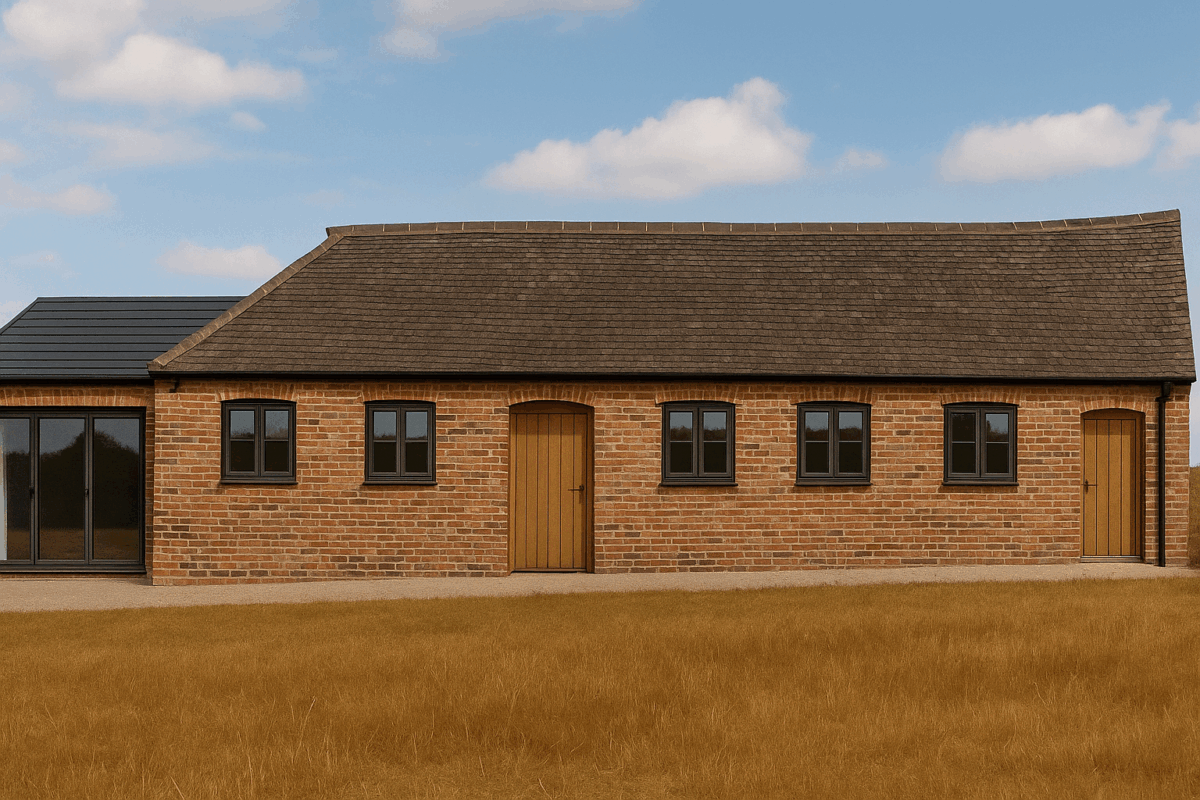
A planning application submitted for the conversion of barns to form three residential dwellings with associated outbuildings, parking and landscaping.

Warner Planning submitted a planning application to Wychavon District Council in Worcestershire to convert the existing disused barns on this former riding school situated within the Green Belt into three residential dwellings with associated outbuildings, parking and landscaping.

The principle of the scheme was supported by the Conservation Officer for achieving a beneficial long-term use for the buildings which will keep the historic assets in good condition for future generations.

While the site is defined as the open countryside, the Council considered that the new dwellings would not be isolated due to the existing dwellings near to the site.

To comply with policy, the site had been marketed with a commercial property agent for at least 12 months prior to the submission of the planning application with little interest, mostly due to the costs involved with bringing the buildings up to the standards required for a modern equestrian centre.

The Council couldn’t demonstrate a 5-year housing land supply, as such the presumption in favour of sustainable development was applied.

The proposal would utilise previously developed land, having been used as an equestrian centre and would not have a greater impact on the openness of the Green Belt than existing development. Therefore, it was concluded that the site can be regarded as grey belt land.

It was considered by the Case Officer that the public benefits from the proposals are positive and that they reflect sustainable development.

The application was approved subject to a S106 agreement and Warner Planning have since been appointed to submit applications for further phases of development on the site.


CGI’s for illustrative purposes only 

Categories
Case Study Change of Use Residential

Barn and Silo – Saunderton Lee

Case Studies

Project Overview

Sector:
Residential

Location:
Buckinghamshire

Local Authority:
Buckinghamshire Council

Permission was achieved for the conversion of an existing commercial barn and silo to create 3 x 4-bed dwellinghouses, soft and hard landscaping and associated works.

Warner Planning submitted a planning application to Buckinghamshire Council for the conversion of a former agricultural barn and silo situated within the Green Belt and create 3 x 4-bed houses.

The project included 9 parking spaces as well as bin and cycle storage.

Plans were amended following consultation comments received from the Highways Officer regarding the access, following this the objection was lifted.

Officers determined that the site was appropriate development in the Green Belt and that it would have no heritage impacts or adverse impact on the Chilterns AONB.

The application was approved subject to conditions.  

Architect : Illustrate Architects

CGI’s for illustrative purposes only